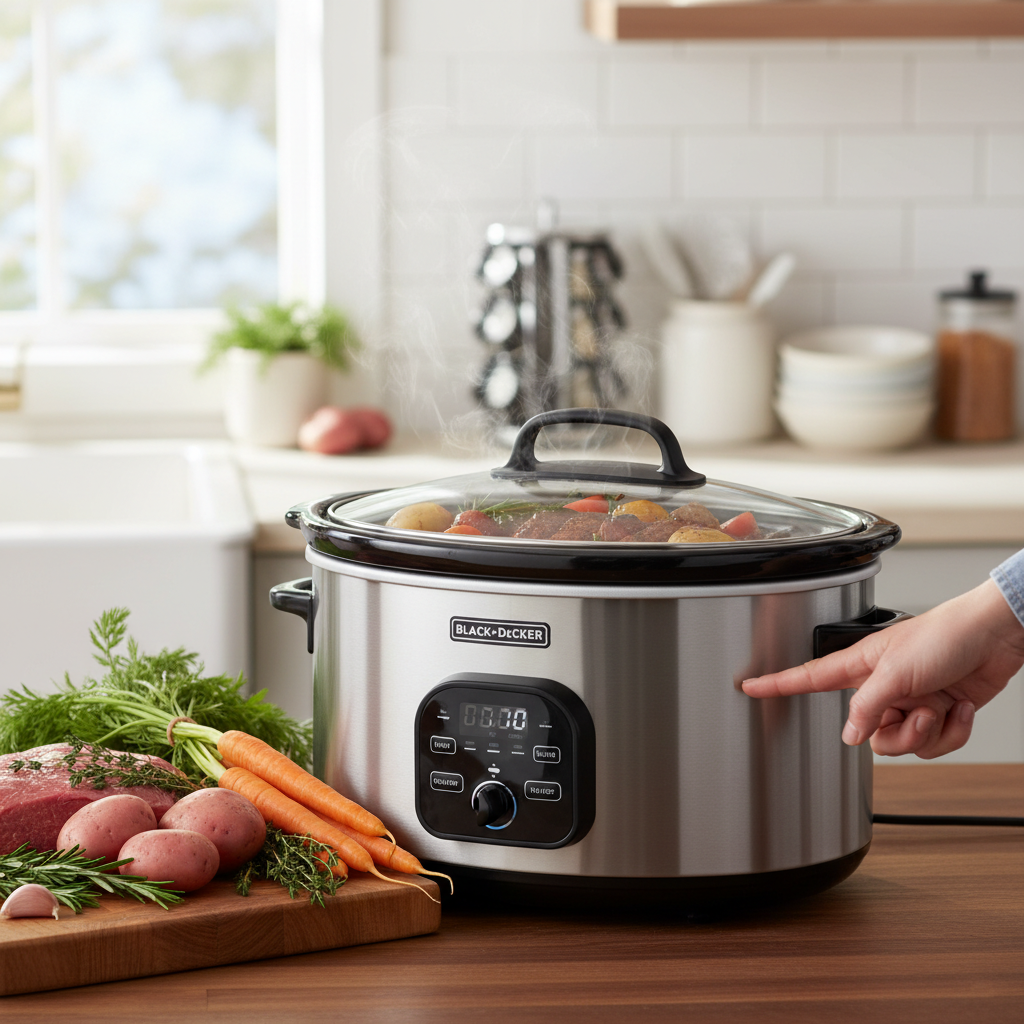
The lingering scent of last night’s chili, garlic-infused stew, or even a forgotten dessert can cling tenaciously to your slow cooker’s seal, turning every subsequent meal into a battle against unwelcome aromas. This isn’t just an annoyance; it actively compromises the taste of your carefully prepared dishes. If you’ve ever opened your cabinet only to be greeted by a pungent ghost of meals past, you know the frustration. Fortunately, with the right approach and a few common household items, you can effectively eliminate these embedded odors and restore your slow cooker’s lid seal to its pristine, neutral state.
Understanding Why Your Slow Cooker Seal Smells
Before tackling the smell, it’s helpful to understand its origins. Your slow cooker’s seal, often made of silicone or rubber, is designed to create a tight barrier, trapping moisture and heat to cook food slowly and efficiently. However, this same porous material can also absorb microscopic food particles and volatile odor molecules during the extended cooking process. Over time, these particles embed deeply into the material’s crevices. Additionally, lingering moisture in the sealing channels can create a breeding ground for odor-causing bacteria if not dried properly, amplifying the problem. This absorption is why simple surface cleaning often fails to eradicate deep-seated smells, making targeted intervention essential.
Essential Cleaning Methods to Banish Odors
Conquering those persistent slow cooker seal odors requires more than a quick wipe. Here are the most effective methods, utilizing common household ingredients, to bring your seal back to neutrality.
The White Vinegar Soak: Your Odor-Fighting Powerhouse
White vinegar is a renowned natural deodorizer and disinfectant, making it ideal for breaking down the stubborn food molecules trapped in your slow cooker seal. This method is often the first line of defense for a reason.
- How to do it:
- Prepare the Solution: Find a basin or sink large enough to fully immerse your slow cooker lid. Fill it with undiluted distilled white vinegar, ensuring there’s at least 3 inches of liquid.
- Add Detergent (Optional but Recommended): For an extra boost, add about 1 tablespoon of mild dish detergent to the vinegar. Swish gently to create some soapy bubbles.
- Soak the Lid: Place the slow cooker lid into the mixture, ensuring the rubber or silicone seal is face down and completely submerged in the solution.
- Wait It Out: Allow the lid to soak for at least one to two hours. For particularly stubborn odors, consider an overnight soak.
- Rinse and Dry: Remove the lid, rinse it thoroughly under cold running water, and pat it dry with a clean towel. The smell should be entirely gone.
|
Our Picks for the Best Slow cooker in 2026
As an Amazon Associate I earn from qualifying purchases.
|
||
| Num | Product | Action |
|---|---|---|
| 1 | Crock-Pot 7-Quart Manual Slow Cooker, Family Size Serves 8+ People or Fits 6-lb Roast, Removable Stoneware with Warming Setting, Dishwasher Safe for Easy Cleanup, Charcoal |

|
| 2 | Crock-pot Express Crock Slow Cooker 8 quart Red |
|
| 3 | Crock-Pot 7 Quart Oval Manual Slow Cooker, Stainless Steel (SCV700-S-BR), Versatile Cookware for Large Families or Entertaining |
|
| 4 | Crock-Pot 6 Quart Cook & Carry Programmable Slow Cooker with Digital Timer Stainless Steel (CPSCVC60LL-S) pack of 1 |
|
| 5 | Instant Pot Duo 7-in-1 Electric Pressure Cooker, Slow Cooker, Rice, Steamer, Sauté, Yogurt Maker, Warmer & Sterilizer, Includes App With Over 800 Recipes, Stainless Steel, 6 Quart |
|
| 6 | Crock-Pot Large 8-Quart Programmable Slow Cooker with Auto Warm Setting Black Stainless Steel |
|
| 7 | Hamilton Beach 6-Quart Slow Cooker with 3 Cooking Settings, Dishwasher-Safe Stoneware Crock & Glass Lid, Silver (33665G) |
|
| 8 | Sweetcrispy 16-in-1 Electric Pressure Cooker 6QT, 12-Preset Multi Cookers with Ceramic Pot, Slow Cook Rice Steamer Sauté Soup Yogurt Maker and More, Recipe Book |
|
| 9 | Ninja® 12-in-1 PossibleCooker™ PLUS | 8.5-qt - Sous Vide & Proof Multi-Cooker | Slow Cooker, Dutch Oven & More | Glass Lid & Integrated Spoon | Nonstick | Oven Safe Pot to 500°F | Black | MC1010 |
|
| 10 | Hamilton Beach Slow Cooker, Extra Large 10 Quart, Stay or Go Portable With Lid Lock, Dishwasher Safe Crock, Black (33195) |
|
“White vinegar’s acetic acid works wonders by neutralizing alkaline odor molecules, making it incredibly effective for breaking down persistent food smells trapped in porous materials like silicone seals.” – Dr. Elena Petrova, Chemical Engineer specializing in Household Cleaners
The Baking Soda Treatment: A Natural Odor Absorber
Baking soda (sodium bicarbonate) is another fantastic natural deodorizer, famous for absorbing and neutralizing odors rather than just masking them. It’s particularly effective for smells that resist acidic treatments or for seals that might be sensitive to prolonged vinegar exposure.
- How to do it (Soak Method):
- Prepare the Solution: Fill your slow cooker insert or a large bowl with warm water.
- Dissolve Baking Soda: Add several tablespoons (e.g., 1/4 to 1/2 cup) of baking soda to the warm water and stir until it dissolves. Do not add soap or vinegar with this method, as combining them can reduce baking soda’s effectiveness.
- Submerge the Seal: Place the lid (or just the removable seal if your model allows) into the baking soda solution, ensuring full immersion.
- Soak: Let it soak for several hours or, ideally, overnight.
- Rinse and Dry: Rinse thoroughly with clean water and dry completely.
- How to do it (Paste Method for Targeted Cleaning):
- Create a Paste: Mix baking soda with a small amount of water to form a thick paste.
- Apply and Scrub: Apply this paste directly onto the seal, particularly any discolored or heavily scented areas. Use a soft brush or cloth to gently scrub the paste into the grooves and surfaces.
- Let it Sit: Allow the paste to sit on the seal for at least 30 minutes to an hour.
- Rinse: Rinse the seal thoroughly to remove all baking soda residue and dry.
The Steam Clean Method: For Deep-Seated Smells
For plastic lids or odors that seem deeply ingrained, a steam treatment can be incredibly effective. The heat and moisture help to open the pores of the material and release trapped odor molecules.
- How to do it:
- Fill the Pot: Fill your slow cooker insert with about 1/2 to 1 cup of water. You can add a splash of white vinegar or a tablespoon of lemon juice for extra deodorizing power.
- Place the Lid: Place the lid onto the slow cooker as if you were cooking.
- Turn On High: Set the slow cooker to its “High” setting and let it run for 2-4 hours. The steam generated will circulate and help break down odors in the seal.
- Cool and Clean: Turn off the slow cooker, let it cool completely, then remove the lid, wash it as usual with soap and water, and dry it thoroughly.
- Repeat if Necessary: Plastic materials, in particular, may require 2-3 full steam treatments to neutralize smells completely.
Advanced Tips for Stubborn Odors
Sometimes, even the most diligent cleaning methods need a little extra help. For those exceptionally stubborn smells, consider these additional strategies:
- Harness the Power of Sunlight: Direct sunlight is a natural sanitizing and deodorizing agent. UV rays can help kill bacteria and break down odor-causing compounds. After cleaning and drying your lid and seal, place them in direct sunlight for a few hours. This is especially effective for plastic or silicone components.
- Inspect and Clean Under Removable Gaskets: Many slow cooker lids have removable silicone or rubber gaskets. If yours does, always take it off to clean both sides of the gasket and the groove it sits in on the lid. Odors frequently accumulate in these hidden areas where food particles and moisture can hide. Use a soft brush to ensure no debris remains.
- Activated Charcoal Briquettes: For an overnight, passive deodorizing treatment, fill the slow cooker’s ceramic insert with activated charcoal briquettes (the kind used for grills, but unlit). Place the lid on top, sealing it overnight. Activated charcoal is highly porous and will absorb odors like a magnet.
Preventing Future Odors in Your Slow Cooker Seal
The best defense against a smelly slow cooker seal is proactive prevention. Incorporating these habits into your post-cooking routine can save you a lot of effort later.
- Clean Immediately After Use: Don’t let food residue sit on the lid or seal. The sooner you clean it, the less chance odors have to embed. Wash the lid and seal promptly with warm, soapy water.
- Thorough Drying is Key: Moisture is an enemy when it comes to odors. After washing, ensure the lid and seal are completely dry before storing. If your seal is removable, remove it to dry separately and ensure the lid’s groove is also bone-dry.
- Store Uncovered: When not in use, store your slow cooker with the lid slightly ajar or completely off. This allows for air circulation, preventing moisture and stale odors from building up inside the pot and on the seal.
- Consider Dedicated Silicone Accessories: If you frequently use silicone liners or sealing rings with your slow cooker (or a multi-cooker with a slow cook function), consider having separate ones for savory dishes and sweet dishes. This prevents the transfer of strong flavors like garlic or onion to your oatmeal or desserts.
Following these comprehensive steps will ensure your slow cooker seal remains fresh, allowing your culinary creations to shine without any unwanted aromatic interference.
Conclusion
A clean, odor-free slow cooker seal is essential for enjoying delicious meals that taste exactly as intended. By understanding the common culprits behind persistent smells—microscopic food particles, porous materials, and trapped moisture—you can effectively tackle the problem. Whether you opt for the powerful white vinegar soak, the absorbent baking soda treatment, or a deep steam clean, consistent effort will yield a fresh result. Remember, preventative measures like immediate cleaning, thorough drying, and proper storage are your best allies in maintaining a pristine slow cooker. What’s your go-to slow cooker recipe, and how do you ensure it always tastes its best?
Frequently Asked Questions
Can I put my slow cooker lid in the dishwasher to remove odors?
Most slow cooker lids are dishwasher safe, and a run through the dishwasher can help with surface grime and some odors. However, for deeply embedded smells, especially in porous silicone or rubber seals, a targeted soak with white vinegar or baking soda is usually more effective than just a dishwasher cycle alone. Always check your specific model’s instructions.
How often should I clean my slow cooker seal?
You should wash your slow cooker lid and seal after every use. For odor prevention, a deeper clean using vinegar or baking soda can be done periodically, perhaps once a month or whenever you notice a faint smell lingering.
What if the odor won’t go away after trying all these methods?
If odors persist even after multiple intensive treatments, it’s possible that the material of the seal has permanently absorbed compounds, or the material itself has degraded. In such cases, replacing the slow cooker lid or just the removable seal (if available) might be your only option.
Can lemon juice be used instead of vinegar?
Yes, lemon juice can be used as a natural deodorizer due to its acidic properties. You can add a splash of lemon juice to water for a steam clean or include it in a cleaning solution. However, white vinegar is typically stronger and more effective for breaking down stubborn food odors.
Is it safe to use bleach on a slow cooker seal?
Using bleach on your slow cooker seal is generally not recommended. Bleach can degrade rubber and silicone over time, potentially damaging the seal and compromising its effectiveness. It can also leave a lingering chemical smell. Stick to natural and food-safe cleaning agents like vinegar and baking soda.