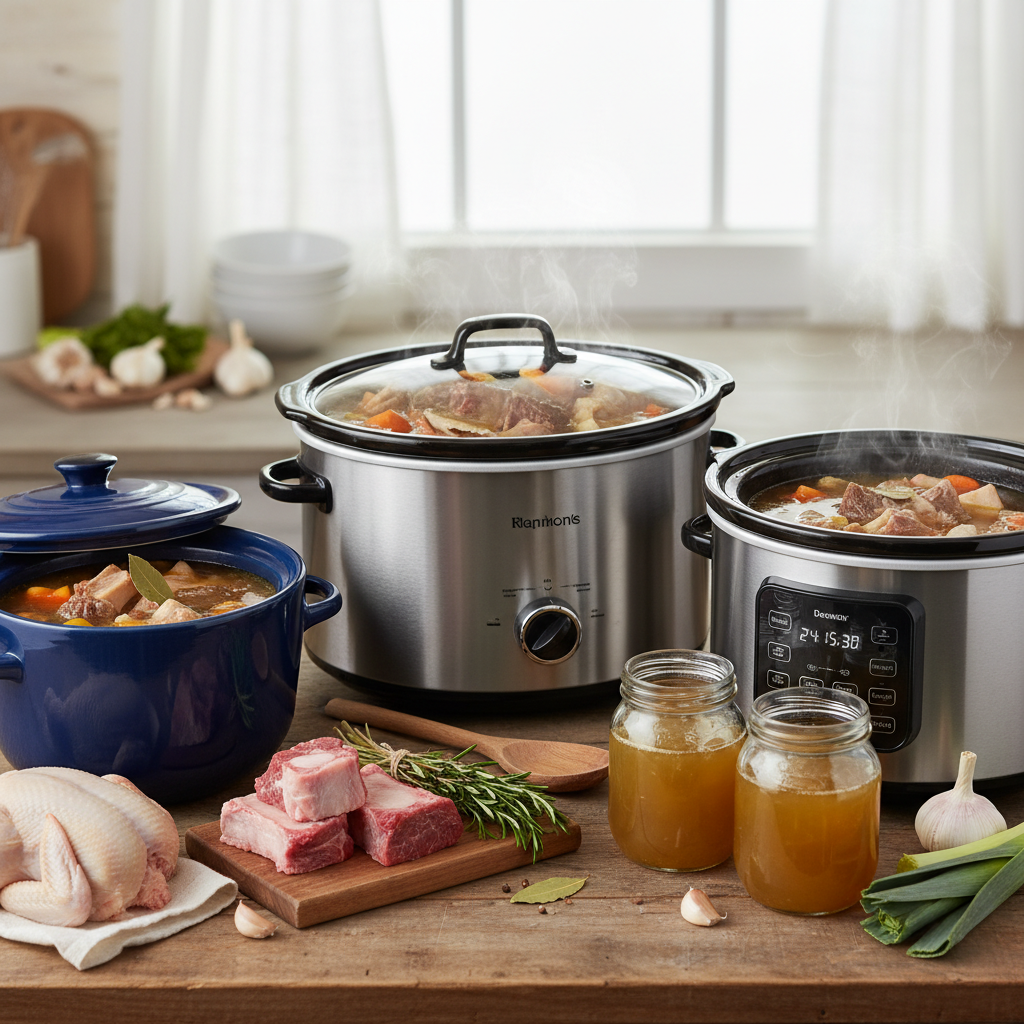
The allure of perfectly braised vegetables is undeniable: tender yet firm, infused with rich flavors that elevate any meal. Yet, many home cooks face a common frustration – vegetables that emerge from the braising pot as an unappetizing, watery mush. If you’ve ever dreamt of creating vegetables that retain their integrity and a delightful bite, you’re in the right place. This comprehensive guide will arm you with the techniques and insights needed to consistently achieve perfectly braised vegetables in 2026 and beyond, ensuring a culinary experience that’s tender, never mushy.
The Art of Braising Vegetables: A Culinary Overview
Braising is an ancient cooking method revered for its ability to transform tougher ingredients into succulent, flavorful dishes through a combination of dry and moist heat. It typically involves searing an item first to develop a rich crust and deep flavor, then slowly cooking it in a small amount of liquid, usually in a covered pot, until tender. For vegetables, this process is particularly magical, allowing them to absorb the aromatic braising liquid while their natural sweetness concentrates. This low-and-slow approach, often executed in a heavy-bottomed Dutch oven or a modern slow cooker, is perfect for extracting maximum flavor and achieving a meltingly tender texture without sacrificing structure. The evolution of braising has seen it adapt from rustic hearth cooking to sophisticated modern kitchens, yet its core principle—gentle, prolonged cooking in liquid—remains unchanged, promising depth and comfort in every bite.
Unlocking Texture: Why Vegetables Get Mushy (and How to Prevent It)
The primary reason vegetables turn mushy during braising lies in the breakdown of pectin, a structural carbohydrate that acts as the “glue” holding plant cells together. When exposed to heat and moisture for too long, pectin dissolves, causing the vegetables to lose their firm structure. Overcooking is the most common culprit, often exacerbated by using too much braising liquid, which essentially boils the vegetables rather than gently braising them. Moreover, selecting overly delicate vegetables for a long braise or cutting them into irregular, small pieces can also contribute to mushiness, as smaller or softer pieces cook faster and can easily disintegrate. The “sweet spot” for texture in braised vegetables is achieved when they are tender enough to cut with a fork but still offer a slight resistance or a delicate chew. Understanding these pitfalls is the first step toward preventing them and mastering the art of perfectly textured braised dishes.
Essential Strategies for Mush-Free Braised Vegetables
Achieving that ideal tender-crisp texture in your braised vegetables requires a strategic approach. Each step, from selection to post-braising care, plays a vital role in preventing mushiness.
Choosing Your Produce Wisely
|
Our Picks for the Best Slow cooker in 2026
As an Amazon Associate I earn from qualifying purchases.
|
||
| Num | Product | Action |
|---|---|---|
| 1 | Ninja® 12-in-1 PossibleCooker™ PLUS | 8.5-qt - Sous Vide & Proof Multi-Cooker | Slow Cooker, Dutch Oven & More | Glass Lid & Integrated Spoon | Nonstick | Oven Safe Pot to 500°F | Black | MC1010 |

|
| 2 | Crock-Pot 7-Quart Manual Slow Cooker, Family Size Serves 8+ People or Fits 6-lb Roast, Removable Stoneware with Warming Setting, Dishwasher Safe for Easy Cleanup, Charcoal |
|
| 3 | Instant Pot Duo 7-in-1 Electric Pressure Cooker, Slow Cooker, Rice, Steamer, Sauté, Yogurt Maker, Warmer & Sterilizer, Includes App With Over 800 Recipes, Stainless Steel, 6 Quart |
|
| 4 | Sweetcrispy 16-in-1 Electric Pressure Cooker 6QT, 12-Preset Multi Cookers with Ceramic Pot, Slow Cook Rice Steamer Sauté Soup Yogurt Maker and More, Recipe Book |
|
| 5 | Hamilton Beach Slow Cooker, Extra Large 10 Quart, Stay or Go Portable With Lid Lock, Dishwasher Safe Crock, Black (33195) |
|
| 6 | Crock-Pot 7 Quart Oval Manual Slow Cooker, Stainless Steel (SCV700-S-BR), Versatile Cookware for Large Families or Entertaining |
|
| 7 | Crock-Pot 6 Quart Cook & Carry Programmable Slow Cooker with Digital Timer Stainless Steel (CPSCVC60LL-S) pack of 1 |
|
| 8 | Crock-pot Express Crock Slow Cooker 8 quart Red |
|
| 9 | Crock-Pot Large 8-Quart Programmable Slow Cooker with Auto Warm Setting Black Stainless Steel |
|
| 10 | Hamilton Beach 6-Quart Slow Cooker with 3 Cooking Settings, Dishwasher-Safe Stoneware Crock & Glass Lid, Silver (33665G) |
|
Not all vegetables are created equal when it comes to braising. Heartier, denser vegetables stand up best to the long cooking process. Think root vegetables like carrots, parsnips, celery root, and potatoes; alliums such as leeks and onions; and cruciferous options like cabbage wedges or thick slices of fennel. These varieties contain more robust cell structures that resist breaking down quickly, ensuring they maintain their shape and a pleasant bite.
The Power of Proper Prep
Preparation is paramount. Always cut your vegetables into uniform, larger pieces. This ensures they cook evenly and helps prevent smaller bits from overcooking while larger ones are still firm. For example, cut carrots into 1-inch chunks or leeks into thick rounds. Searing the vegetables lightly in a hot pan with a little fat before adding liquid can also create a protective outer layer, strengthening their structure and deepening their flavor profile simultaneously.
Controlling Your Liquid
This is perhaps the most critical factor. Use just enough liquid to partially submerge the vegetables—about one-third to halfway up their sides. The idea is to steam the upper portions and cook the lower ones in liquid, allowing flavors to meld without drowning the vegetables. Incorporating acidic components like a splash of wine, vinegar, or diced tomatoes can also help firm up pectin, contributing to a firmer texture.
Temperature and Timing Mastery
Braising is a low-and-slow affair. Maintain a gentle simmer, not a rolling boil, throughout the cooking process. Overly high heat accelerates pectin breakdown. Keep a watchful eye, as cooking times vary depending on the vegetable. If you’re braising a mix of vegetables with different cooking times, consider adding them in stages, introducing the quicker-cooking ones later in the process. This ensures everything finishes at the perfect texture.
The Role of Equipment
A heavy-bottomed Dutch oven or a high-quality slow cooker is indispensable. Their ability to distribute heat evenly and maintain a consistent low temperature is key. A tight-fitting lid is also crucial, as it traps steam and moisture, creating an efficient braising environment without needing excessive liquid.
Post-Braising Care
Once your vegetables reach the desired tenderness, remove them from the heat promptly to stop carryover cooking. If possible, let them rest in the braising liquid for a short while; they will continue to absorb flavors without becoming mushy. Proper storage, once cooled, also helps maintain texture.
Beyond the Basics: Advanced Tips for Perfect Braising
Elevating your braised vegetables from good to exceptional involves a few more nuanced techniques that deepen flavors and ensure flawless execution.
Layering Flavors for Depth
Don’t just add liquid and go. Build a flavor foundation by sautéing aromatics like garlic, onions, or shallots before adding vegetables. Deglaze the pan with wine or stock to capture all the caramelized bits. This layering creates a more complex and satisfying braising liquid that truly infuses your vegetables.
Experimenting with Different Braising Liquids
While chicken or vegetable stock are common, don’t shy away from other options. Hard cider can add a subtle sweetness, while tomato juice or purée offers a rich, savory base. Even a combination of water and a quality bouillon cube can work wonders, provided you season it well. The liquid choice significantly impacts the final taste profile.
Adding Delicate Vegetables at the End
For ingredients like spinach, kale, fresh herbs, or bell peppers that cook very quickly, consider stirring them in during the last 5-10 minutes of braising. This allows them to wilt and become tender without turning into a pulpy mess, adding color and freshness to your dish.
Using a Thermometer for Precision
While not strictly necessary for vegetables, for denser root vegetables, an instant-read thermometer can confirm doneness. Most vegetables are perfectly tender when they can be easily pierced with a fork. However, knowing the internal temperature that corresponds to your preferred texture can help you replicate results consistently.
Top 5 Vegetables for Braising (and How to Handle Them)
When it comes to braising without mushiness, selecting the right vegetables is half the battle. Here are five top contenders and tips for bringing out their best:
- Carrots: Their natural sweetness and firm texture make them ideal. Cut into large, diagonal chunks or whole baby carrots. Sear first for a caramelized crust, then braise until tender-crisp.
- Fennel: Offers a unique anise-like flavor that mellows beautifully with braising. Cut into thick wedges, keeping the core intact to help hold its shape. It braises down to a lovely, slightly firm texture.
- Potatoes: Starchy varieties like Yukon Golds or Red Bliss hold their shape well. Cut into 1.5-inch cubes or halves. Braise until creamy inside, yet firm enough not to crumble. Adding a touch of acid to the braising liquid can further help maintain their structure.
- Cabbage/Leeks: Cabbage wedges (quartered or eighths, depending on size) and thick rounds of leeks become incredibly tender and flavorful. Their layers absorb the braising liquid beautifully. Braise until soft but still with a distinct form.
- Celery Root/Parsnips: These root vegetables provide earthy, slightly sweet notes. Peel and cut into substantial cubes or thick rounds. They are robust enough to withstand longer braising times, resulting in a wonderfully tender interior.
“The secret to non-mushy braised vegetables isn’t magic; it’s mindful cooking. Focus on uniform cuts, minimal liquid, and most importantly, listening to your vegetables.” – Chef Elena Rodriguez, Culinary Instructor & Braising Expert
Troubleshooting Common Braising Mistakes
Even with the best intentions, things can sometimes go awry. Here’s how to salvage common braising issues:
“My vegetables are still raw or too firm.”
If your vegetables aren’t tender enough, it likely means they need more cooking time or your heat was too low. Increase the braising time, ensuring the liquid is at a gentle simmer. If the liquid has evaporated too much, add a bit more warm stock or water.
“They’re too watery, not rich enough.”
This indicates too much liquid was used initially, or the lid wasn’t quite tight enough. To fix this, remove the vegetables, increase the heat, and reduce the braising liquid until it reaches your desired consistency. You can also thicken it with a cornstarch slurry or a roux if appropriate for your dish.
“The flavor is bland.”
Blandness often stems from insufficient seasoning or a lack of initial searing. If the dish tastes flat, remove the lid, bring the liquid to a simmer, and taste. Adjust with more salt, pepper, herbs, or a splash of an acidic component like lemon juice or vinegar to brighten the flavors. A dash of umami-rich ingredients like soy sauce or mushroom powder can also make a big difference.
Conclusion
Achieving perfectly braised vegetables—tender, deeply flavorful, and crucially, never mushy—is a culinary skill within everyone’s reach. By understanding the science behind vegetable breakdown and diligently applying techniques such as careful vegetable selection, precise cutting, controlled liquid levels, and mindful cooking times, you can consistently produce dishes that impress. The journey to mastering braised vegetables is one of patience and attention, but the reward of a vibrant, texturally pleasing dish is immense. So, gather your ingredients, fire up your Dutch oven, and embrace the comforting, rich world of properly braised vegetables. What new braised vegetable dish will you create this week?
Frequently Asked Questions
What is the ideal braising temperature for vegetables?
The ideal braising temperature for vegetables is a low, gentle simmer, typically around 200-250°F (93-121°C). This ensures slow, even cooking that tenderizes the vegetables without causing them to break down too quickly or become mushy. Maintaining a consistent temperature is key for optimal texture.
Can I braise frozen vegetables without them getting mushy?
Braising frozen vegetables can be challenging as they tend to release more water and often have a softer initial texture, making them more prone to mushiness. If you must use frozen, choose heartier varieties like carrots or root vegetable blends, keep the braising liquid minimal, and monitor cooking time closely, as they may cook faster.
How do I prevent delicate vegetables from becoming overcooked in a braise?
To prevent delicate vegetables like spinach, green beans, or bell peppers from getting overcooked and mushy in a braise, add them during the final 5-15 minutes of cooking. This allows them to become tender and absorb flavors without losing their vibrant color or structural integrity.
What kind of liquid is best for braising vegetables?
The best liquid for braising vegetables depends on the desired flavor profile. Vegetable or chicken stock are versatile choices. For added depth, consider dry white or red wine, tomato juice, hard cider, or even just water enhanced with herbs and aromatics. A little acidity from wine or vinegar can also help firm up vegetables.
How long can braised vegetables be stored?
Properly stored braised vegetables can typically be kept in an airtight container in the refrigerator for 3-4 days. For longer storage, they can be frozen for up to 2-3 months. Thaw them in the refrigerator overnight and reheat gently to maintain their texture and flavor.