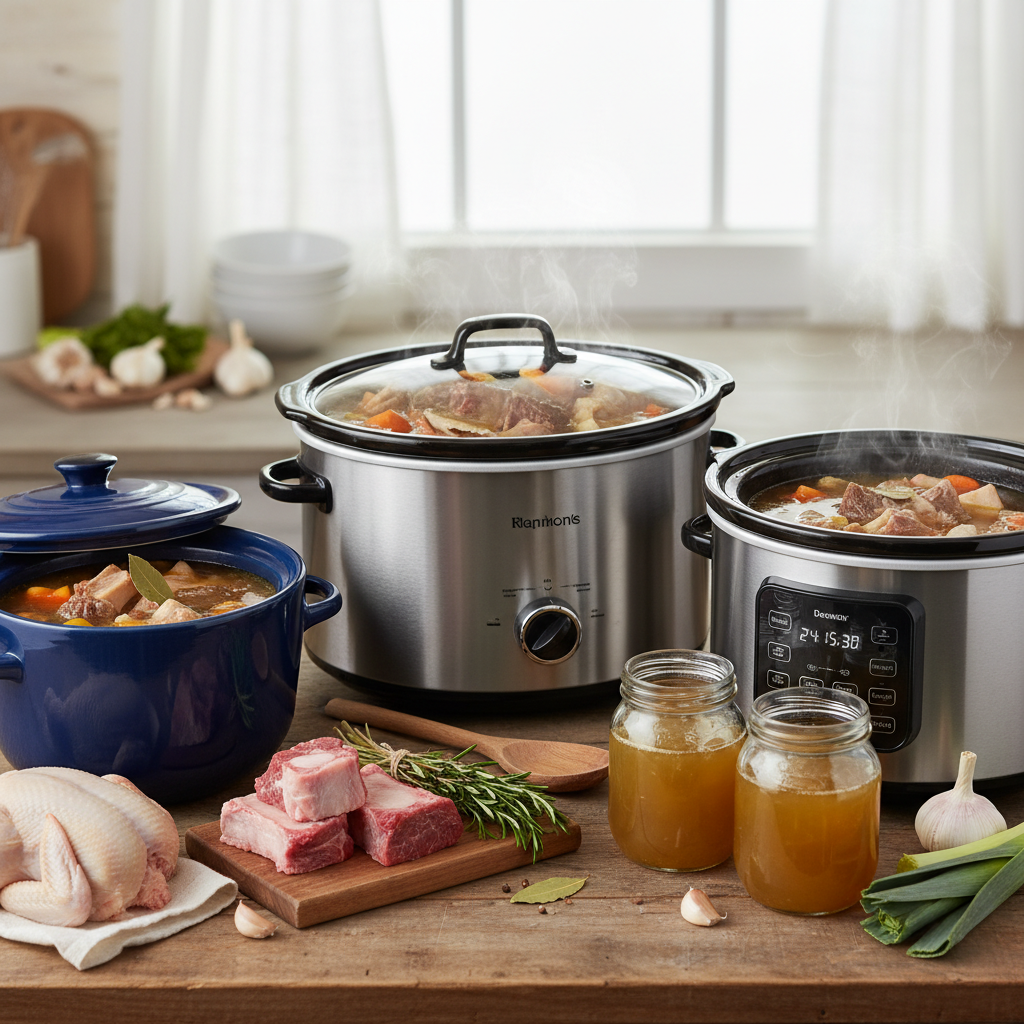
Unlocking the full potential of your slow cooker often comes down to one critical decision: high or low? For over a decade, as an administrator of a home appliance review site and a devoted slow cooker enthusiast, I’ve seen countless home cooks grapple with this very question. The distinction between these two seemingly simple settings goes far beyond just cooking time; it deeply influences the texture, flavor, and overall success of your culinary creations.
This comprehensive guide will demystify the high and low settings, explaining the fundamental differences, ideal applications, and essential tips to help you choose the perfect temperature for every dish. Whether you’re aiming for fall-off-the-bone tenderness, rich flavor development, or simply a convenient meal ready when you are, understanding these settings is your key to slow-cooking mastery.
Understanding Slow Cooker Settings: High vs. Low Demystified
At first glance, it might seem logical that the “high” setting cooks food at a significantly hotter temperature than “low.” However, the truth is more nuanced. For many modern slow cookers, including popular brands, both the high and low settings are designed to eventually reach the same safe internal temperature—typically around 209°F (98°C), just below boiling. The primary difference lies not in the ultimate temperature attained, but in the speed at which the appliance reaches that temperature.
- Low Setting: When set to low, your slow cooker heats up gradually and gently. It takes a longer time, often 7-8 hours, to reach the simmer point and stabilize at its maximum safe temperature. This extended warm-up period and gentle, consistent heat are crucial for certain cooking processes.
- High Setting: Conversely, the high setting brings the food up to the same simmer point much faster, usually within 3-4 hours. It heats more aggressively to achieve that temperature quicker. Once the target temperature is met, it then maintains it, similar to the low setting.
This distinction in heating speed profoundly impacts how ingredients cook, affecting everything from texture to flavor infusion.
The Science Behind the Settings: How Temperature Affects Your Food
The choice between high and low is a strategic one, dictating the chemical and physical transformations that occur within your food.
The Art of Low-Temperature Cooking: Slow and Steady Wins the Race
Cooking on the low setting is often considered the hallmark of classic slow cooking, and for good reason.
- Superior Tenderization: Tougher cuts of meat, rich in connective tissue, benefit immensely from prolonged exposure to low, moist heat. Over many hours, the collagen in these meats slowly breaks down into gelatin, resulting in incredibly tender, succulent results that literally fall apart with a fork. Rushing this process on a higher heat can leave meat tough and dry.
- Enhanced Flavor Development: The extended cooking time on low allows flavors to meld and deepen beautifully. Ingredients have more time to release their essences into the liquid, creating a richer, more complex taste profile in dishes like stews, chilis, and hearty soups.
- Even Cooking: The gradual temperature increase and consistent low heat ensure more even cooking throughout the dish, minimizing the risk of hot spots or unevenly cooked ingredients.
- Reduced Risk of Overcooking: While still possible, overcooking is less likely on the low setting, making it more forgiving if you’re delayed in serving your meal. This is particularly beneficial for delicate ingredients.
|
Our Picks for the Best Slow cooker in 2026
As an Amazon Associate I earn from qualifying purchases.
|
||
| Num | Product | Action |
|---|---|---|
| 1 | Instant Pot Duo 7-in-1 Electric Pressure Cooker, Slow Cooker, Rice, Steamer, Sauté, Yogurt Maker, Warmer & Sterilizer, Includes App With Over 800 Recipes, Stainless Steel, 6 Quart |

|
| 2 | Hamilton Beach Slow Cooker, Extra Large 10 Quart, Stay or Go Portable With Lid Lock, Dishwasher Safe Crock, Black (33195) |
|
| 3 | Crock-Pot 7-Quart Manual Slow Cooker, Family Size Serves 8+ People or Fits 6-lb Roast, Removable Stoneware with Warming Setting, Dishwasher Safe for Easy Cleanup, Charcoal |
|
| 4 | Sweetcrispy 16-in-1 Electric Pressure Cooker 6QT, 12-Preset Multi Cookers with Ceramic Pot, Slow Cook Rice Steamer Sauté Soup Yogurt Maker and More, Recipe Book |
|
| 5 | Crock-pot Express Crock Slow Cooker 8 quart Red |
|
| 6 | Crock-Pot 7 Quart Oval Manual Slow Cooker, Stainless Steel (SCV700-S-BR), Versatile Cookware for Large Families or Entertaining |
|
| 7 | Hamilton Beach 6-Quart Slow Cooker with 3 Cooking Settings, Dishwasher-Safe Stoneware Crock & Glass Lid, Silver (33665G) |
|
| 8 | Crock-Pot Large 8-Quart Programmable Slow Cooker with Auto Warm Setting Black Stainless Steel |
|
| 9 | Crock-Pot 6 Quart Cook & Carry Programmable Slow Cooker with Digital Timer Stainless Steel (CPSCVC60LL-S) pack of 1 |
|
| 10 | Ninja® 12-in-1 PossibleCooker™ PLUS | 8.5-qt - Sous Vide & Proof Multi-Cooker | Slow Cooker, Dutch Oven & More | Glass Lid & Integrated Spoon | Nonstick | Oven Safe Pot to 500°F | Black | MC1010 |
|
The Pace of High-Temperature Cooking: Convenience Meets Culinary
The high setting offers a significant advantage in terms of speed, making it a valuable option for busy schedules.
- Faster Meal Preparation: When time is of the essence, the high setting can deliver a slow-cooked meal in roughly half the time of the low setting. This makes it ideal for impromptu gatherings or weeknights when you need dinner on the table sooner.
- Maintains Texture for Some Foods: For certain ingredients that might become too mushy or break down excessively over a very long cooking period, the high setting can help maintain a more desirable texture while still imparting slow-cooked flavor.
- Quick Blanching/Heating: In some cases, the high setting can be used for a quicker initial heating phase before reducing to low, or for recipes that require faster cooking of specific components.
However, cooking on high requires a bit more vigilance. Delicate ingredients like dairy products can curdle if exposed to the rapid heat for too long, and some meats might dry out if left unattended.
When to Choose High, When to Choose Low: A Practical Guide
Making the right choice depends on your ingredients, desired outcome, and available time.
Opt for the Low Setting When:
- Cooking Tougher Cuts of Meat: This includes beef chuck roasts, pork shoulder, lamb shanks, and other cuts with abundant connective tissue. The long, slow process is essential for breaking them down.
- Developing Deep Flavors: If your recipe calls for a rich, complex broth or sauce, like in a classic chili, beef bourguignon, or a flavorful curry, low heat will allow the flavors to truly meld and intensify.
- You Have All Day: Ideal for meals you’ll start in the morning and return to in the evening. It’s forgiving for longer unattended cooking.
- Including Delicate Ingredients (Added Early): If you’re adding dairy (milk, cream, cheese) or very delicate vegetables (spinach, fresh herbs) early in the cooking process, low heat minimizes the risk of curdling or over-softening.
- Making Soups and Broths: The gentle simmer extracts maximum flavor from bones and vegetables for clear, rich broths.
Choose the High Setting When:
- You Need a Faster Meal: When you’re short on time but still want the benefits of slow cooking, the high setting can get dinner ready in 3-4 hours instead of 6-8.
- Cooking Poultry: Chicken breasts and thighs can often be cooked effectively on high, though care must be taken to prevent them from drying out. They generally don’t require the same extensive breakdown as red meats.
- Cooking Smaller, Softer Ingredients: This might include certain fish dishes (though slow cooking fish can be tricky) or vegetables that don’t require extensive tenderization.
- Converting a Standard Recipe: If a recipe is designed for a conventional oven or stovetop and you’re adapting it to a slow cooker, high might sometimes be a suitable equivalent for shorter cooking times.
The Recipe Conversion Rule of Thumb
A good general guideline for converting recipes is: 1 hour on High is approximately equivalent to 2 hours on Low. So, if a recipe calls for 4 hours on high, you can typically cook it for 8 hours on low. However, this is a general guideline, not an exact science. Always consider the specific ingredients and desired outcome.
Common Misconceptions and Safety Tips
Understanding the settings also involves dispelling myths and adhering to best practices for food safety.
Addressing Misconceptions
One common misconception is that the high setting causes food to boil, while low merely simmers. While the high setting reaches the simmering point faster and may appear to bubble more vigorously initially, both settings stabilize at a temperature just below boiling. The goal of a slow cooker is gentle, moist heat, not a rolling boil, to prevent drying out and scorching.
Essential Safety Tips
- Keep the Lid On: Every time you lift the lid, the temperature inside the slow cooker can drop by 10-15°F, adding 20-30 minutes to your cooking time. Resist the urge to peek!
- Proper Filling: Fill your slow cooker at least half full, but no more than two-thirds full, for optimal cooking and food safety. Too little food can overcook; too much can prevent proper heating.
- Thawing Meat: Always thaw frozen meat completely before placing it in the slow cooker. Adding frozen meat can keep the internal temperature in the “danger zone” (40-140°F / 4-60°C) for too long, promoting bacterial growth.
- Use a Food Thermometer: For critical dishes like large roasts, always verify doneness with a meat thermometer.
- Dairy and Delicate Additions: If adding milk, cream, sour cream, or fresh herbs, do so during the last hour of cooking on either setting to prevent curdling or nutrient loss.
Optimizing Your Slow Cooker Results
Beyond choosing the right setting, a few techniques can elevate your slow-cooked meals.
- Preheating the Crock: If your slow cooker has a removable ceramic crock, some experts suggest preheating it before adding ingredients, similar to preheating an oven. This can help the cooker reach a safe temperature more quickly.
- Searing Meat: For richer flavor and color, sear meat on the stovetop before adding it to the slow cooker. This caramelizes the exterior, creating a deeper, more robust taste.
- Layering Ingredients: Place tougher, slower-cooking vegetables (like carrots, potatoes) at the bottom, closer to the heat source. Meats go next, followed by quicker-cooking vegetables and liquids.
- Adjusting Liquid: Slow cookers retain moisture exceptionally well. As a rule, use about half the amount of liquid a traditional stovetop or oven recipe would require, unless the recipe specifically states otherwise.
- Understanding Your Model: Every slow cooker is slightly different. Getting to know how your specific appliance performs on high and low will come with experience.
Conclusion
The distinction between the high and low settings on your slow cooker is more about cooking speed than a vast difference in final temperature. The low setting offers a longer, gentler heat that excels at tenderizing tough meats and developing profound flavors, ideal for all-day cooking. The high setting provides a quicker route to a slow-cooked meal, perfect for busy schedules or ingredients that don’t require extensive breakdown.
By understanding these nuances, you empower yourself to make informed decisions that will consistently lead to delicious, perfectly cooked meals. So, whether you opt for the patient embrace of low or the convenient pace of high, your slow cooker is ready to transform simple ingredients into extraordinary dishes. What will you create next, with the confidence of a seasoned slow cooker chef?
Frequently Asked Questions
Is High setting really twice as fast as Low?
Generally, yes. A common rule of thumb is that cooking on the high setting takes approximately half the time it would take on the low setting. For example, a recipe calling for 8 hours on low would typically be done in about 4 hours on high, allowing for quicker meal preparation.
Does the High setting boil food in a slow cooker?
While the high setting heats food faster and may show more vigorous simmering, it typically reaches and maintains a temperature just below boiling, around 209°F (98°C). A slow cooker is designed for gentle, moist heat, not a rolling boil, to prevent drying out and scorching.
Can I switch between High and Low settings during cooking?
Yes, you can often switch between settings. If a recipe calls for starting on high to quickly bring food up to temperature, then reducing to low for the remaining cooking time, this is a common practice. However, avoid frequently switching or lifting the lid, as this can extend total cooking time and affect food safety.
Which setting is better for tough cuts of meat?
The low setting is generally superior for tough cuts of meat like pot roasts, briskets, and pork shoulder. The extended, gentle cooking allows collagen to break down slowly, resulting in exceptionally tender, succulent meat that easily shreds or falls off the bone, enhancing both texture and flavor.
Is one slow cooker setting more energy-efficient than the other?
While the high setting operates for a shorter duration, the low setting uses less power per hour. Over the entire cooking cycle, the energy consumption for both settings can be quite similar. The difference is often negligible, so choose the setting that best suits your recipe and schedule.