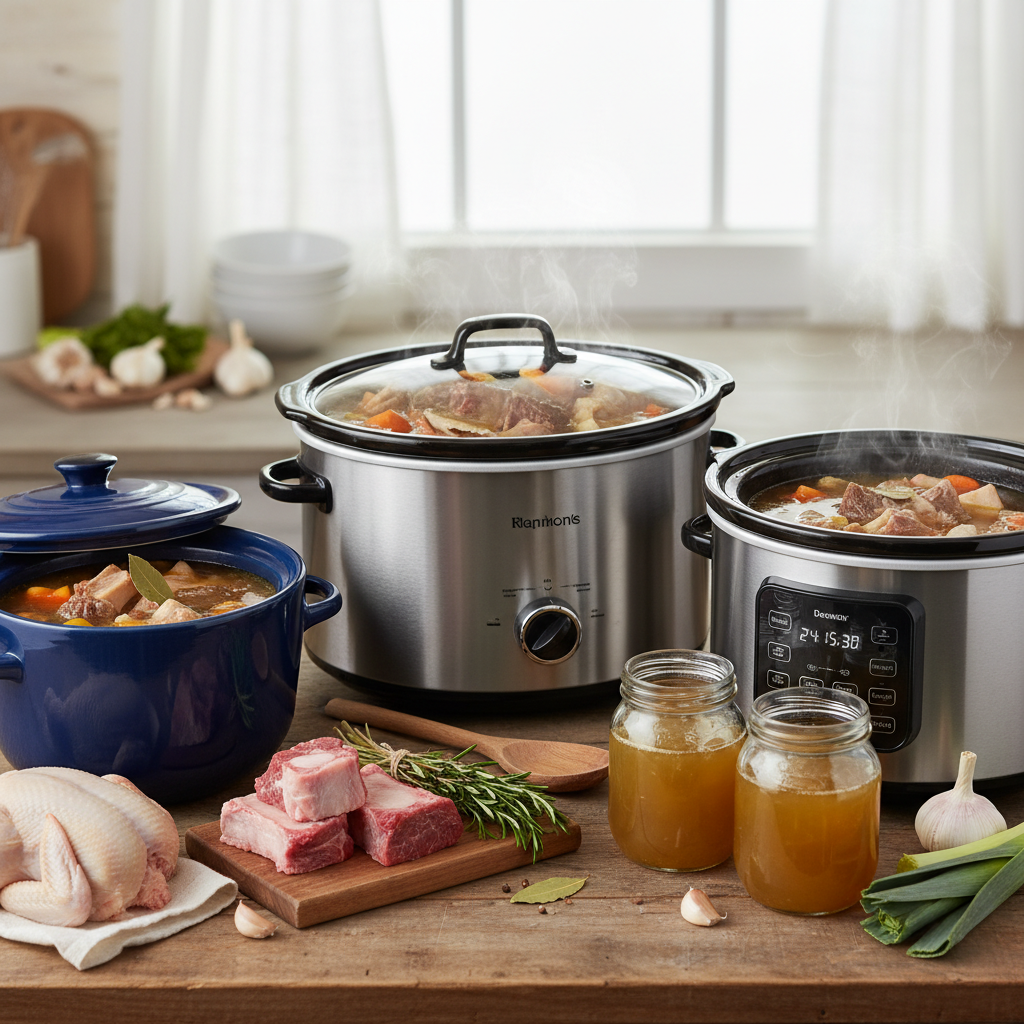
Are you looking for a versatile kitchen appliance that goes beyond the capabilities of a traditional slow cooker, offering both gentle simmering and powerful roasting? The Nesco Roaster Oven often emerges as a compelling option, promising flexibility and convenience for various culinary tasks. With over a decade of experience in home appliances, and a particular understanding of slow cookers, I’ve delved into hundreds of products, and the Nesco Roaster Oven stands out for its unique blend of features. This review aims to explore the Nesco Roaster Oven’s functionalities, compare it with conventional slow cookers, and determine if it can truly serve as your ultimate all-in-one cooking solution.
Understanding the Nesco Roaster Oven: A Versatile Kitchen Companion
The Nesco Roaster Oven is a countertop electric appliance designed for a wide range of cooking methods, distinguishing itself from single-function kitchen gadgets. Primarily known for roasting large items like turkeys and pot roasts, its adjustable thermostat allows it to operate across a broad temperature spectrum. This versatility makes it a popular choice for holiday gatherings, potlucks, and everyday family meals.
While it excels at high-temperature roasting, many users also explore its potential for other cooking styles, including baking and steaming. Nesco Roaster Ovens typically feature a removable cookwell, often made from porcelain-coated steel or a non-stick material, which simplifies both cooking and cleanup. Their design, which often includes a domed lid, helps to trap moisture, ensuring food remains tender. However, some Nesco lids are vented, allowing steam to escape, which can be beneficial for crisping or preventing messy overflows [cite: 3 (Benefits)].
Nesco Roaster Oven vs. Traditional Slow Cooker: Key Differences
While both Nesco Roaster Ovens and slow cookers offer convenient, hands-off cooking, their core operating principles and optimal uses differ significantly. Understanding these distinctions is crucial when considering a Nesco Roaster Oven as an alternative to your slow cooker.
Cooking Temperature & Method:
A fundamental difference lies in their temperature ranges and heating mechanisms. Nesco Roaster Ovens operate at higher temperatures, typically ranging from 200°F (93°C) up to 450°F (232°C), and utilize dry heat, similar to a conventional oven [cite: 1 (Summer Mealtime), 2 (Roaster Oven vs Slow Cooker)]. This makes them ideal for browning, crisping, and roasting meats and vegetables, delivering results like crispy chicken skin or caramelized roasted vegetables [cite: 2 (Roaster Oven vs Slow Cooker)]. In contrast, traditional slow cookers operate at much lower temperatures, usually between 170°F (77°C) and 300°F (149°C), employing moist heat to slowly tenderize tougher cuts of meat and meld flavors in stews and soups over several hours [cite: 2 (Roaster Oven vs Slow Cooker)].
Cooking Time:
Generally, cooking times in a roaster oven are shorter than those in a slow cooker. For example, a 10-pound turkey might cook in 2-3 hours in a roaster oven, while a similar cut in a slow cooker could take 6-8 hours [cite: 2 (Roaster Oven vs Slow Cooker)]. Slow cookers are designed for extended, unattended cooking, making them perfect for “set-and-forget” meals, while roaster ovens, especially at higher temperatures, may require a more watchful eye [cite: 1 (Summer Mealtime), 2 (Roaster Oven vs Slow Cooker)].
Capacity and Size:
Nesco Roaster Ovens typically come in larger capacities, often ranging from 18 to 22 quarts, making them excellent for preparing large meals for holidays, parties, or bulk cooking [cite: 2 (Roaster Oven vs Slow Cooker)]. Slow cookers are generally smaller, with common models between 4 and 8 quarts, better suited for smaller households or meals for 2-6 people [cite: 2 (Roaster Oven vs Slow Cooker)]. However, Nesco also offers smaller roaster ovens, such as 4-quart and 6-quart models, providing options for various needs [cite: 4 (Nesco Roaster Oven vs Slow Cooker)].
Versatility in Cooking:
The Nesco Roaster Oven is renowned for its multi-functional capabilities. Beyond roasting, it can bake casseroles, breads, and desserts, and can even be used as a large-capacity warmer or an auxiliary oven, freeing up your main oven [cite: 2 (Roaster Oven vs Slow Cooker), 3 (Benefits)]. Slow cookers, while excellent at their primary function, are generally more limited to simmering and braising, although some advanced models may offer additional features like searing [cite: 2 (Roaster Oven vs Slow Cooker)].
Can a Nesco Roaster Oven Truly Replace Your Slow Cooker?
Many home cooks wonder if a Nesco Roaster Oven can effectively serve as a slow cooker alternative. The answer is yes, with some caveats regarding temperature management and specific features.
The Nesco Roaster Oven’s ability to offer precise temperature control is a significant advantage. While traditional slow cookers often have only “low” and “high” settings, Nesco Roaster Ovens feature adjustable thermostats that let you select specific temperatures [cite: 3 (Benefits), 4 (Nesco Roaster Oven vs Slow Cooker)]. To mimic slow cooking, users often set their Nesco Roaster Oven between 200°F and 225°F (93°C-107°C). The lowest temperature setting on a Nesco Roaster Oven, 200°F (93°C), is considered equivalent to the “high” setting on a standard slow cooker [cite: 1 (How to use Nesco)]. For a “low” slow cooker setting (around 175-180°F or 79-82°C), you would typically use a lower end of the Nesco’s dial, though direct comparison requires some experimentation with your specific model [cite: 4 (Nesco Roaster Oven vs Slow Cooker)].
Pros of Using a Nesco for Slow Cooking:
- Larger Capacity: Ideal for big batches of chili, stews, or pulled pork for parties or meal prepping [cite: 2 (Roaster Oven vs Slow Cooker)].
- Precise Temperature Control: Offers more control than basic slow cooker settings [cite: 4 (Nesco Roaster Oven vs Slow Cooker)].
- Versatility: You get a slow cooker and a roaster in one appliance, reducing clutter [cite: 3 (Benefits)].
Cons and Limitations:
- No Dedicated “Keep Warm” Setting: While you can set a Nesco to 200°F to keep food warm, it will continue to cook at this temperature. For delicate dishes, this may require frequent stirring or adding liquid to prevent overcooking [cite: 1 (How to use Nesco)]. Dedicated slow cookers often have an automatic “keep warm” function.
- Lid Design: Some Nesco lids are vented, which allows steam to escape, potentially leading to less moisture retention compared to tightly sealed slow cookers. For slow-cooked dishes, a tighter seal generally helps maintain moisture.
- Heat Distribution: While Nesco roasters are designed for even heating, some users note that traditional slow cookers, with their ceramic crocks and side heating elements, might distribute heat differently than a roaster’s heating element [cite: 5 (Nesco Roaster Oven vs Slow Cooker)].
“The Nesco Roaster Oven offers exceptional value for those seeking a multi-functional appliance. Its ability to pivot from roasting a Thanksgiving turkey to simmering a hearty stew makes it a true workhorse in the kitchen.” – Sarah M., Home Appliance Expert
Choosing the Right Nesco Roaster Oven for Your Kitchen
When selecting a Nesco Roaster Oven, especially with its potential as a slow cooker in mind, consider several factors to ensure it meets your specific culinary needs.
1. Determine Your Capacity Needs:
Nesco Roaster Ovens come in various sizes. Smaller 4-quart or 6-quart models are suitable for everyday meals for smaller families, mimicking standard slow cooker capacities. Larger 18-quart or 22-quart models are perfect for holiday feasts, big batch cooking, or entertaining large groups [cite: 2 (Roaster Oven vs Slow Cooker)]. Consider the largest items you typically cook or envision cooking.
2. Cookwell Material:
Nesco offers cookwells in both non-stick metal and porcelain-coated steel.
- Non-stick metal: Often praised for ease of cleaning and lightweight design. Some older reviews mention potential for coating to peel over many years, though quality has improved [cite: 4 (Nesco Roaster Oven vs Slow Cooker)].
- Porcelain-coated steel: Offers excellent durability and heat distribution, often preferred for a more traditional cooking experience. It’s generally less prone to scratching than non-stick if cared for properly [cite: 4 (Nesco Roaster Oven vs Slow Cooker)].
3. Temperature Control:
Most Nesco Roaster Ovens feature an adjustable thermostat, allowing you to select precise temperatures, a key benefit over many basic slow cookers [cite: 3 (Benefits)]. Some models may offer digital controls for even greater accuracy. Ensure the temperature range includes settings low enough to effectively slow cook (around 200-225°F/93-107°C).
4. Additional Features:
Look for features that enhance usability:
- Removable cookwell: Essential for easy cleaning.
- Cooking rack: Useful for roasting meats, keeping them elevated from drippings.
- Lid design: While some Nesco lids are vented, a tightly fitting lid is generally better for slow cooking to retain moisture.
5. Brand Reputation and Warranty:
Nesco has a long-standing reputation for producing durable roaster ovens. Checking customer reviews for longevity and manufacturer warranty can provide additional peace of mind [cite: 1 (Nesco Roaster Oven slow cook review)].
Tips for Using Your Nesco Roaster Oven as a Slow Cooker
To maximize your Nesco Roaster Oven’s potential as a slow cooker, keep these tips in mind:
- Temperature Settings: For “high” slow cooking, set your Nesco to 200°F (93°C). For “low” slow cooking, you might aim for slightly below 200°F if your dial allows for finer adjustments, or simply use 200°F and adjust cooking time [cite: 1 (How to use Nesco), 4 (Nesco Roaster Oven vs Slow Cooker)]. Some users find 225°F (107°C) to be a good general slow-cooking temperature [cite: 5 (Nesco Roaster Oven vs Slow Cooker)].
- Add Liquid: Ensure there’s sufficient liquid in your recipe when slow cooking to prevent drying out, especially since the Nesco operates with dry heat and may have a vented lid [cite: 1 (How to use Nesco)].
- Monitor Your Food: Unlike a true “set-it-and-forget-it” slow cooker with a “keep warm” function, food in a Nesco Roaster Oven set at 200°F will continue to cook. If holding food for an extended period, stir occasionally and consider adding more liquid.
- Initial Curing: Before the first use, Nesco Roaster Ovens require a curing process where they run at a high temperature for an hour or two. This can produce a noticeable smell, so ensure proper ventilation [cite: 3 (Benefits)].
- Cleaning and Maintenance: Most Nesco cookwells are dishwasher safe or easily hand-washed. The sealed heating well also makes cleanup easier if spills occur [cite: 3 (Benefits)]. Always refer to your specific model’s manual for care instructions.
Conclusion
The Nesco Roaster Oven is a powerful and versatile kitchen appliance that offers more than just traditional roasting. Its wide temperature range, significant capacity, and robust design make it an excellent multi-purpose tool capable of roasting, baking, and even slow cooking. While it doesn’t replicate every aspect of a dedicated slow cooker, its adjustable thermostat and large capacity make it a highly effective alternative, particularly for those who frequently cook for larger groups or desire a single appliance with diverse capabilities. By understanding its strengths and adjusting your cooking approach, the Nesco Roaster Oven can indeed be a valuable addition to your kitchen, offering both convenience and expanded culinary possibilities.
What culinary adventures will you embark on with a Nesco Roaster Oven?
Frequently Asked Questions
Can I use my Nesco Roaster Oven for overnight slow cooking?
|
Our Picks for the Best Slow cooker in 2026
As an Amazon Associate I earn from qualifying purchases.
|
||
| Num | Product | Action |
|---|---|---|
| 1 | Crock-Pot 7-Quart Manual Slow Cooker, Family Size Serves 8+ People or Fits 6-lb Roast, Removable Stoneware with Warming Setting, Dishwasher Safe for Easy Cleanup, Charcoal |

|
| 2 | Instant Pot Duo 7-in-1 Electric Pressure Cooker, Slow Cooker, Rice, Steamer, Sauté, Yogurt Maker, Warmer & Sterilizer, Includes App With Over 800 Recipes, Stainless Steel, 6 Quart |
|
| 3 | Ninja® 12-in-1 PossibleCooker™ PLUS | 8.5-qt - Sous Vide & Proof Multi-Cooker | Slow Cooker, Dutch Oven & More | Glass Lid & Integrated Spoon | Nonstick | Oven Safe Pot to 500°F | Black | MC1010 |
|
| 4 | Sweetcrispy 16-in-1 Electric Pressure Cooker 6QT, 12-Preset Multi Cookers with Ceramic Pot, Slow Cook Rice Steamer Sauté Soup Yogurt Maker and More, Recipe Book |
|
| 5 | Hamilton Beach 6-Quart Slow Cooker with 3 Cooking Settings, Dishwasher-Safe Stoneware Crock & Glass Lid, Silver (33665G) |
|
| 6 | Crock-Pot 7 Quart Oval Manual Slow Cooker, Stainless Steel (SCV700-S-BR), Versatile Cookware for Large Families or Entertaining |
|
| 7 | Hamilton Beach Slow Cooker, Extra Large 10 Quart, Stay or Go Portable With Lid Lock, Dishwasher Safe Crock, Black (33195) |
|
| 8 | Crock-Pot 6 Quart Cook & Carry Programmable Slow Cooker with Digital Timer Stainless Steel (CPSCVC60LL-S) pack of 1 |
|
| 9 | Crock-Pot Large 8-Quart Programmable Slow Cooker with Auto Warm Setting Black Stainless Steel |
|
| 10 | Crock-pot Express Crock Slow Cooker 8 quart Red |
|
While a Nesco Roaster Oven can be set to slow cooking temperatures, it typically doesn’t have an automatic “keep warm” function that drops to a lower, non-cooking temperature like some dedicated slow cookers. At its lowest setting of 200°F (93°C), food will continue to cook, so careful monitoring and potentially adding liquid may be required for very long or overnight cooking to prevent overcooking or drying out [cite: 1 (How to use Nesco)].
What is the best temperature to slow cook in a Nesco Roaster Oven?
Many users find that setting a Nesco Roaster Oven to around 200°F (93°C) effectively mimics the “high” setting of a standard slow cooker, while 225°F (107°C) is also a popular choice for slow-cooked dishes [cite: 4 (Nesco Roaster Oven vs Slow Cooker), 5 (Nesco Roaster Oven vs Slow Cooker)]. Experimentation with your specific model and recipe is recommended.
Is cleaning a Nesco Roaster Oven difficult?
Most Nesco Roaster Ovens come with removable cookwells that are either non-stick or porcelain-coated, making them relatively easy to clean. Many are dishwasher-safe, while others can be hand-washed with warm, soapy water. The sealed heating element design also simplifies cleaning any spills that might occur outside the cookwell [cite: 3 (Benefits)].