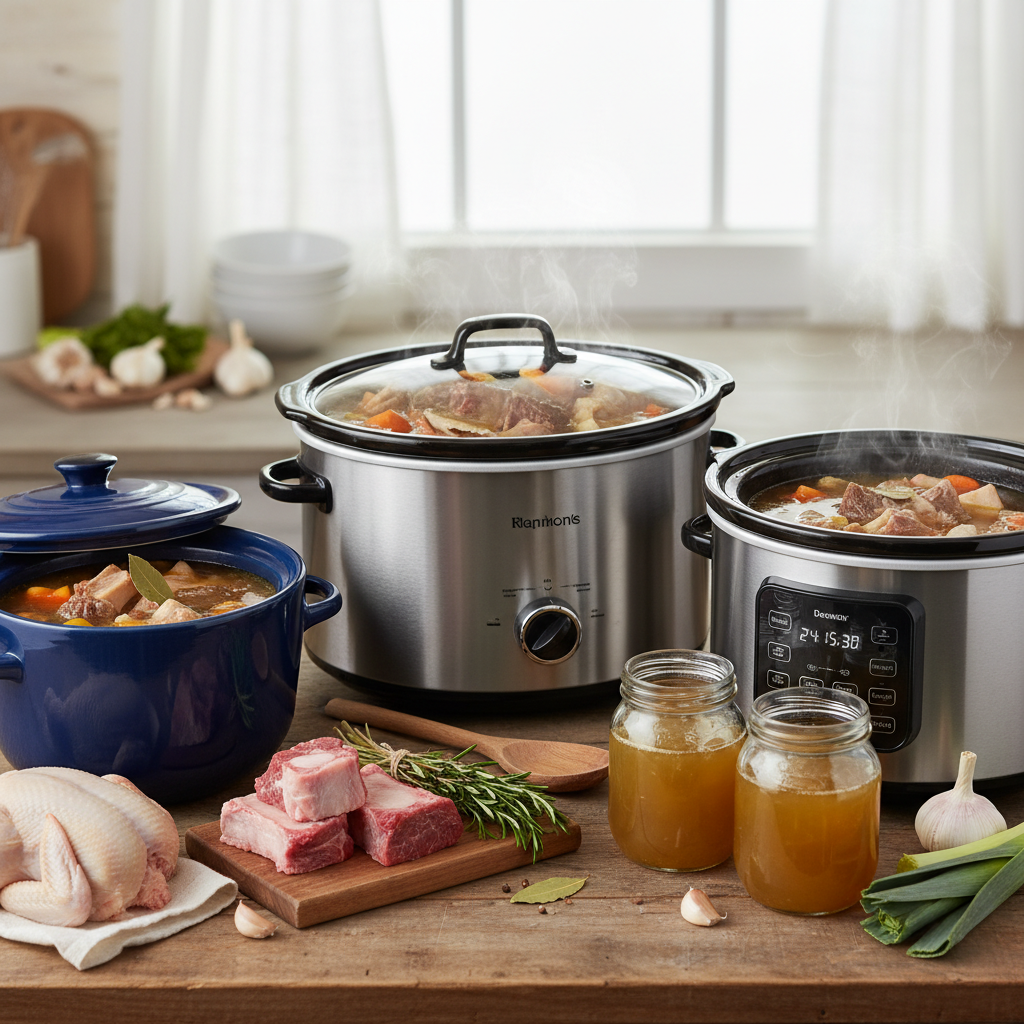
The world of handmade soap is captivating, offering a creative outlet and the satisfaction of crafting natural products for your skin. For many artisans, especially those venturing into hot process (HP) soap making, a slow cooker isn’t just a convenience; it’s an indispensable tool. Mastering the art of hot process soap requires consistent, controlled heat to achieve perfect saponification, and a slow cooker provides just that. This guide will walk you through everything you need to know to select the best dedicated slow cooker, ensuring safety, efficiency, and fantastic results for your soap-making journey.
Overview of Slow Cookers for Soap Making
A slow cooker, often referred to as a Crock-Pot, is an electric cooking appliance that simmers food at low temperatures for several hours. In the context of soap making, it’s primarily used for the hot process method, where external heat accelerates the saponification—the chemical reaction between lye and oils that creates soap. This method cooks the soap to completion, allowing it to be used much sooner than cold process soap, which requires a longer cure time.
Utilizing a slow cooker for hot process soap offers unique advantages. It provides a stable, even heat environment, crucial for guiding your soap batter through its various phases without burning or scorching. Typically, slow cookers feature simple “Low,” “High,” and “Warm” settings, which are perfectly adequate for maintaining the required temperatures, generally between 160-180°F (71-82°C), for the saponification process. While many general-purpose slow cookers exist, for serious soap makers, a dedicated appliance is a game-changer. These aren’t just kitchen gadgets; they become vital pieces of crafting equipment, distinct from any food preparation tools.
Benefits of Using a Dedicated Slow Cooker for Soap Making
Choosing to invest in a slow cooker solely for soap making brings several significant benefits, enhancing both the safety and quality of your handcrafted creations.
Firstly, preventing cross-contamination is paramount. Lye, a corrosive chemical, is used in soap making. Even with thorough cleaning, there’s a risk that residues, fragrances, or colorants could linger in a pot also used for food. A dedicated slow cooker eliminates this concern entirely, ensuring your culinary tools remain food-safe and your soap-making equipment is purely for crafting.
Secondly, a slow cooker provides consistent and controlled heat, which is vital for hot process soap. This steady warmth helps the soap batter move through the gel phase evenly, resulting in a consistent texture and appearance in your finished bars. It minimizes the risk of uneven cooking, which can lead to pockets of unsaponified oils or lye.
Thirdly, the convenience and safety factor cannot be overstated. With a slow cooker, you can “set it and forget it” for much of the cook time, freeing you up for other tasks while the soap gently saponifies. The enclosed nature of the slow cooker also helps contain any potential bubbling or “soap volcanoes” that can occur during the hot process, making the environment safer for handling lye-heavy mixtures. Moreover, because the saponification process is completed within the pot, your soap is ready to use much faster, often within days, compared to the weeks or even months required for cold process soap to cure.
Comparison Table: Key Features for Soap Making Slow Cookers
When selecting a slow cooker for your soap-making endeavors, certain features are more critical than others. Here’s a comparison of common aspects to consider:
| Feature | Ceramic/Stoneware Insert | Non-Stick Metal Insert |
|---|---|---|
| Pros for Soap Making | Even heat distribution, durable, easy to clean, lye-resistant. | Lighter weight, often heats faster. |
| Cons for Soap Making | Heavier, can crack if exposed to sudden temperature changes (e.g., stovetop). | Non-stick coating can degrade over time with lye exposure and abrasive cleaning. |
| Capacity Range | Typically 1.5 quarts (for small batches) to 8 quarts (for large batches). | Similar range, often found in multi-cookers. |
| Temperature Settings | Usually “Low,” “High,” and “Warm.” Most HP soap is made on “Low.” | Similar, some digital models offer more precise temperature control. |
| Controls | Manual dial (simpler, less prone to failure) or digital programmable (timer, auto shut-off). | Often digital and programmable, offering more features. |
| Price Range | Generally more affordable for basic models. | Can be higher, especially for multi-cooker units. |
| Lid Type | Glass lid, ideally without rubber gaskets to prevent lye degradation. | Various, but look for glass lids without rubber seals. |
Considerations:
- Capacity: For beginners, a 4-6 quart slow cooker is a good starting point, allowing space for the soap to expand. Larger batches might require 7-8 quarts.
- Liner Material: Ceramic or stoneware is generally preferred due to its durability and resistance to lye, making it easier to clean without worrying about damaging a non-stick coating.
- Temperature Control: Simple “Low” and “High” settings are sufficient. Advanced digital controls are not strictly necessary but can offer convenience for programming and monitoring.
How to Choose the Best Slow Cooker for Soap Making (Buying Guide)
Selecting the ideal dedicated slow cooker involves weighing several practical factors to ensure it meets your specific soap-making needs.
First, determine your usage needs. How often will you make soap? What size batches do you typically produce? A hobbyist making occasional small batches might opt for a smaller, simpler model, while a commercial crafter will need a larger, more robust unit.
Next, choose the appropriate capacity. As a rule of thumb, your slow cooker should be at least double the volume of your soap batter to accommodate expansion during the cook. For a typical 2-3 pound batch of soap (around 44-60 oz of oils), a 4-6 quart slow cooker is generally recommended. This allows ample headspace, preventing messy overflows as the soap “cooks” and rises.
The material of the inner pot is crucial. Ceramic or stoneware inserts are widely favored by soap makers due to their even heat distribution and inertness when exposed to lye. They are also relatively easy to clean. While non-stick metal inserts exist, the non-stick coating can degrade over time with the chemical reaction of lye and constant scraping, making ceramic a more durable and safer long-term choice for a dedicated soap pot.
Consider the temperature control and features. Most slow cookers offer “Low,” “High,” and “Warm” settings. For hot process soap, the “Low” setting is typically all you need. Simpler, manual dial controls are often reliable and less prone to electronic failure than complex digital interfaces, which might be overkill for soap making. Look for a slow cooker with a clear glass lid, ideally without rubber gaskets that could degrade from lye exposure.
Finally, budget and brand reputation play a role. You don’t necessarily need an expensive, high-end slow cooker for soap making. Many soap makers find excellent, affordable options at thrift stores or discount retailers. Look for reliable brands known for durability, even if it’s an older model. Since it’s a dedicated pot, minor cosmetic imperfections are often irrelevant.
Top 3 Slow Cookers for Soap Making
Based on common recommendations and the features crucial for soap making, here are three types of slow cookers that stand out:
-
The Basic Manual Slow Cooker (e.g., Crock-Pot 4-6 Quart Manual):
- Why it’s great: These no-frills models are often the most affordable and readily available. They typically feature stoneware inserts and simple “Low,” “High,” and “Warm” settings with a manual dial. Their simplicity means less to break, making them highly durable workhorses for hot process soap.
- Best for: Beginners, those on a budget, or anyone prioritizing reliability and straightforward functionality.
- Considerations: Lacks advanced features like timers, so you’ll need to monitor cook times manually.
-
The Programmable Slow Cooker (e.g., Hamilton Beach Set & Forget 6-Quart Programmable Slow Cooker):
- Why it’s great: Offers the convenience of a programmable timer, allowing you to set a specific cooking duration after which it can automatically switch to a “Keep Warm” setting or shut off. Many models still feature the preferred ceramic or stoneware inserts.
- Best for: Soap makers who want more hands-off convenience and precision in their cook times, especially for larger batches.
- Considerations: Generally a higher price point than manual models. Ensure the digital controls are robust and easy to clean around.
-
The Multi-Cooker with a Slow Cook Function (e.g., Cuisinart 6-Quart 3-in-1 Cook Central Multicooker):
- Why it’s great: While primarily a multi-functional kitchen appliance, some higher-end multi-cookers offer excellent slow cook capabilities, often with precise temperature control and durable non-stick or ceramic-coated inserts suitable for soap. If you already own one and dedicate it solely to soap, its robust construction can be a plus.
- Best for: Those who already possess such a unit and wish to dedicate it to soap, or those who value premium build quality and potentially faster heating elements for quick trace.
- Considerations: These are typically more expensive. The non-stick coating might eventually show wear from lye exposure, and you must strictly dedicate it to soap making.
Remember, the “best” slow cooker isn’t always the most expensive, but rather the one that best suits your batch size, budget, and commitment to maintaining dedicated soap-making tools.
Tips for Using and Maintaining Your Soap Making Slow Cooker
Using a dedicated slow cooker for your hot process soap making can streamline the crafting process, but proper usage and maintenance are key to ensuring safety, longevity, and consistent results.
Usage Tips:
- Ventilation is paramount: Always make soap in a well-ventilated area. Lye fumes can be irritating, and the cooking process can release steam.
- Don’t overfill: Fill the slow cooker no more than halfway, or ideally, only about a quarter full, especially when first starting. Hot process soap can expand significantly during the cook, and overfilling can lead to messy, hazardous overflows.
- Monitor temperatures (optional but recommended): While slow cookers maintain consistent heat, using an infrared thermometer can help you track the soap’s temperature and identify different stages of the cook, ensuring complete saponification.
- Safety first: Always wear appropriate personal protective equipment (PPE), including gloves, safety glasses, and long sleeves, when handling lye and hot soap batter. Keep children and pets away from your soap-making area.
- Stir regularly: Stirring the soap every 15-30 minutes during the cook time helps ensure even heating and thorough saponification.
Cleaning and Storage:
- Clean immediately and thoroughly: After each use, allow the slow cooker insert to cool completely. Then, clean it rigorously. While the saponification process neutralizes the lye, residues of soap, fragrance, and colorants can remain. Wash with hot soapy water and a dedicated scrubbing brush.
- Avoid abrasive cleaners: For ceramic inserts, avoid harsh abrasive cleaners or scouring pads that could scratch the surface over time, potentially leading to etching.
- Inspect the lid: Pay close attention to the lid, especially if it has a rubber gasket. Lye can degrade rubber. If you notice any damage, consider replacing the lid or the entire unit. A glass lid without a gasket is often preferred for soap making.
- Store separately: Store your dedicated slow cooker and all soap-making equipment in a separate, clearly marked container or area, away from kitchen utensils. This reinforces its dedicated purpose and prevents accidental cross-contamination.
Common Issues and Troubleshooting:
- Soap seizing: If your soap batter suddenly becomes thick and clumpy, it’s called seizing. Continue to cook and stir on “Low.” The heat in the slow cooker will eventually help smooth it out.
- Uneven cooking: If parts of your soap appear undercooked or oily, ensure you are stirring frequently and thoroughly during the cook phase to distribute heat evenly.
- Bubbling/Overflowing: If the soap starts to rise too much, remove the insert from the heating element and stir vigorously until it settles down, then return it to the cooker.
“A dedicated slow cooker is more than just convenience; it’s a commitment to safety and consistent quality in your handmade soap.” – Admin, reviewfcs.com, Household Appliance Expert
Conclusion
Choosing the right slow cooker for your soap-making needs is a crucial step in ensuring both the quality of your handmade products and the safety of your crafting process. By understanding the unique requirements of hot process soap and opting for a dedicated pot, you establish a reliable foundation for consistent results. Remember to prioritize capacity, a durable ceramic insert, and simple, effective temperature controls. With these insights, you’re well-equipped to select a slow cooker that will be a valued, long-lasting asset in your creative space, helping you craft beautiful, nourishing soaps with confidence.
What is your favorite type of soap to make using the hot process method?
Frequently Asked Questions
Is a slow cooker necessary for hot process soap?
|
Our Picks for the Best Slow cooker in 2026
As an Amazon Associate I earn from qualifying purchases.
|
||
| Num | Product | Action |
|---|---|---|
| 1 | Crock-pot Express Crock Slow Cooker 8 quart Red |

|
| 2 | Crock-Pot 6 Quart Cook & Carry Programmable Slow Cooker with Digital Timer Stainless Steel (CPSCVC60LL-S) pack of 1 |
|
| 3 | Crock-Pot Large 8-Quart Programmable Slow Cooker with Auto Warm Setting Black Stainless Steel |
|
| 4 | Ninja® 12-in-1 PossibleCooker™ PLUS | 8.5-qt - Sous Vide & Proof Multi-Cooker | Slow Cooker, Dutch Oven & More | Glass Lid & Integrated Spoon | Nonstick | Oven Safe Pot to 500°F | Black | MC1010 |
|
| 5 | Crock-Pot 7-Quart Manual Slow Cooker, Family Size Serves 8+ People or Fits 6-lb Roast, Removable Stoneware with Warming Setting, Dishwasher Safe for Easy Cleanup, Charcoal |
|
| 6 | Instant Pot Duo 7-in-1 Electric Pressure Cooker, Slow Cooker, Rice, Steamer, Sauté, Yogurt Maker, Warmer & Sterilizer, Includes App With Over 800 Recipes, Stainless Steel, 6 Quart |
|
| 7 | Hamilton Beach Slow Cooker, Extra Large 10 Quart, Stay or Go Portable With Lid Lock, Dishwasher Safe Crock, Black (33195) |
|
| 8 | Hamilton Beach 6-Quart Slow Cooker with 3 Cooking Settings, Dishwasher-Safe Stoneware Crock & Glass Lid, Silver (33665G) |
|
| 9 | Crock-Pot 7 Quart Oval Manual Slow Cooker, Stainless Steel (SCV700-S-BR), Versatile Cookware for Large Families or Entertaining |
|
| 10 | Sweetcrispy 16-in-1 Electric Pressure Cooker 6QT, 12-Preset Multi Cookers with Ceramic Pot, Slow Cook Rice Steamer Sauté Soup Yogurt Maker and More, Recipe Book |
|
While not strictly “necessary” as hot process soap can also be made on a stovetop, a slow cooker provides a stable and controlled low-heat environment that is highly recommended for achieving consistent results and managing the saponification process safely and efficiently.
Can I use my food slow cooker for soap making?
It is strongly recommended to use a separate, dedicated slow cooker solely for soap making. This prevents any potential cross-contamination with lye residues, fragrances, or colorants that could linger even after thorough cleaning, ensuring your food-grade appliances remain safe for culinary use.
What size slow cooker is best for beginners?
For beginners making standard batch sizes (around 2-3 pounds of oils), a 4- to 6-quart slow cooker is ideal. This size allows ample headspace for the soap to expand safely during the cooking process without overflowing, making it easier to manage.
How do I clean soap out of a slow cooker?
After the slow cooker insert has cooled, scrape out any remaining soap. Then, wash the insert thoroughly with hot water and dish soap using a dedicated sponge or brush. For stubborn residues, fill the pot with hot water and a little dish soap, let it soak, and then scrub clean.
What’s the difference between “Low” and “High” settings for soap?
For hot process soap, the “Low” setting is typically sufficient, maintaining a gentle, consistent heat ideal for saponification (around 160-180°F or 71-82°C). The “High” setting cooks at a higher temperature, which can accelerate the process but may also increase the risk of scorching or boil-overs.