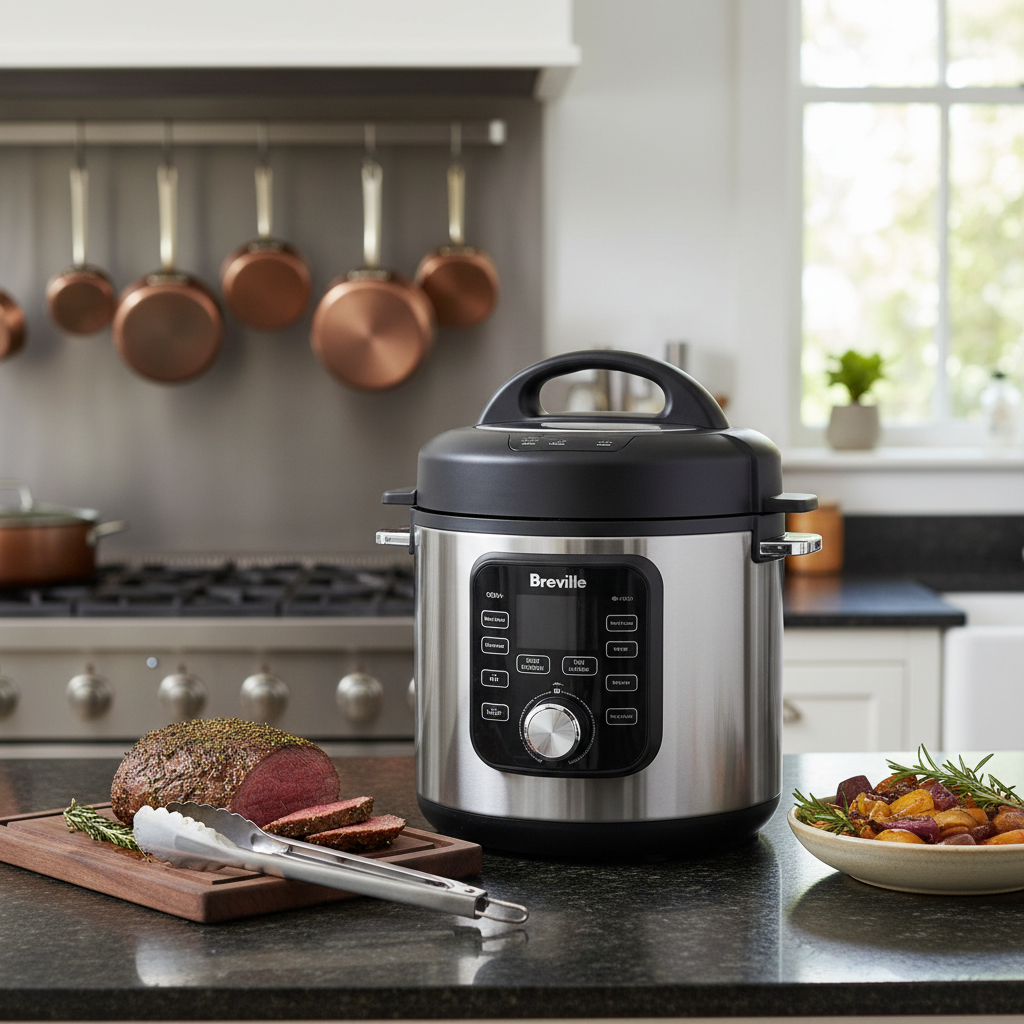
Few things are as frustrating as opening your slow cooker to find a delicious meal, only to discover a layer of burnt, stubborn food stuck to the bottom. It happens to the best of us – a little too much heat, not enough liquid, or an oversight can leave your beloved appliance looking less than pristine. But don’t despair! You don’t need harsh chemicals or intense scrubbing to bring your slow cooker back to life. With simple household ingredients and a few clever techniques, you can effectively remove burnt food and restore your slow cooker’s inner pot to its sparkling glory. Let’s explore these easy, do-it-yourself methods to tackle even the toughest slow cooker messes.
Understanding Burnt-On Food in Your Slow Cooker
Even with its “low and slow” cooking philosophy, a slow cooker can still end up with burnt food. This often occurs when there’s insufficient liquid in the pot, the heat setting is too high for the recipe, or a particularly sugary or starchy ingredient sticks and caramelizes over an extended cooking period. The ceramic or stoneware insert, while excellent for even heat distribution, can hold onto these burnt residues with surprising tenacity. The key to effective cleaning lies in understanding that gentle, persistent action, often aided by heat and natural cleaning agents, is far more effective and safer for your appliance than aggressive scrubbing or harsh chemicals. Protecting your slow cooker’s interior not only keeps it looking good but also ensures its longevity and the purity of your future meals.
Essential Supplies for DIY Slow Cooker Cleaning
Before you begin your cleaning mission, gather these common household items. You likely have most of these readily available in your pantry, making these DIY methods both convenient and budget-friendly. Using the right tools will make the process smoother and help prevent damage to your slow cooker’s interior.
- Baking Soda: A natural abrasive and deodorizer, excellent for loosening grime.
- White Vinegar: Its acidic properties help break down tough, burnt-on residue.
- Dish Soap: For degreasing and general cleaning.
- Water: The primary vehicle for your cleaning solutions.
- Non-Abrasive Sponge or Soft Cloth: Essential for scrubbing without scratching the stoneware.
- Rubber Spatula: Useful for gently scraping loosened food without damaging the surface.
- Clean Towels: For drying and wiping.
Method 1: The Gentle Baking Soda & Dish Soap Soak (with heat)
This method is ideal for moderately burnt food and general stubborn stains. It leverages the slow cooker’s own heat to gently loosen the residue, making it easier to wipe away. The combination of baking soda and dish soap works wonders to break down and lift the burnt particles.
Step-by-step instructions:
- Remove and Rinse: First, ensure your slow cooker is unplugged and completely cooled. Carefully remove the stoneware insert and rinse out any loose food particles.
- Fill with Water: Fill the slow cooker insert with warm water, just enough to cover the burnt areas.
- Add Cleaning Agents: Add 2-3 tablespoons of baking soda and a few drops of liquid dish soap to the water. Stir gently to combine.
- Heat it Up: Place the insert back into the heating unit. Cover with the lid and turn the slow cooker to the LOW setting.
- Soak and Simmer: Let it heat and gently simmer for 2-4 hours. The heat will help the baking soda and soap penetrate and soften the burnt food.
- Cool and Clean: Unplug the slow cooker and allow the insert and water to cool completely. Carefully pour out the water.
- Scrub and Wipe: Use a non-abrasive sponge or rubber spatula to gently scrub and wipe away the loosened burnt food. Most of it should come off easily. For any remaining spots, you can make a paste with a little extra baking soda and water, apply it, let it sit for 15-30 minutes, then scrub.
- Final Rinse: Rinse the insert thoroughly with warm, soapy water and dry it completely.
This method works effectively because the heat helps expand the stoneware, loosening the burnt particles, while baking soda acts as a mild abrasive and deodorizer, and dish soap tackles any grease.
Method 2: The Power of Vinegar & Baking Soda (Boiling Method)
For more stubborn, heavily burnt-on food, the chemical reaction between vinegar and baking soda, combined with heat, creates a powerful cleaning solution. This method is slightly more intense but incredibly effective for those tough spots that just won’t budge.
Step-by-step instructions:
- Prepare the Insert: Ensure the slow cooker is unplugged and cool. Remove the insert and rinse off any loose debris.
- Fill with Water: Fill the stoneware insert with water, ensuring the water level is above the burnt residue.
- Add Vinegar: Pour in 1 cup of white vinegar (for a 6-quart slow cooker; adjust for smaller sizes, using about 1/2 cup for a 3-quart model).
- Add Baking Soda (Carefully): Slowly add 1/2 to 1 cup of baking soda. The mixture will fizz vigorously; this reaction is crucial for breaking down burnt food. Allow the fizzing to subside before proceeding.
- Heat to Simmer: Place the insert back in the slow cooker base, cover, and set it to HIGH. Let the mixture come to a simmer and continue to “cook” on HIGH for 1-2 hours.
- Cool Down: Unplug the appliance and let the water cool completely in the insert.
- Empty and Scrub: Once cool, pour out the water. Use a non-abrasive sponge or rubber spatula to scrub away the softened burnt food. The combination of acid, alkali, and heat should have significantly loosened the residue.
- Clean and Dry: Wash the insert with warm, soapy water and dry thoroughly.
“A common misconception is that burnt food requires aggressive scraping. In reality, the most effective solutions rely on softening the carbonized layers, allowing them to release gently without damaging the non-stick or glazed surface.” – Chef Elena Rodriguez, Culinary Appliance Specialist
Tackling Stubborn Residue with a Baking Soda Paste
Sometimes, even after a soak, you might find a few particularly resilient burnt spots or discoloration. This is where a targeted baking soda paste comes in handy. This method provides concentrated abrasive power without scratching.
When to Use This Method:
This technique is best for localized tough spots, discoloration, or faint burnt rings that remain after a general soak. It’s also effective for the often-neglected exterior rim of the stoneware where food might splatter and bake on.
Instructions for Making and Applying the Paste:
- Create the Paste: In a small bowl, mix a few tablespoons of baking soda with just enough water to form a thick, spreadable paste. It should have the consistency of toothpaste.
- Apply to Stains: Apply the paste directly onto the stubborn burnt areas or discolored spots.
- Let it Sit: Allow the paste to sit on the stains for at least 30 minutes, or for several hours for very tough residue. The baking soda needs time to work its magic.
- Gentle Scrubbing Techniques:
- Using a damp non-abrasive sponge or soft brush, gently scrub the paste into the stain in small, circular motions. The fine particles of baking soda will act as a mild abrasive to lift the residue.
- For extra stubborn spots, you can add a drop or two of white vinegar directly onto the baking soda paste during scrubbing. The gentle fizzing reaction can provide an extra boost.
- Avoid using metal scouring pads or harsh scrubbers, as these can scratch the ceramic surface.
- Rinse and Dry: Once the stains are removed, rinse the insert thoroughly with warm water to ensure all baking soda residue is gone. Dry completely before storing.
This method allows for focused treatment on problem areas, providing a more intensive clean where it’s needed most, without resorting to damaging tools.
Quick Tips for Everyday Slow Cooker Care
Preventing burnt food and maintaining your slow cooker regularly is far easier than deep cleaning a neglected one. A little attention after each use can significantly extend the life of your appliance and keep it ready for your next culinary creation.
- Preventing Burnt Food:
- Adequate Liquid: Always ensure there’s enough liquid in your recipe to cover the food, especially at the bottom. This prevents direct contact with the hot ceramic.
- Grease the Pot: Lightly grease the inside of the stoneware with cooking spray or oil, particularly for recipes with sauces or cheeses that tend to stick.
- Avoid Overfilling: Don’t fill your slow cooker more than two-thirds full to prevent boil-overs and ensure even cooking.
- Stir Occasionally: For recipes with thick sauces or ingredients prone to sticking (like rice or grains), give them a gentle stir halfway through if possible, particularly if your slow cooker has hot spots.
- Regular Cleaning After Each Use:
- As soon as the slow cooker cools, remove any remaining food. The sooner you clean, the easier it is.
- Wash the stoneware insert and lid with warm, soapy water and a soft sponge.
- If any food is slightly stuck, let the insert soak in warm, soapy water for 30 minutes before washing.
- Safe Cleaning of the Exterior/Heating Element:
- Always ensure the slow cooker is unplugged and completely cool before cleaning the exterior.
- Never immerse the electrical heating base in water or any other liquid.
- Wipe down the exterior of the heating unit with a damp cloth and mild dish soap. Dry thoroughly immediately to prevent water spots or damage.
- For any stubborn marks on the exterior metal, a small amount of baking soda paste can be applied and gently wiped off with a damp cloth, followed by drying.
By integrating these simple habits into your slow cooker routine, you’ll minimize the chances of burnt messes and keep your appliance in top working condition for years to come.
What to Avoid When Cleaning Your Slow Cooker
While the desire to eliminate burnt food quickly is strong, using the wrong cleaning methods can cause irreversible damage to your slow cooker. Understanding what to avoid is as crucial as knowing what to do.
- Harsh Chemicals and Abrasive Cleaners: Steer clear of oven cleaners, bleach, or other strong chemical cleaners. These can not only damage the glazed surface of your stoneware, making it prone to sticking in the future, but they can also leave behind residues that might transfer to your food during subsequent cooking.
- Metal Scouring Pads or Steel Wool: These highly abrasive materials will scratch the ceramic or stoneware surface, creating microscopic etches where food can stick more easily and making future cleaning even harder. Always opt for non-abrasive sponges, soft brushes, or rubber spatulas.
- Sudden Temperature Changes: Avoid placing a hot stoneware insert directly into cold water, or vice-versa. Extreme temperature changes can cause thermal shock, leading to cracking or shattering of the ceramic. Always allow the insert to cool completely before washing, or use warm water if it’s still slightly warm.
- Immersing the Heating Base: This is a critical safety warning. The electrical heating unit should never be submerged in water or any other liquid. Doing so can cause electrical hazards and permanently damage the appliance. Only wipe the exterior with a damp cloth.
Adhering to these “don’ts” will ensure your slow cooker remains safe, functional, and performs optimally for countless meals.
Conclusion
Tackling burnt food in your slow cooker doesn’t have to be a daunting chore. With the simple, DIY methods outlined here—leveraging the power of baking soda, vinegar, and a bit of heat—you can effectively remove even the toughest messes and restore your appliance to its pristine condition. By understanding why food burns, stocking up on basic supplies, and applying these gentle yet potent cleaning techniques, you’re well-equipped to handle any slow cooker mishap. Remember, a little prevention and regular maintenance go a long way in preserving your slow cooker’s lifespan and ensuring consistently delicious, worry-free meals. So, give these methods a try and let your slow cooker shine like new! What’s your go-to slow cooker recipe now that cleaning is a breeze?
Frequently Asked Questions
Can I use steel wool on my slow cooker?
|
Our Picks for the Best Slow cooker in 2026
As an Amazon Associate I earn from qualifying purchases.
|
||
| Num | Product | Action |
|---|---|---|
| 1 | Instant Pot Duo 7-in-1 Electric Pressure Cooker, Slow Cooker, Rice, Steamer, Sauté, Yogurt Maker, Warmer & Sterilizer, Includes App With Over 800 Recipes, Stainless Steel, 6 Quart |

|
| 2 | Crock-pot Express Crock Slow Cooker 8 quart Red |
|
| 3 | Hamilton Beach 6-Quart Slow Cooker with 3 Cooking Settings, Dishwasher-Safe Stoneware Crock & Glass Lid, Silver (33665G) |
|
| 4 | Ninja® 12-in-1 PossibleCooker™ PLUS | 8.5-qt - Sous Vide & Proof Multi-Cooker | Slow Cooker, Dutch Oven & More | Glass Lid & Integrated Spoon | Nonstick | Oven Safe Pot to 500°F | Black | MC1010 |
|
| 5 | Crock-Pot 6 Quart Cook & Carry Programmable Slow Cooker with Digital Timer Stainless Steel (CPSCVC60LL-S) pack of 1 |
|
| 6 | Sweetcrispy 16-in-1 Electric Pressure Cooker 6QT, 12-Preset Multi Cookers with Ceramic Pot, Slow Cook Rice Steamer Sauté Soup Yogurt Maker and More, Recipe Book |
|
| 7 | Crock-Pot 7-Quart Manual Slow Cooker, Family Size Serves 8+ People or Fits 6-lb Roast, Removable Stoneware with Warming Setting, Dishwasher Safe for Easy Cleanup, Charcoal |
|
| 8 | Hamilton Beach Slow Cooker, Extra Large 10 Quart, Stay or Go Portable With Lid Lock, Dishwasher Safe Crock, Black (33195) |
|
| 9 | Crock-Pot Large 8-Quart Programmable Slow Cooker with Auto Warm Setting Black Stainless Steel |
|
| 10 | Crock-Pot 7 Quart Oval Manual Slow Cooker, Stainless Steel (SCV700-S-BR), Versatile Cookware for Large Families or Entertaining |
|
No, it is strongly advised against using steel wool or other metal scouring pads on your slow cooker’s ceramic or stoneware insert. These abrasive materials can scratch the glazed surface, making it more susceptible to food sticking and harder to clean in the future. Always opt for non-abrasive sponges or soft brushes.
How do I prevent food from burning in my slow cooker?
To prevent food from burning, always ensure adequate liquid, lightly grease the insert before adding ingredients, avoid overfilling, and for certain recipes, stir occasionally. These practices help distribute heat and moisture, reducing the likelihood of food sticking and burning.
Is it safe to put a slow cooker insert in the dishwasher?
Most modern slow cooker stoneware inserts and glass lids are dishwasher safe. However, always check your specific model’s manual to confirm, as manufacturer recommendations can vary. The heating base, which contains electrical components, is never dishwasher safe and should never be immersed in water.
Can I use commercial oven cleaner in my slow cooker?
No, you should never use commercial oven cleaner in your slow cooker. These cleaners contain harsh chemicals that can damage the glazed surface of the stoneware, potentially leaving behind residues that could leach into your food during subsequent cooking. Stick to natural, DIY solutions like baking soda and vinegar.
How often should I deep clean my slow cooker?
While you should wash your slow cooker insert after every use, a deep clean is recommended every few months, or whenever you notice significant burnt-on food or stubborn stains that regular washing doesn’t remove. Consistent care after each use will reduce the frequency of needing a full deep clean.