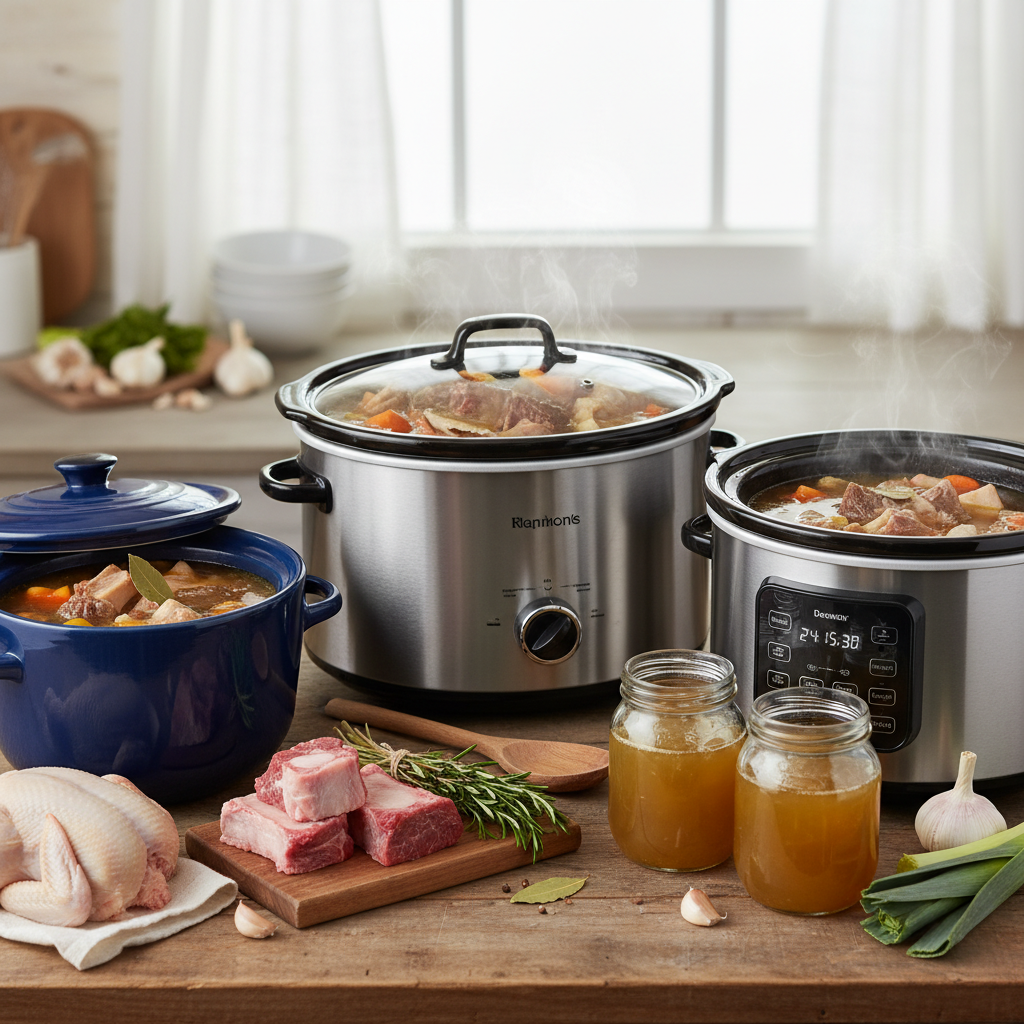
Discovering a crack in your beloved slow cooker’s stoneware insert can be a disheartening moment for any home cook. This essential kitchen appliance, cherished for its ability to deliver tender, flavorful meals with minimal effort, seems suddenly compromised. While the urge to mend and restore might be strong, especially with a favorite pot, the safety implications of a cracked slow cooker insert are significant and demand careful consideration. It’s crucial to understand why attempting to “fix” a cracked insert for continued cooking use is generally not recommended, and what your safest and most practical options are to get back to slow cooking your favorite dishes.
Understanding Slow Cooker Stoneware Cracks
Slow cooker inserts are typically made from ceramic or stoneware, materials known for their ability to retain and distribute heat evenly. However, these materials are also susceptible to cracking under certain conditions.
What Causes Cracks in Slow Cooker Inserts?
The primary culprit behind cracks in slow cooker stoneware is often thermal shock. This occurs when there’s a rapid and extreme change in temperature, causing the material to expand or contract too quickly. Common scenarios include:
- Sudden Temperature Changes: Placing a hot stoneware insert directly into cold water or adding frozen ingredients to a pre-heated pot can stress the ceramic. Similarly, taking an insert straight from the refrigerator and placing it into a hot slow cooker base without allowing it to reach room temperature can lead to cracks.
- Direct Heat Exposure: Using the stoneware insert directly on a stovetop burner, unless explicitly stated as safe by the manufacturer, can cause it to crack due to intense, uneven heat.
- Impact Damage: Accidental drops or bumps, even seemingly minor ones, can create internal fractures that may not be immediately visible but can worsen over time and with heat exposure.
|
Our Picks for the Best Slow cooker in 2026
As an Amazon Associate I earn from qualifying purchases.
|
||
| Num | Product | Action |
|---|---|---|
| 1 | Crock-Pot 7-Quart Manual Slow Cooker, Family Size Serves 8+ People or Fits 6-lb Roast, Removable Stoneware with Warming Setting, Dishwasher Safe for Easy Cleanup, Charcoal |

|
| 2 | Hamilton Beach Slow Cooker, Extra Large 10 Quart, Stay or Go Portable With Lid Lock, Dishwasher Safe Crock, Black (33195) |
|
| 3 | Ninja® 12-in-1 PossibleCooker™ PLUS | 8.5-qt - Sous Vide & Proof Multi-Cooker | Slow Cooker, Dutch Oven & More | Glass Lid & Integrated Spoon | Nonstick | Oven Safe Pot to 500°F | Black | MC1010 |
|
| 4 | Crock-pot Express Crock Slow Cooker 8 quart Red |
|
| 5 | Crock-Pot 7 Quart Oval Manual Slow Cooker, Stainless Steel (SCV700-S-BR), Versatile Cookware for Large Families or Entertaining |
|
| 6 | Hamilton Beach 6-Quart Slow Cooker with 3 Cooking Settings, Dishwasher-Safe Stoneware Crock & Glass Lid, Silver (33665G) |
|
| 7 | Crock-Pot Large 8-Quart Programmable Slow Cooker with Auto Warm Setting Black Stainless Steel |
|
| 8 | Sweetcrispy 16-in-1 Electric Pressure Cooker 6QT, 12-Preset Multi Cookers with Ceramic Pot, Slow Cook Rice Steamer Sauté Soup Yogurt Maker and More, Recipe Book |
|
| 9 | Instant Pot Duo 7-in-1 Electric Pressure Cooker, Slow Cooker, Rice, Steamer, Sauté, Yogurt Maker, Warmer & Sterilizer, Includes App With Over 800 Recipes, Stainless Steel, 6 Quart |
|
| 10 | Crock-Pot 6 Quart Cook & Carry Programmable Slow Cooker with Digital Timer Stainless Steel (CPSCVC60LL-S) pack of 1 |
|
Types of Cracks
Cracks can range in severity:
- Hairline Cracks (Spider Cracks): These are minor surface defects, often in the glaze layer, and may not go all the way through the stoneware. While some sources suggest these might not pose an immediate safety hazard if they don’t catch your fingernail, any crack can potentially compromise the integrity of the pot.
- Full Cracks: These extend through the entire thickness of the stoneware, making the pot structurally unsound and unsafe for continued use.
Regardless of the type, a crack in the stoneware insert signals a compromise in its structure and raises important safety questions for cooking.
The Risks of Using a Cracked Slow Cooker
When a slow cooker insert develops a crack, its suitability for safely preparing food is severely diminished. The continuous exposure to heat, moisture, and food can turn a seemingly minor issue into a significant hazard.
Food Safety Concerns
- Chemical Leaching: While some adhesives are labeled “food-safe” for general ceramic repair, they are typically not designed to withstand prolonged exposure to the high temperatures, moisture, and varied acidity levels present during slow cooking. There’s a risk that chemicals from the adhesive could leach into your food over time, posing health risks.
- Bacterial Contamination: Cracks create small crevices and unglazed surfaces where food particles can become trapped. These areas are incredibly difficult to clean thoroughly, providing ideal breeding grounds for bacteria, which can contaminate your meals.
- Ceramic Shards in Food: A cracked insert is structurally weakened. Under the stress of heating and cooling cycles, or even just during stirring, small pieces of ceramic could flake off and end up in your food.
Structural Integrity and Appliance Safety
- Risk of Shattering: The primary danger of a cracked slow cooker insert is its potential to shatter or completely fail during use. The constant thermal expansion and contraction can exacerbate an existing crack, leading to sudden breakage. This can result in a ruined meal, a significant mess, and a risk of injury from hot food and ceramic shards.
- Leaks and Electrical Hazards: A crack that extends through the stoneware can allow liquids to leak into the slow cooker’s electrical base. This not only damages the heating element and other internal components but also creates a serious electrical hazard, including the risk of short circuits or fire.
Why “Fixing” a Cracked Slow Cooker Insert for Cooking is Not Recommended
Despite the desire to extend the life of a cherished appliance, attempting to repair a cracked slow cooker stoneware insert for cooking purposes is widely advised against by experts and manufacturers alike.
The high heat, prolonged cooking times, and constant moisture within a slow cooker create an environment that most adhesives simply aren’t designed to withstand safely and reliably. Even if an adhesive claims to be food-safe, its certification rarely extends to the extreme and continuous conditions of slow cooking, especially when the adhesive is in direct contact with food.
“If food will touch it – toss it. Thermal changes during use can cause it to seriously fail/shatter in use, ruining your food.” – Reddit User, r/slowcooking
Traditional ceramic repair methods, like Kintsugi (the Japanese art of repairing broken pottery with lacquer dusted with powdered gold), are beautiful and can restore an item’s aesthetic value. However, these methods are not typically suitable for items that will undergo the rigorous thermal cycling and food contact inherent in slow cooking. The goal of Kintsugi is often aesthetic and philosophical, not necessarily functional food safety in a high-temperature cooking environment.
Ultimately, the potential risks to your health and the safety of your home far outweigh any perceived benefits of a repaired insert. The integrity of the material is fundamentally compromised, and no glue or sealant can truly restore the stoneware to its original, safe, and durable condition for cooking.
Your Best Options: Replacing or Repurposing
Once you discover a crack in your slow cooker stoneware, the safest and most practical course of action is either to replace the insert or repurpose the damaged one for non-food use.
Replacement Inserts
This is the recommended solution if your slow cooker’s base unit is still in good working order.
- Contact the Manufacturer: The first step is to check the manufacturer’s website or contact their customer service. Many brands offer replacement stoneware inserts specifically designed for their slow cooker models. This ensures a perfect fit and maintains the appliance’s safety standards. Replacement crocks often cost between $20-$50, making it a cost-effective alternative to buying a whole new unit.
- Online Retailers: Websites like Amazon, eBay, or specialized appliance parts stores may also carry replacement inserts for various brands and models. Ensure you match the model number exactly to guarantee compatibility.
- Check Warranty: If your slow cooker is relatively new, check if the damage is covered under warranty. You might be eligible for a free replacement insert or even a new unit.
When to Consider a New Slow Cooker
Sometimes, purchasing a new slow cooker might be more practical than replacing just the insert:
- Cost Comparison: Compare the price of a replacement insert with the cost of a brand-new, entry-level slow cooker. In some cases, a new unit might be only slightly more expensive or even cheaper than a replacement part.
- Age of Appliance: If your slow cooker base is very old, showing signs of wear, or experiencing inconsistent heating, it might be time to upgrade to a new model for improved safety and efficiency.
- New Features: A new slow cooker might offer updated features like programmable settings, digital timers, or automatic warm functions that your old model lacked.
Thrift Store Finds
For budget-conscious individuals, local thrift stores, second-hand shops, or online marketplaces can be a treasure trove. You might find a perfectly good used slow cooker of the same brand and size for a fraction of the cost, from which you can use the insert. Always inspect any used items thoroughly for damage before purchase.
Creative Repurposing
If replacing the insert isn’t an option, or if you simply want to give your cracked stoneware a new life, consider repurposing it for non-food uses. This is an excellent way to prevent it from ending up in a landfill.
- Planter: A cracked stoneware insert makes an excellent planter for herbs, flowers, or succulents. The crack can even provide natural drainage.
- Decorative Storage: Use it to hold craft supplies, toys, pet food, or as a rustic decorative piece.
- Compost Bin: For a small kitchen compost bin, a stoneware insert can be a stylish and functional choice.
- Craft Projects: With a bit of creativity, you can transform the cracked pot into various art or craft items.
Preventing Cracks in Your Slow Cooker Stoneware
While accidents happen, many cracks can be prevented by following proper care and usage guidelines. Extending the lifespan of your slow cooker starts with mindful habits.
Temperature Management
- Avoid Sudden Temperature Changes: This is the golden rule for stoneware longevity. Never pour cold water into a hot stoneware insert, and always allow the insert to cool down completely before washing it after use.
- Thaw Frozen Foods: Always thaw meat and poultry completely before adding them to your slow cooker. Placing frozen food directly into a hot pot creates thermal shock.
- Room Temperature Rule: When preparing ingredients ahead of time and storing them in the insert in the refrigerator, always let the stoneware come to room temperature before placing it into the heated slow cooker base.
- No Stovetop Use: Unless specifically stated in your slow cooker’s manual, never place the stoneware insert directly on a stovetop burner, as this can cause it to crack. Some inserts are oven or microwave-safe, but always check the user guide first.
Careful Handling and Storage
- Gentle Handling: Stoneware is durable but not indestructible. Avoid dropping the insert or banging it against hard surfaces, which can cause impact damage.
- Use Liners: Slow cooker liners can be a great preventative measure. They not only make cleanup easier but also add an extra layer of protection, preventing food from coming into contact with any potential hairline cracks or preventing leaks if a crack develops during cooking.
- Proper Storage: Store the stoneware insert securely to prevent accidental falls or impacts. Avoid stacking heavy items on top of it.
Cleaning and Maintenance
- Soak, Don’t Scrub Harshly: For stuck-on food, soak the insert in warm, soapy water instead of using abrasive scrubbers that could scratch the surface and potentially lead to micro-cracks over time.
- Address Stains: If you notice white marks or stains that resemble cracks but are actually food residue, soak the affected area in a solution of vinegar or lemon juice and warm water (1 part vinegar/lemon juice to 4 parts water) for about 30 minutes.
By implementing these preventative measures, you can significantly reduce the risk of cracks and ensure your slow cooker serves you safely for many years to come.
Top Tips for Slow Cooker Longevity
Beyond preventing cracks, a few general practices can contribute to the overall lifespan and performance of your slow cooker:
- Read the Manual: Your slow cooker’s user manual contains specific care instructions, temperature guidelines, and safety warnings unique to your model. Always refer to it.
- Regular Inspection: Periodically inspect your stoneware insert for any signs of hairline cracks, chips, or damage. Early detection allows for a safer transition to a replacement or repurposing.
- Avoid Overfilling: Do not fill your slow cooker more than two-thirds to three-quarters full. Overfilling can lead to spills, inefficient cooking, and added pressure on the stoneware.
- Proper Lid Fit: Ensure your lid fits snugly. While slow cookers are not designed to be airtight, a proper fit is essential for heat retention and efficient cooking.
Conclusion
While the disappointment of a cracked slow cooker stoneware insert is understandable, the consensus is clear: attempting to fix it for continued cooking is not a safe or recommended practice. The risks of chemical leaching, bacterial contamination, and catastrophic structural failure during use are simply too high.
Instead, prioritize your family’s safety and your peace of mind. Your best course of action is to replace the cracked insert with a new one from the manufacturer or consider investing in a new slow cooker altogether. Alternatively, embrace the opportunity to repurpose the damaged stoneware into a functional or decorative item for your home. By understanding the causes of cracks and implementing preventative care, you can ensure your slow cooker remains a safe and reliable workhorse in your kitchen for countless delicious meals to come.
What steps will you take to ensure your slow cooking adventures are always safe and satisfying?
Frequently Asked Questions
Is it safe to use a slow cooker with a hairline crack?
Even hairline cracks, also known as spider cracks, can compromise the integrity of the stoneware over time, especially with repeated heating and cooling cycles. While they may not immediately leak, they can expand and eventually lead to more severe breakage, posing safety and food contamination risks. It is generally safest to replace an insert with any type of crack.
Can I repair a cracked slow cooker insert with epoxy or super glue?
While various glues and epoxies can repair ceramics, most are not designed to withstand the prolonged high temperatures, moisture, and food contact inherent in slow cooking. Even “food-safe” labels rarely apply to these specific conditions, meaning chemicals could leach into your food, and the repair itself might fail under heat stress.
Why do slow cooker inserts crack easily?
Slow cooker inserts often crack due to sudden and extreme temperature changes, known as thermal shock. This can happen if a hot insert is exposed to cold water, frozen food is added to a hot pot, or the insert is used on a direct stovetop burner. Impact damage from drops can also cause cracks.
Where can I find a replacement stoneware insert for my slow cooker?
You can usually find replacement stoneware inserts directly from your slow cooker’s manufacturer website or by contacting their customer service. Major online retailers and appliance parts stores may also carry them. Be sure to match your slow cooker’s model number for a compatible fit.
What can I do with a cracked slow cooker insert if I can’t use it for cooking?
A cracked slow cooker insert can be safely repurposed for many non-food uses. Popular options include using it as a planter for indoor or outdoor plants, a decorative storage container for household items, or even as a creative base for various craft projects.