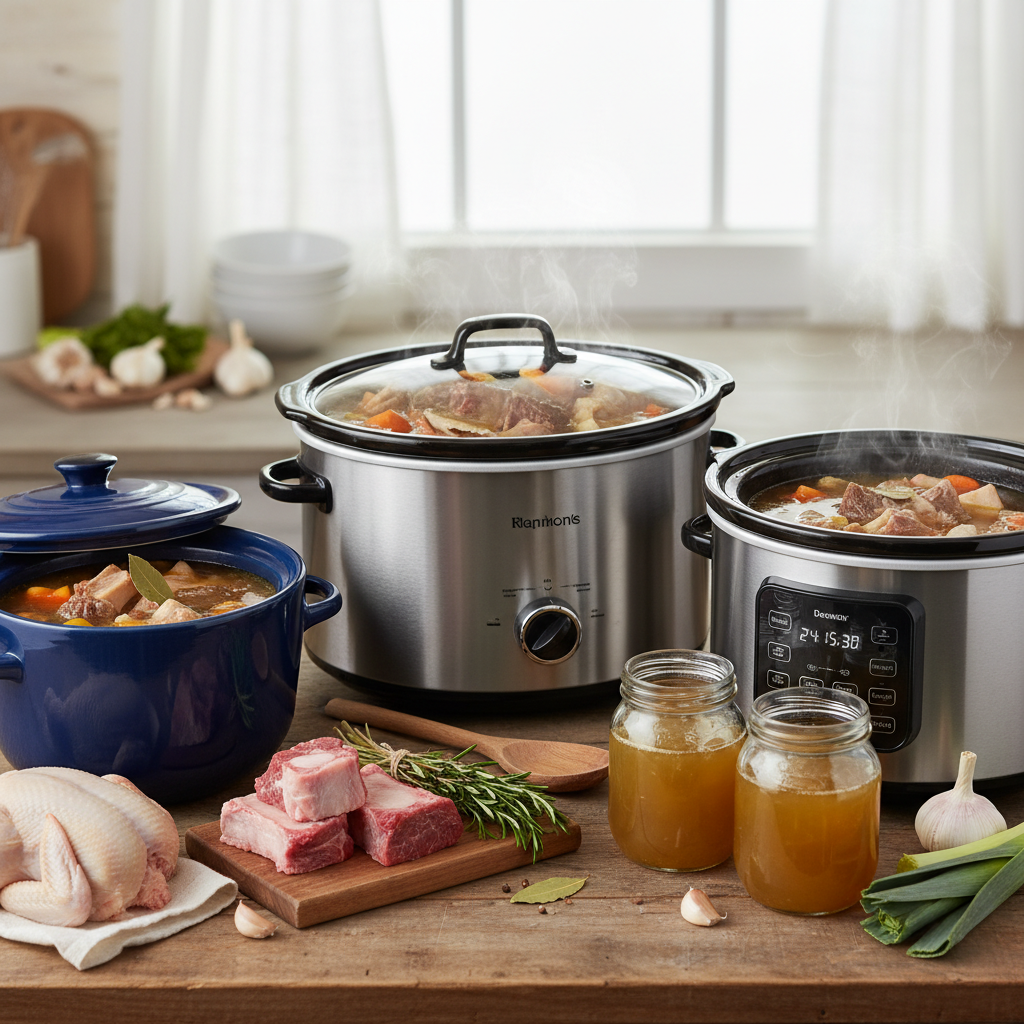
Slow cookers have become an indispensable part of modern kitchens, transforming tough cuts of meat and humble ingredients into tender, flavorful meals with minimal effort. As you consider adding this culinary workhorse to your appliance arsenal, a key question often arises: how long will it last? Delving into the world of manual versus digital slow cookers reveals interesting insights into their longevity, driven by their design, features, and how they handle the rigors of daily cooking.
An Overview of Slow Cookers
A slow cooker, often generically called a Crock-Pot, is an electric cooking appliance that simmers food at a low temperature for an extended period. This method excels at tenderizing meats and melding flavors, making it ideal for stews, soups, roasts, and chilis. The concept dates back to the early 20th century, with the modern slow cooker gaining popularity in the 1970s. Initially, these appliances were simple, featuring basic on/off switches and low/high settings. Over time, technology evolved, leading to the introduction of digital and programmable models that offer enhanced control and convenience. Today, you’ll find a range of slow cookers, from the straightforward manual versions to sophisticated multi-cookers with slow cook functions, each catering to different cooking styles and needs.
The Enduring Simplicity of Manual Slow Cookers
Manual slow cookers represent the classic, no-frills approach to slow cooking. Typically, they feature a simple dial with settings like “Low,” “High,” and sometimes “Warm.” You turn it on, select your desired heat level, and it continues to cook until you manually turn it off. This straightforward design is often cited as the primary reason for their impressive durability and longevity.
With fewer electronic components, there are simply fewer things that can break. Users frequently report manual slow cookers lasting for decades, sometimes even inherited across generations, still performing reliably. This mechanical simplicity makes them robust and less susceptible to the wear and tear that can plague more complex electronics. Another notable advantage is their resilience during power interruptions. If the power flickers or goes out momentarily, a manual slow cooker will typically resume cooking once electricity is restored, picking up right where it left off without losing its settings. This makes them a dependable choice, especially in areas prone to power fluctuations. While they lack an automatic shut-off, some clever cooks pair them with an external appliance timer to mimic programmable functionality, offering the best of both worlds: simplicity and timed cooking.
“For sheer reliability and a ‘set it and forget it’ attitude, manual slow cookers often win the marathon, not the sprint.”
The Advanced Features and Potential Vulnerabilities of Digital Slow Cookers
Digital slow cookers elevate the slow cooking experience with a range of convenient features. These models typically boast digital displays, built-in timers, and often automatically switch to a “Warm” setting once the programmed cooking time is complete. This “set-and-forget” functionality is a huge draw for busy individuals who want to return home to a perfectly cooked meal without worrying about overcooking. Many digital models also offer more precise temperature control and additional functions like “Sauté” or specialized settings for different types of food, some even include thermometer probes for exact internal temperature monitoring.
However, this increased convenience often comes with a trade-off in potential longevity. The more sophisticated the electronics, the more points of failure exist. Components such as circuit boards, digital displays, and internal capacitors are susceptible to wear, heat stress, or power surges. Some users have experienced programmable units failing after a relatively short period, sometimes just beyond the warranty period. Unlike their manual counterparts, digital slow cookers can be vulnerable to power outages. A brief power interruption can cause the digital settings to reset, turning the appliance off and potentially compromising food safety if left unattended. While the advanced features offer flexibility and precision, the inherent complexity of digital components can sometimes mean a shorter lifespan compared to the rugged simplicity of manual models.
Factors Influencing Slow Cooker Lifespan (Regardless of Type)
Beyond the manual versus digital debate, several universal factors significantly impact how long any slow cooker will last:
- Frequency of Use: A slow cooker used multiple times a week will naturally experience more wear and tear than one used only occasionally.
- Maintenance and Cleaning: Proper care is crucial. Regularly cleaning the stoneware or cooking pot and the heating base, avoiding harsh abrasives, and following manufacturer instructions for care and storage can prevent premature deterioration and extend the appliance’s life.
- Quality of Materials: The construction quality of both the outer casing and the inner pot plays a vital role. Ceramic stoneware, while excellent for even heating, can crack if subjected to sudden temperature changes or physical impact. Metal inserts, found in some newer models, may be more durable against drops but can scratch. A well-fitting lid is also essential for efficient cooking and preventing heat loss.
- Brand Reputation: Reputable brands often use higher-quality components and offer better support, potentially leading to a longer-lasting product.
- Physical Damage: Accidental drops or impacts can crack stoneware inserts or damage internal electrical components, regardless of the cooker type.
- Heating Element Health: Over time, the heating element can become less efficient, failing to reach or maintain food-safe temperatures. This is a critical safety concern that signals the end of a slow cooker’s useful life.
Signs It’s Time to Replace Your Slow Cooker
Even the most durable slow cooker won’t last forever. Recognizing the signs of an aging or failing appliance is essential for both safety and optimal cooking performance.
- Not Reaching Food-Safe Temperatures: This is arguably the most critical sign. A slow cooker must maintain temperatures above 185°F (85°C) to safely cook food and prevent bacterial growth. If food is consistently undercooked or barely warm after the recommended cooking time, it’s time for a replacement.
- Damaged Cord or Plug: Frayed cords, exposed wires, or a loose plug are significant fire hazards and immediate indicators that the appliance should be retired. Older models with fabric-wrapped cords should also be replaced, as they don’t meet current safety standards.
- Cracked or Leaky Stoneware Insert: Cracks, even hairline ones, can harbor bacteria and eventually lead to leaks, posing a safety risk and making the appliance unusable.
- Poorly Fitting or Warped Lid: A lid that doesn’t seal snugly allows steam and heat to escape, leading to longer cooking times, dry food, and inefficient operation.
- Inconsistent Heating: If food cooks unevenly, with some parts burnt and others undercooked, the heating element may be failing.
- Digital Display or Controls Not Working: For digital models, a blank display, unresponsive buttons, or erratic programming means the electronic brain of the cooker is compromised.
Choosing the Right Slow Cooker for Your Durability Needs
When deciding between a manual and a digital slow cooker, consider your lifestyle and priorities.
- For maximum longevity and simplicity, a manual slow cooker is often the best choice. Its robust, mechanical nature means fewer things can go wrong, and it can serve you faithfully for many years, potentially decades. If you are typically home to monitor cooking or are comfortable using an external timer, a manual model offers excellent value and reliability.
- For ultimate convenience and precision, a digital slow cooker excels. Its programmable features free up your schedule and reduce the risk of overcooking, making it ideal for busy households. While they may not match the multi-decade lifespan of some manual models, many high-quality digital slow cookers are built to last for a significant period with proper care. Look for models from reputable brands with solid warranties.
Ultimately, the “best” slow cooker balances durability with the features that genuinely enhance your cooking experience. Both types offer unique advantages, and understanding these can guide you to a choice that will serve your kitchen well for years to come.
Top Picks for Longevity and Performance
When seeking a slow cooker built to last, consider models renowned for their construction and reliability:
- For Manual Simplicity: Look for basic, robust models with sturdy, non-removable heating elements and durable stoneware inserts. These often feature simple dials, prioritizing function over elaborate features. Brands known for their foundational slow cooker models frequently offer excellent manual options that stand the test of time.
- For Digital Dependability: Choose digital slow cookers from well-established brands that offer good warranties and have positive reviews regarding long-term performance. Focus on models with clear, intuitive digital interfaces and features that you will genuinely use, avoiding unnecessary complexities that could introduce failure points. Stainless steel exteriors and high-quality ceramic inserts are often indicators of better overall build quality.
Tips for Extending Your Slow Cooker’s Lifespan
To ensure your slow cooker, whether manual or digital, enjoys a long and productive life in your kitchen, integrate these simple tips into your routine:
- Handle with Care: The stoneware insert is often the most fragile component. Avoid dropping it and be gentle when placing it into or removing it from the heating base.
- Avoid Extreme Temperature Changes: Do not place a hot stoneware insert directly into cold water or a cold insert into a preheated oven, as this can cause cracking. Allow it to cool gradually.
- Clean Properly: Always refer to your manual for specific cleaning instructions. Most removable stoneware inserts and lids are dishwasher-safe, but the heating base should only be wiped clean with a damp cloth. Avoid abrasive cleaners or scouring pads that can damage surfaces.
- Store Safely: Ensure the slow cooker is completely dry before storing. Store it in a place where it won’t be knocked over, and consider placing a soft cloth between the lid and the stoneware to prevent scratches and chips.
- Check for Damage Regularly: Periodically inspect the cord, plug, lid, and stoneware for any signs of wear, cracks, or damage. Early detection can prevent safety hazards or further deterioration.
- Don’t Overfill: Adhere to the manufacturer’s guidelines for filling capacity (usually 2/3 to 3/4 full) to prevent boil-overs and ensure efficient, safe cooking.
Frequently Asked Questions
What is the average lifespan of a slow cooker?
|
Our Picks for the Best Slow cooker in 2026
As an Amazon Associate I earn from qualifying purchases.
|
||
| Num | Product | Action |
|---|---|---|
| 1 | Crock-Pot 7 Quart Oval Manual Slow Cooker, Stainless Steel (SCV700-S-BR), Versatile Cookware for Large Families or Entertaining |

|
| 2 | Sweetcrispy 16-in-1 Electric Pressure Cooker 6QT, 12-Preset Multi Cookers with Ceramic Pot, Slow Cook Rice Steamer Sauté Soup Yogurt Maker and More, Recipe Book |
|
| 3 | Crock-Pot Large 8-Quart Programmable Slow Cooker with Auto Warm Setting Black Stainless Steel |
|
| 4 | Ninja® 12-in-1 PossibleCooker™ PLUS | 8.5-qt - Sous Vide & Proof Multi-Cooker | Slow Cooker, Dutch Oven & More | Glass Lid & Integrated Spoon | Nonstick | Oven Safe Pot to 500°F | Black | MC1010 |
|
| 5 | Crock-Pot 7-Quart Manual Slow Cooker, Family Size Serves 8+ People or Fits 6-lb Roast, Removable Stoneware with Warming Setting, Dishwasher Safe for Easy Cleanup, Charcoal |
|
| 6 | Hamilton Beach Slow Cooker, Extra Large 10 Quart, Stay or Go Portable With Lid Lock, Dishwasher Safe Crock, Black (33195) |
|
| 7 | Instant Pot Duo 7-in-1 Electric Pressure Cooker, Slow Cooker, Rice, Steamer, Sauté, Yogurt Maker, Warmer & Sterilizer, Includes App With Over 800 Recipes, Stainless Steel, 6 Quart |
|
| 8 | Crock-pot Express Crock Slow Cooker 8 quart Red |
|
| 9 | Hamilton Beach 6-Quart Slow Cooker with 3 Cooking Settings, Dishwasher-Safe Stoneware Crock & Glass Lid, Silver (33665G) |
|
| 10 | Crock-Pot 6 Quart Cook & Carry Programmable Slow Cooker with Digital Timer Stainless Steel (CPSCVC60LL-S) pack of 1 |
|
On average, a slow cooker can last between six to ten years. However, well-maintained manual models can often exceed this, with some users reporting them lasting for decades due to their simple and robust design.
Are manual slow cookers more durable than digital ones?
Generally, yes. Manual slow cookers tend to be more durable because they have fewer electronic components that can fail. Their simpler mechanical controls are less prone to breaking down compared to the complex circuit boards and digital displays found in programmable models.
Can a power outage affect my slow cooker?
Yes, a power outage can affect slow cookers differently. Manual slow cookers will typically resume cooking once power is restored. However, digital or programmable slow cookers may reset their settings and remain off after an outage, which can be a food safety concern if unattended.
How can I tell if my slow cooker is no longer safe to use?
You should replace your slow cooker if it doesn’t heat food to a safe temperature (at least 185°F/85°C), has a damaged or frayed power cord, a cracked or leaking stoneware insert, a lid that doesn’t fit properly, or if its digital controls are malfunctioning.
Is it worth investing in a more expensive slow cooker for better longevity?
While price doesn’t always guarantee longevity, investing in a slow cooker from a reputable brand known for quality and durability can often lead to a longer-lasting appliance. Higher-priced models may use better materials and construction, but manual, mid-range options often provide excellent durability for their cost.
Can I replace parts of my slow cooker to extend its life?
Some parts, like stoneware inserts or lids, might be replaceable depending on the brand and model. However, internal electrical components, especially in digital units, are often not easily repairable by the average user. If the heating element or digital controls fail, it’s generally more practical to replace the entire unit.