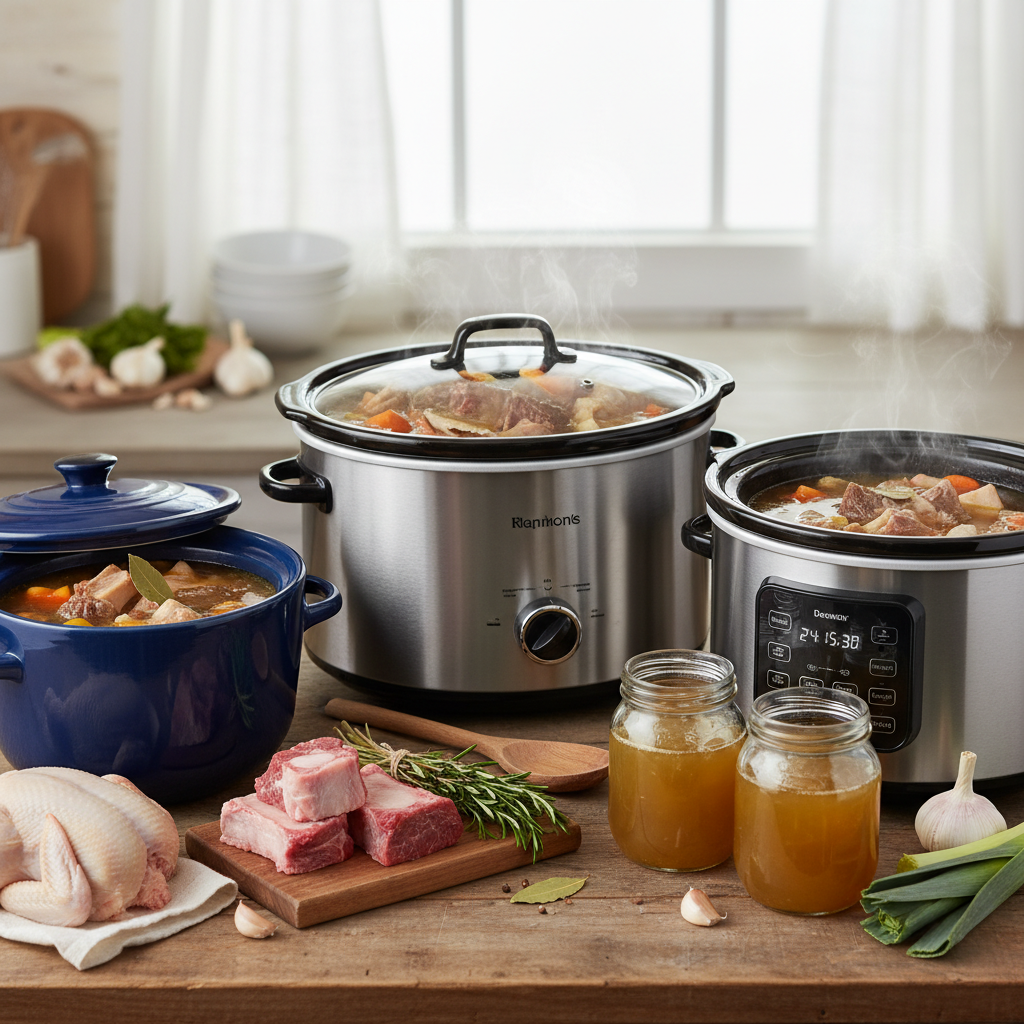
Imagine walking into your home after a long day, greeted by the comforting aroma of a perfectly cooked meal. The meat is so tender it falls apart with just a fork, and every bite is bursting with rich, deep flavor. This isn’t just a dream; it’s the everyday reality for those who understand the often-underestimated power of the slow cooker, particularly the magic of condensation. Far from being a mere byproduct, the moisture trapped within your slow cooker is a culinary superhero, transforming humble ingredients into extraordinary dishes.
The Science Behind Slow Cooker Condensation
At its core, a slow cooker operates on a simple yet highly effective principle: low, consistent heat over an extended period in a tightly sealed environment. This sealed nature is crucial, as it traps the steam generated from the cooking liquids and the meat’s own natural juices. As this steam rises and meets the cooler surface of the lid, it condenses back into liquid, creating a continuous cycle of moisture. This high-humidity, steamy environment acts like a natural braising chamber, bathing your ingredients in liquid and steam, rather than exposing them to dry, circulating air like an oven. This constant reintroduction of moisture back into the pot is what makes condensation a fundamental player in the slow-cooking process.
Unlocking Unparalleled Tenderness
One of the most celebrated outcomes of slow cooking is the incredible tenderness it imparts to meat, especially tougher, less expensive cuts. This transformation is largely thanks to the consistent presence of condensation. Meat, particularly cuts like brisket, pork shoulder, and chuck roast, contains a significant amount of collagen – a tough, fibrous connective tissue.
When these cuts are subjected to dry, high heat, the collagen can contract and become even tougher. However, under the moist, low-heat conditions of a slow cooker, something remarkable happens. The prolonged exposure to steam and liquid gradually breaks down this stubborn collagen, converting it into rich, silky gelatin. This gelatin then melts into the meat, lubricating the muscle fibers and creating that coveted “fall-apart” texture. Condensation ensures this process occurs efficiently, facilitating the breakdown without drying out the meat’s exterior, allowing even the most resilient cuts to become effortlessly succulent.
Preserving Juiciness and Enhancing Flavor
Beyond tenderness, condensation plays a vital role in maintaining the meat’s inherent juiciness and intensifying its flavor profile. In conventional cooking methods, moisture often evaporates, taking with it precious juices and aromatic compounds. The slow cooker, however, is designed to minimize this loss. The sealed lid and the resulting condensation create a humid microclimate that dramatically reduces evaporation from the meat itself. This means that the natural juices remain locked within the muscle fibers, resulting in a more succulent and moist final product.
Moreover, the trapped steam and condensing liquid act as a vehicle for flavor. As aromatic compounds from your herbs, spices, vegetables, and cooking liquids vaporize, they are held within the pot, circulating and infusing back into the meat and the rest of the dish. This allows flavors to meld and deepen over hours, creating a complex and harmonious taste that simply can’t be rushed. The even heat distribution facilitated by the steam also ensures that every part of the meat cooks uniformly, contributing to a consistently delicious outcome.
Beyond Tenderness: Additional Benefits
The advantages of condensation in slow cooking extend beyond just taste and texture.
- Food Safety: The combination of consistent low heat, lengthy cooking times, and the pervasive steam within the sealed container works effectively to destroy bacteria, making slow cooking a remarkably safe method for preparing food.
- Energy Efficiency: By trapping heat and moisture, slow cookers are generally more energy-efficient than traditional ovens for extended cooking periods, as less energy is lost to the environment.
- Convenience and Consistency: The humid environment created by condensation provides a forgiving cooking medium. You can “set it and forget it” with confidence, knowing that the meat will remain moist and tender without constant supervision, even during long cooking cycles. This consistency makes slow cooking ideal for busy individuals seeking reliable, delicious results.
Maximizing Condensation’s Power in Your Slow Cooker
To fully harness the benefits of condensation, a few best practices can elevate your slow-cooked dishes:
- Resist the Urge to Lift the Lid: Every time you peek inside your slow cooker, you release a significant amount of trapped steam and heat. This not only lengthens the cooking time but also disrupts the crucial humid environment, potentially leading to drier meat.
- Choose the Right Amount of Liquid: While condensation is key, avoid overfilling your slow cooker with liquids. Meat and many vegetables release their own moisture during cooking, and too much initial liquid can result in a watery sauce or diluted flavors. Aim for enough liquid to partially submerge the meat, allowing the rising steam to do the rest of the work.
- Select Appropriate Cuts: Tougher cuts of meat with more connective tissue are prime candidates for slow cooking, as they benefit most from the collagen-to-gelatin conversion facilitated by condensation. Leaner cuts like chicken breast can still be slow-cooked, but require shorter times to avoid becoming dry.
- Consider Searing First: While not directly related to condensation, searing meat before adding it to the slow cooker can add a layer of complex flavor and create a desirable crust through the Maillard reaction, complementing the moist, tender interior.
“The true artistry of slow cooking lies in its ability to transform the most unyielding cuts into meltingly tender delights. This isn’t magic; it’s a testament to the power of controlled moisture and time, where condensation plays the starring role.”
Conclusion
Condensation in your slow cooker is far more than just droplets on the lid; it’s the silent architect of tender, juicy, and flavorful meat. By creating a high-humidity, self-basting environment, it ensures collagen breaks down into succulent gelatin, prevents moisture loss, and amplifies the inherent flavors of your ingredients. Understanding and appreciating this natural process allows you to confidently prepare nourishing, mouthwatering meals with minimal effort. So, the next time you marvel at a perfectly cooked slow-cooker dish, remember to thank the humble condensation for its indispensable contribution. What culinary masterpiece will you create with your slow cooker next?
Frequently Asked Questions
Why does my slow cooker meat sometimes turn out dry despite using liquid?
|
Our Picks for the Best Slow cooker in 2026
As an Amazon Associate I earn from qualifying purchases.
|
||
| Num | Product | Action |
|---|---|---|
| 1 | Sweetcrispy 16-in-1 Electric Pressure Cooker 6QT, 12-Preset Multi Cookers with Ceramic Pot, Slow Cook Rice Steamer Sauté Soup Yogurt Maker and More, Recipe Book |

|
| 2 | Crock-Pot 7-Quart Manual Slow Cooker, Family Size Serves 8+ People or Fits 6-lb Roast, Removable Stoneware with Warming Setting, Dishwasher Safe for Easy Cleanup, Charcoal |
|
| 3 | Hamilton Beach 6-Quart Slow Cooker with 3 Cooking Settings, Dishwasher-Safe Stoneware Crock & Glass Lid, Silver (33665G) |
|
| 4 | Hamilton Beach Slow Cooker, Extra Large 10 Quart, Stay or Go Portable With Lid Lock, Dishwasher Safe Crock, Black (33195) |
|
| 5 | Crock-pot Express Crock Slow Cooker 8 quart Red |
|
| 6 | Crock-Pot Large 8-Quart Programmable Slow Cooker with Auto Warm Setting Black Stainless Steel |
|
| 7 | Ninja® 12-in-1 PossibleCooker™ PLUS | 8.5-qt - Sous Vide & Proof Multi-Cooker | Slow Cooker, Dutch Oven & More | Glass Lid & Integrated Spoon | Nonstick | Oven Safe Pot to 500°F | Black | MC1010 |
|
| 8 | Crock-Pot 6 Quart Cook & Carry Programmable Slow Cooker with Digital Timer Stainless Steel (CPSCVC60LL-S) pack of 1 |
|
| 9 | Instant Pot Duo 7-in-1 Electric Pressure Cooker, Slow Cooker, Rice, Steamer, Sauté, Yogurt Maker, Warmer & Sterilizer, Includes App With Over 800 Recipes, Stainless Steel, 6 Quart |
|
| 10 | Crock-Pot 7 Quart Oval Manual Slow Cooker, Stainless Steel (SCV700-S-BR), Versatile Cookware for Large Families or Entertaining |
|
Even with liquid, meat can become dry if it’s overcooked or if you’re using a very lean cut. The low-and-slow method is best for tougher cuts with connective tissue that needs time to break down. For leaner meats, adjust cooking times to prevent them from losing too much internal moisture.
Is it bad if my slow cooker lid accumulates a lot of condensation?
No, it’s generally a good thing! The condensation indicates that your slow cooker is maintaining a high-humidity environment, which is crucial for keeping meat moist and tender. Only if the condensation drips excessively into the pot and significantly dilutes your sauce might you consider reducing initial liquid.
How does condensation help tenderize tough cuts of meat?
Condensation, along with the low heat, facilitates the conversion of tough collagen in connective tissues into gelatin. This gelatin then permeates the meat, making it incredibly tender and juicy, a process that wouldn’t happen as effectively in a dry cooking environment.
Should I add water to my slow cooker to create more condensation?
You typically don’t need to add extra water specifically for condensation if your recipe already calls for a sufficient amount of liquid (broth, sauce, etc.). The moisture from these liquids, combined with the meat’s own juices, will generate plenty of steam within the sealed pot.
Can condensation make my slow cooker food taste watery?
While condensation itself is beneficial, adding too much initial liquid to your slow cooker can lead to a watery result. Meat and vegetables release their own moisture, so start with less liquid than you might think, and the condensation cycle will do its part to keep things moist without diluting flavors.