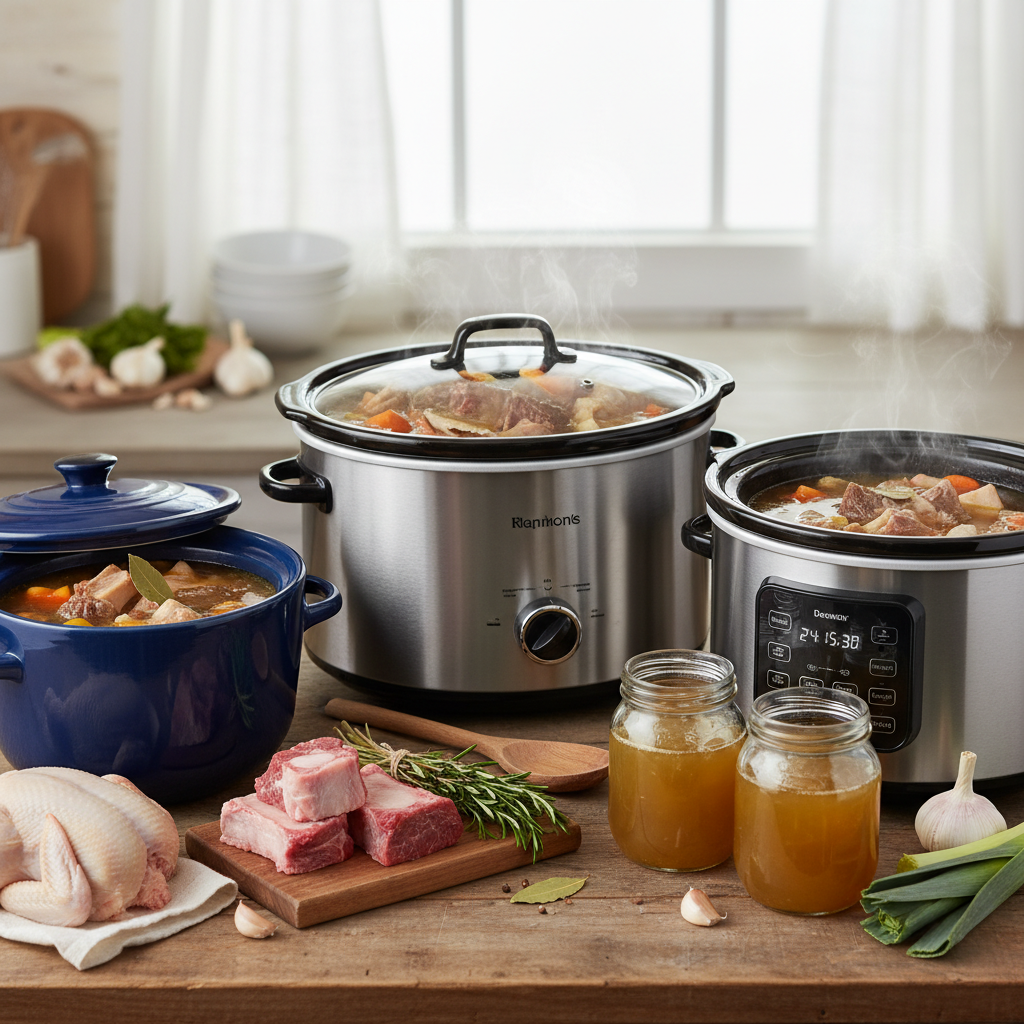
The appeal of vintage kitchenware is undeniable, with its nostalgic charm and often robust construction. Yet, lurking beneath the surface of some beloved old slow cookers, particularly those known as “crock-pots,” can be a hidden danger: lead glaze. This article will delve into the critical reasons why you should exercise caution, understand the risks, and ultimately avoid using slow cookers with lead-based glazes to protect your health and the well-being of your family. It’s time to uncover the facts about this silent threat in your kitchen.
Understanding Lead Glaze in Slow Cookers
Historically, lead was a common ingredient in ceramic glazes. It served as a flux, which helped lower the melting point of the glaze mixture, making it easier to apply and resulting in a brighter, more aesthetically pleasing finish. This practice was prevalent in many types of earthenware, particularly the low-fired ceramic inserts found in older slow cookers. The presence of lead in these glazes becomes problematic because, under certain conditions, the lead can leach out of the ceramic and into the food being cooked. This leaching is accelerated by factors such as prolonged cooking times, high temperatures, and especially the presence of acidic ingredients like tomatoes, citrus, wine, or vinegar in your recipes.
Identifying a potentially lead-glazed slow cooker often involves looking at several indicators. The age of the appliance is a primary concern; the U.S. Food and Drug Administration (FDA) began monitoring lead content in ceramics in 1971, with subsequent regulations in 1979, 1986, and 1991 to further tighten controls. Therefore, slow cookers manufactured before 1971 are highly suspect. Additionally, imported ceramics, particularly those from certain regions like Mexico, Poland, and Southern Europe, were known to use lead glazes and often had less stringent controls, sometimes even as late as the late 1990s. The color of the glaze can also be a clue, as lead was frequently used to create vibrant, brightly colored finishes such as reds, blacks, blues, greens, and dark browns. In contrast, white or natural beige/ivory glazes in US-made slow cookers from after 1971 are generally less likely to contain lead. Finally, the type of ceramic matters: low-fired earthenware is more prone to lead glazes, while high-fired stoneware or porcelain inserts are typically safer.
The Serious Health Risks of Lead Poisoning
Exposure to lead, even in small amounts over time, can have profound and devastating effects on nearly every system in the human body. The lead leached from cookware accumulates in the body, leading to a condition known as lead poisoning. While lead exposure can harm anyone, certain populations are particularly vulnerable. Infants, young children, and developing fetuses face the most significant risks due to their rapidly developing brains and bodies, which are more susceptible to lead’s toxic effects.
The health problems associated with lead poisoning are extensive and can be severe. In children, lead exposure has been linked to learning disabilities, developmental delays, and lower IQ scores. It can also impact growth, cause behavioral problems, and affect hearing. In adults, chronic lead exposure can lead to kidney damage, high blood pressure, reproductive problems, and neurological issues such as memory loss and mood disorders. One of the most insidious aspects of lead poisoning is that symptoms may not always be obvious, especially at lower exposure levels. A child with lead poisoning, for instance, might not appear or act sick, making it a silent threat that can cause irreversible damage before it is even detected. This makes proactive avoidance of lead-contaminated cookware crucial for public health.
How to Test Your Slow Cooker for Lead
Given the potential health risks, determining whether your old slow cooker contains lead glaze is a wise precautionary step. Fortunately, several methods are available, ranging from convenient home testing to more definitive professional analysis.
For an initial assessment, home lead test kits are a popular and accessible option. These kits, often available at home improvement stores, typically involve a swab that changes color in the presence of lead. To use them, you usually need to lightly scrape a small, inconspicuous area of the glaze (often on the underside of the rim or the base of the insert) to expose the underlying layer, then apply the chemical solution from the kit. A color change, usually to red or purple, indicates the presence of lead. While these kits can provide a quick “yes” or “no” answer for peace of mind, it’s important to understand their limitations. They primarily detect the presence of lead but don’t quantify the exact amount or how much might leach into food. Therefore, a positive result should be taken seriously as a warning sign.
For the most accurate and quantitative analysis of lead content, professional laboratory testing is the superior method. Laboratories can perform more sophisticated tests, often involving acid solutions (like the 4% acetic acid solution used by the FDA) to simulate leaching conditions and determine the precise amount of lead that could transfer to food. While more costly and time-consuming, professional testing offers definitive answers for those with significant concerns.
Deciding when to test your slow cooker for lead is critical. If you own an older model, especially one manufactured before 1971 or if it’s an imported ceramic item from before the late 1990s, testing is highly recommended. The presence of bright, vibrant colors in the glaze can also be a red flag. When in doubt, it’s always better to err on the side of caution and test your vintage slow cooker.
Safer Alternatives and Modern Slow Cooker Choices
Choosing a safe slow cooker means looking towards modern alternatives that adhere to current safety standards. Today’s slow cookers are generally a much safer bet, thanks to stricter regulations and improved manufacturing processes. Modern slow cookers manufactured in the United States after 1971, and many imported ones produced after 1997, are typically made with lead-free glazes.
When selecting a new slow cooker, pay attention to the materials used for the cooking insert. High-fired stoneware or ceramic inserts are common in contemporary models and are generally considered safe from lead contamination. Many reputable brands actively advertise their commitment to lead-free glazes. For instance, the original Crock-Pot brand, which popularized slow cooking, has an automated message for callers stating that they use no lead additives in their glazes for newer models. This transparency allows consumers to make informed choices.
If you discover that an old slow cooker tests positive for lead, it doesn’t necessarily mean it needs to be discarded completely. While it should absolutely be retired from food preparation, it can often find new life in non-food-related capacities. Creative repurposing ideas include using it to melt wax for candle making or for lubricating bike parts with paraffin wax. It can also serve as a unique decorative piece in your home. The key is to ensure it’s used in a way that eliminates any possibility of lead exposure.
Tips for Safe Slow Cooking
Ensuring your slow cooking is always safe and worry-free involves a few key practices, starting with the fundamental choice of cookware.
Firstly, always use lead-free cookware. If you have an older slow cooker and are uncertain about its glaze, it’s safest to assume it may contain lead or to perform a lead test. Modern slow cookers from reputable brands are designed with safety in mind and are generally lead-free.
Secondly, if you still choose to use an older, untested ceramic pot, avoid cooking highly acidic foods in it. As discussed, acidic ingredients like tomatoes, citrus, wine, and vinegar can significantly increase the rate at which lead leaches from the glaze into your meal. Sticking to less acidic recipes might mitigate some risk, but it’s not a foolproof solution.
For those determined to use a vintage unit, consider using silicone liners as a physical barrier between the food and the pot’s surface. While this does introduce a “single-use” or reusable plastic element, potentially conflicting with zero-waste principles, the immediate safety benefit of preventing lead exposure often outweighs this concern. Quality silicone liners are designed to be food-safe and can offer an extra layer of protection.
Ultimately, the most straightforward advice for peace of mind is to replace old units if there is any doubt about their lead content. The relatively low cost of a new, certified lead-free slow cooker is a small price to pay for the assurance of health and safety for you and your loved ones.
Conclusion
The allure of a vintage slow cooker can be strong, but the potential presence of lead glaze poses serious, often silent, health risks. Understanding the dangers of lead poisoning, particularly for vulnerable populations, underscores the importance of scrutinizing older kitchenware. By recognizing the indicators of lead-glazed ceramics, conducting proper tests, or simply opting for modern, lead-free alternatives, you can ensure that your slow-cooked meals are not only delicious but also genuinely safe. Investing in a new slow cooker provides peace of mind, freeing you to enjoy the convenience and flavors of slow cooking without worry. What steps will you take to ensure your slow cooking is lead-free and worry-free?
Frequently Asked Questions
Are all old slow cookers dangerous?
|
Our Picks for the Best Slow cooker in 2026
As an Amazon Associate I earn from qualifying purchases.
|
||
| Num | Product | Action |
|---|---|---|
| 1 | Crock-Pot Large 8-Quart Programmable Slow Cooker with Auto Warm Setting Black Stainless Steel |

|
| 2 | Crock-Pot 7-Quart Manual Slow Cooker, Family Size Serves 8+ People or Fits 6-lb Roast, Removable Stoneware with Warming Setting, Dishwasher Safe for Easy Cleanup, Charcoal |
|
| 3 | Ninja® 12-in-1 PossibleCooker™ PLUS | 8.5-qt - Sous Vide & Proof Multi-Cooker | Slow Cooker, Dutch Oven & More | Glass Lid & Integrated Spoon | Nonstick | Oven Safe Pot to 500°F | Black | MC1010 |
|
| 4 | Hamilton Beach Slow Cooker, Extra Large 10 Quart, Stay or Go Portable With Lid Lock, Dishwasher Safe Crock, Black (33195) |
|
| 5 | Hamilton Beach 6-Quart Slow Cooker with 3 Cooking Settings, Dishwasher-Safe Stoneware Crock & Glass Lid, Silver (33665G) |
|
| 6 | Instant Pot Duo 7-in-1 Electric Pressure Cooker, Slow Cooker, Rice, Steamer, Sauté, Yogurt Maker, Warmer & Sterilizer, Includes App With Over 800 Recipes, Stainless Steel, 6 Quart |
|
| 7 | Crock-pot Express Crock Slow Cooker 8 quart Red |
|
| 8 | Crock-Pot 7 Quart Oval Manual Slow Cooker, Stainless Steel (SCV700-S-BR), Versatile Cookware for Large Families or Entertaining |
|
| 9 | Sweetcrispy 16-in-1 Electric Pressure Cooker 6QT, 12-Preset Multi Cookers with Ceramic Pot, Slow Cook Rice Steamer Sauté Soup Yogurt Maker and More, Recipe Book |
|
| 10 | Crock-Pot 6 Quart Cook & Carry Programmable Slow Cooker with Digital Timer Stainless Steel (CPSCVC60LL-S) pack of 1 |
|
Not all old slow cookers are dangerous, but those manufactured before 1971 in the US, or imported ones before the late 1990s, especially with brightly colored glazes, have a higher likelihood of containing lead glaze that can leach into food. It is always best to test or replace them if you are unsure.
How can I tell if my slow cooker has lead?
You can use a home lead test kit, available at most hardware stores, to check the ceramic insert. For a more definitive answer, professional laboratory testing can provide a quantitative analysis of lead content. Look for manufacturing dates, country of origin, and bright, opaque glaze colors as potential indicators.
Is it safe to use slow cooker liners?
Yes, using slow cooker liners can provide a barrier between your food and a potentially lead-glazed ceramic pot, mitigating the risk of lead leaching. Opt for food-grade silicone liners for a reusable, potentially safer option compared to single-use plastic bags.
What happens if you cook with lead glaze?
If you cook with lead glaze, especially with acidic foods or over long durations, lead can leach into your food. Consuming lead-contaminated food can lead to lead poisoning, which affects nearly every bodily system and can cause serious health issues, particularly in children.
When did slow cookers become lead-free?
In the United States, the FDA began monitoring lead in ceramics in 1971, with regulations becoming progressively stricter through the 1980s and 1990s. Most slow cookers manufactured in the US after the early 1970s are considered safe, though some imported ceramics had issues until later in the 1990s. Modern slow cookers from reputable brands typically use lead-free glazes.