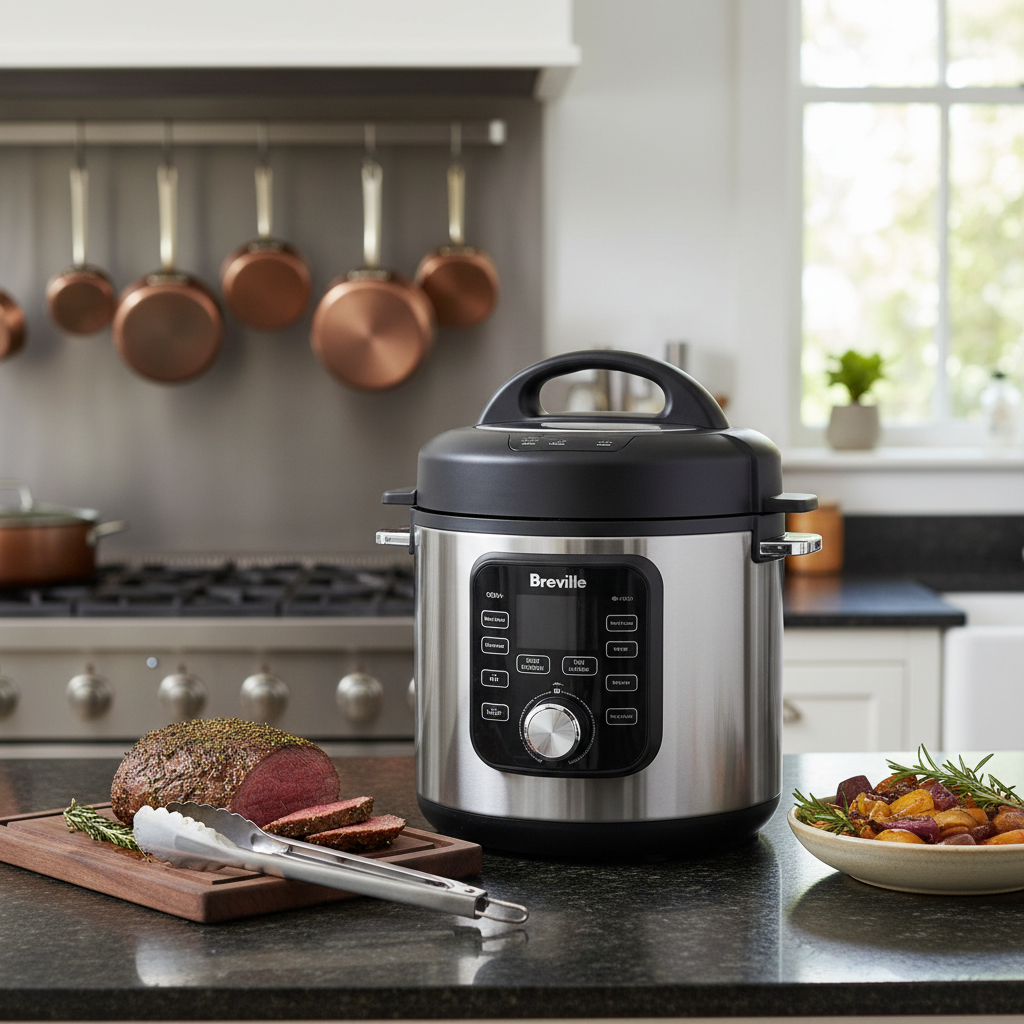
Stainless steel, with its sleek and modern appeal, is a favored material for everything from kitchen appliances to outdoor fixtures. Yet, its lustrous surface is also notorious for attracting fingerprints, smudges, and stubborn stains, diminishing its polished look. If your stainless steel exterior has lost its sparkle and accumulated grime, a deep clean is in order. This guide will walk you through the precise steps and effective strategies to restore your stainless steel to its pristine glory, ensuring it looks impeccable and lasts for years to come.
Understanding Your Stainless Steel Exterior
At its core, stainless steel is an iron alloy with a minimum of 10.5% chromium. This chromium reacts with oxygen to form a thin, invisible layer called the passive layer, which gives stainless steel its remarkable resistance to rust, corrosion, and staining. However, this protective layer isn’t invincible. Environmental factors, daily use, grease, food splatters, and even hard water can compromise its integrity, leading to dullness, water spots, fingerprints, and sometimes even minor rust. Understanding this unique composition is the first step toward proper cleaning and maintenance, preventing damage while preserving its aesthetic and functional qualities.
Essential Tools and Supplies for Deep Cleaning Stainless Steel
Gathering the right arsenal of cleaning tools and solutions is crucial for a successful and scratch-free deep clean. Using inappropriate materials can lead to permanent damage, dulling the finish or even causing unsightly scratches.
Here’s what you’ll need:
- Microfiber Cloths: These are your best friends for stainless steel. Their soft, non-abrasive fibers effectively lift dirt, absorb moisture, and polish surfaces without leaving streaks or lint.
- Spray Bottles: Ideal for applying homemade cleaning solutions evenly.
- Non-Abrasive Sponges or Soft-Bristle Brushes: Perfect for tackling tougher spots and reaching into textured areas without scratching the surface. Avoid anything abrasive like steel wool or harsh scouring pads.
- Mild Dish Soap: A few drops mixed with warm water create an excellent everyday cleaner for grease and general grime.
- White Vinegar: A natural disinfectant and powerful cleaner for water spots, light rust, and restoring shine. Dilute with water for general cleaning or use undiluted for stubborn spots, then rinse thoroughly.
- Baking Soda: When mixed with water or dish soap, it forms a gentle paste capable of removing baked-on food and heat discoloration. Use sparingly and with caution due to its mild abrasive nature.
- Rubbing Alcohol (Isopropyl Alcohol): Excellent for dissolving fingerprints, smudges, and oil-based marks, leaving a streak-free finish.
- Commercial Stainless Steel Cleaner & Polish: Opt for products specifically designed for stainless steel, such as Therapy Stainless Steel Cleaner and Polish, Bar Keepers Friend Soft Cleanser (avoid the powder version for appliances), or Weiman Stainless Steel Cleaner & Polish. Many combine cleaning and polishing in one step, offering added protection against future marks.
- Mineral Oil (Optional, for polishing): A very small amount can be used as a natural polishing agent to enhance shine, but use with extreme caution as overuse can attract dust and leave a greasy film.
Step-by-Step Guide to Deep Cleaning Your Stainless Steel Exterior
Deep cleaning stainless steel requires a methodical approach to ensure every type of grime is addressed without causing damage. Follow these steps for a truly gleaming finish:
Step 1: Prep the Surface
|
Our Picks for the Best Slow cooker in 2026
As an Amazon Associate I earn from qualifying purchases.
|
||
| Num | Product | Action |
|---|---|---|
| 1 | Ninja® 12-in-1 PossibleCooker™ PLUS | 8.5-qt - Sous Vide & Proof Multi-Cooker | Slow Cooker, Dutch Oven & More | Glass Lid & Integrated Spoon | Nonstick | Oven Safe Pot to 500°F | Black | MC1010 |

|
| 2 | Crock-Pot 7 Quart Oval Manual Slow Cooker, Stainless Steel (SCV700-S-BR), Versatile Cookware for Large Families or Entertaining |
|
| 3 | Crock-Pot 7-Quart Manual Slow Cooker, Family Size Serves 8+ People or Fits 6-lb Roast, Removable Stoneware with Warming Setting, Dishwasher Safe for Easy Cleanup, Charcoal |
|
| 4 | Crock-Pot Large 8-Quart Programmable Slow Cooker with Auto Warm Setting Black Stainless Steel |
|
| 5 | Crock-Pot 6 Quart Cook & Carry Programmable Slow Cooker with Digital Timer Stainless Steel (CPSCVC60LL-S) pack of 1 |
|
| 6 | Crock-pot Express Crock Slow Cooker 8 quart Red |
|
| 7 | Hamilton Beach 6-Quart Slow Cooker with 3 Cooking Settings, Dishwasher-Safe Stoneware Crock & Glass Lid, Silver (33665G) |
|
| 8 | Sweetcrispy 16-in-1 Electric Pressure Cooker 6QT, 12-Preset Multi Cookers with Ceramic Pot, Slow Cook Rice Steamer Sauté Soup Yogurt Maker and More, Recipe Book |
|
| 9 | Hamilton Beach Slow Cooker, Extra Large 10 Quart, Stay or Go Portable With Lid Lock, Dishwasher Safe Crock, Black (33195) |
|
| 10 | Instant Pot Duo 7-in-1 Electric Pressure Cooker, Slow Cooker, Rice, Steamer, Sauté, Yogurt Maker, Warmer & Sterilizer, Includes App With Over 800 Recipes, Stainless Steel, 6 Quart |
|
Before applying any cleaning solutions, gently wipe down the stainless steel surface with a dry microfiber cloth to remove any loose dust, crumbs, or light debris. This prevents scratching when you introduce liquids and scrubbing. If there are large food particles or sticky residues, carefully scrape them off with a plastic scraper or your fingernail before wiping.
Step 2: Tackle Everyday Grime with Mild Cleaner
For general dirt, grease, and fingerprints, a simple solution often works wonders. Mix a few drops of mild dish soap into warm water in a spray bottle. Lightly mist the entire stainless steel surface. Using a clean microfiber cloth, wipe with the grain of the stainless steel. The “grain” refers to the subtle lines in the metal; always wipe in the direction of these lines to prevent streaks and microscopic scratches that can trap dirt.
Step 3: Conquering Stubborn Stains
Different stains require different tactics. Approach these areas systematically:
- Water Spots and Light Rust: These are often caused by hard water. Spray white vinegar (diluted 1:1 with water for regular cleaning, or undiluted for tougher spots) directly onto the affected areas. Let it sit for a minute or two, allowing the acidity to break down the mineral deposits. Then, wipe vigorously with the grain using a clean microfiber cloth.
- Grease and Baked-On Food: For tougher grease or stubborn, baked-on food, create a paste using baking soda and a small amount of dish soap or water. Apply the paste to the stain and gently scrub with a non-abrasive sponge or a soft-bristle brush, always moving with the grain. The mild abrasive nature of baking soda helps lift the grime without scratching. For heavy-duty grease, a commercial heavy-duty stainless steel cleaner like Bar Keepers Friend Soft Cleanser can be highly effective.
- Fingerprints and Smudges: These are best handled with rubbing alcohol or a specialized stainless steel cleaner. Apply a small amount to a clean microfiber cloth and wipe with the grain until the smudges disappear.
Step 4: Rinse Thoroughly
After cleaning, it’s crucial to remove all traces of cleaning solution. Dampen a clean microfiber cloth with plain water and wipe down the entire stainless steel surface, again following the grain. This step ensures no residue is left behind, which could lead to streaking or a dull finish. Repeat if necessary until the surface feels clean and free of suds.
Step 5: Dry and Polish for a Flawless Finish
This is arguably the most critical step for achieving a streak-free, gleaming finish. Immediately after rinsing, use a separate, dry, clean microfiber cloth to thoroughly dry the entire surface. Do not let stainless steel air dry, as this almost guarantees water spots and streaks, especially with hard water. Once dry, you can apply a small amount of commercial stainless steel polish or a tiny dab of mineral oil (on a clean microfiber cloth) and buff lightly with the grain. This final step enhances the shine and can help repel future smudges.
“Many assume stainless steel is indestructible, but it’s the invisible passive layer that’s most vulnerable. Treat it with care, and it will reward you with enduring beauty.” – Alex Chen, Appliance Care Specialist
Common Mistakes to Avoid When Cleaning Stainless Steel
To ensure your stainless steel remains pristine, be aware of these common pitfalls:
- Using Abrasive Materials: Never use steel wool, abrasive scouring pads, stiff brushes, or harsh scrubbing sponges. These will scratch the surface, permanently damaging the passive layer and making it more susceptible to rust and dullness.
- Wiping Against the Grain: Always follow the direction of the visible grain. Wiping against it pushes dirt into the microscopic grooves and can create fine scratches and streaks.
- Letting it Air Dry: Air drying allows water droplets to evaporate unevenly, leaving behind unsightly water spots and streaks, particularly visible on polished surfaces. Always dry immediately.
- Using Harsh Chemicals: Avoid cleaners containing bleach, ammonia (like many glass cleaners), or oven cleaners. These chemicals can discolor, pit, and corrode the stainless steel, destroying its protective layer.
- Over-Applying Cleaner: More product does not mean better results. Excessive cleaner can leave behind a sticky residue that attracts dust and fingerprints, making the surface look worse. Use sparingly and wipe thoroughly.
- Using Dirty Cloths: Reusing a dirty cloth will only spread grime, grease, and streaks across the surface. Always use clean cloths for each stage of cleaning.
Maintaining the Luster: Tips for Long-Term Shine
Consistent maintenance is key to keeping your stainless steel exterior looking its best between deep cleans.
- Regular Routine Cleaning: For daily upkeep, a quick wipe-down with warm water and a microfiber cloth can prevent grime buildup. For slightly tougher daily marks, a dilute solution of dish soap and water works perfectly.
- Quick Wipe-Downs: Keep a clean, dry microfiber cloth handy for quick wipes to remove fingerprints and smudges as they appear. This prevents them from setting into more stubborn stains.
- Protective Coatings: Some specialized stainless steel polishes offer protective properties that can help repel fingerprints and smudges, extending the time between cleanings. Consider products with ceramic coatings for long-lasting protection.
- Preventative Measures: Wipe spills immediately. For outdoor stainless steel, consider regular rinsing with a garden hose to wash away salt or pollutants, especially in coastal areas.
Conclusion
Deep cleaning your stainless steel exterior doesn’t have to be a daunting task. By understanding the material, using the right tools and gentle solutions, and following a step-by-step approach, you can effectively remove even the toughest grime and restore its original brilliance. Remember the golden rules: wipe with the grain, avoid harsh abrasives and chemicals, and always dry immediately. With these practices, your stainless steel will not only look stunning but also retain its protective qualities, serving you beautifully for years to come. What’s your secret weapon for keeping stainless steel sparkling?
Frequently Asked Questions
Can I use olive oil to polish stainless steel?
While some people use olive oil for polishing, it should be applied very sparingly and buffed immediately with a clean microfiber cloth. Overuse can leave a greasy residue that attracts dust and fingerprints, so many experts recommend specialized stainless steel polishes for a truly streak-free and less-maintenance finish.
How often should I deep clean my stainless steel exterior?
The frequency depends on usage and exposure to dirt. For kitchen appliances, a deep clean every few weeks or months is usually sufficient, with regular daily or weekly wipe-downs. Outdoor stainless steel may require more frequent cleaning, especially if exposed to harsh weather or coastal air, potentially every month or quarter.
What should I do if my stainless steel has rust spots?
For light rust spots, a paste of baking soda and water or a solution of white vinegar can often remove them with gentle scrubbing. For more persistent rust, a commercial stainless steel cleaner specifically formulated for rust removal, such as Bar Keepers Friend Soft Cleanser, can be effective. Always test in an inconspicuous area first.