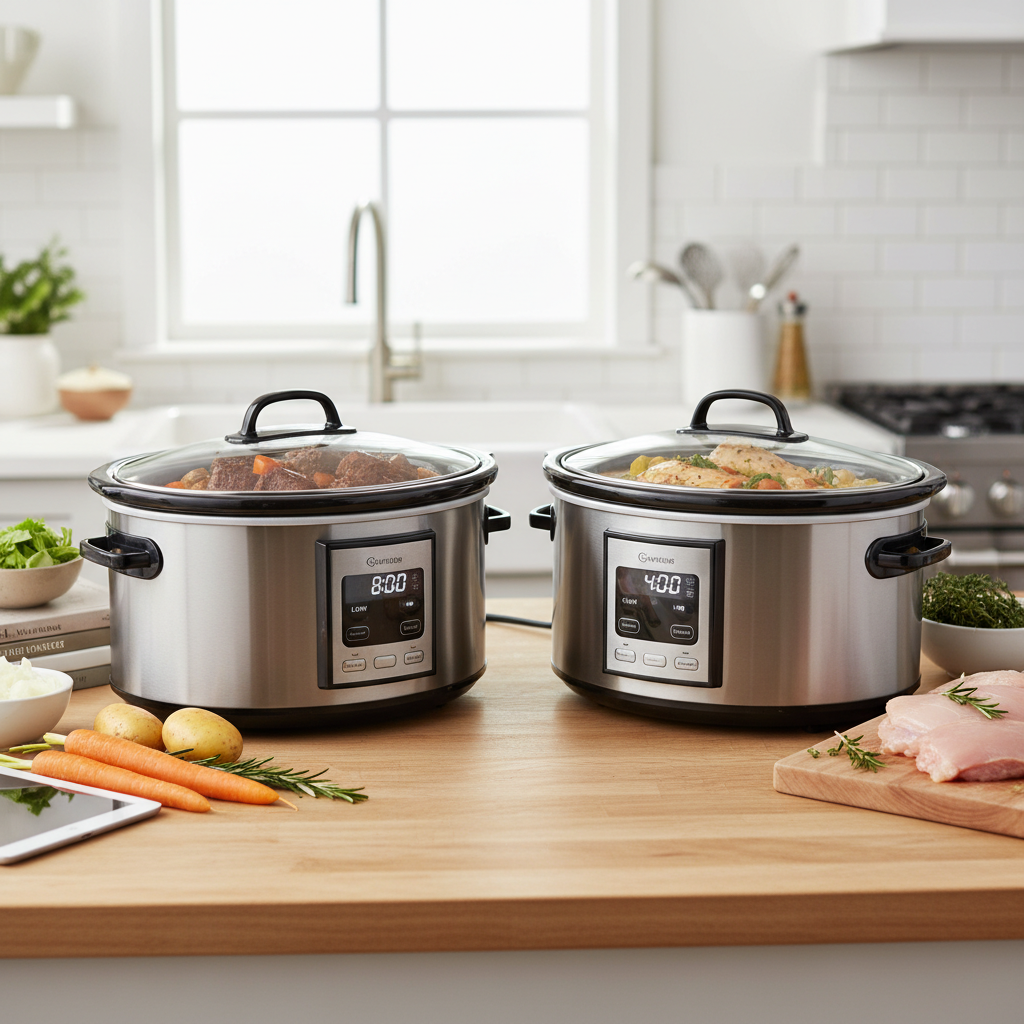
Are you tired of standing over a hot stove or constantly monitoring your oven, wishing there was an easier way to prepare your favorite meals? Imagine transforming those cherished oven-baked dishes into convenient, set-it-and-forget-it slow cooker masterpieces. While the concept of adapting recipes might seem daunting, converting your go-to oven preparations to slow cooker times is a practical skill that can revolutionize your kitchen routine, offering unparalleled ease and delicious results. This comprehensive guide will walk you through the essential conversions, ingredient adjustments, and expert tips to confidently adapt almost any oven recipe for your slow cooker.
Understanding Slow Cookers vs. Ovens: A Culinary Divide
Before diving into conversions, it’s crucial to understand the fundamental differences between slow cookers and conventional ovens. An oven cooks food using high, dry heat, promoting browning, crisping, and significant evaporation of liquids. Conversely, a slow cooker operates on a principle of “low and slow” heat, typically maintaining temperatures between 190°F (Low setting) and 300°F (High setting). Its tightly sealed lid traps steam, creating a moist cooking environment that is excellent for tenderizing tough cuts of meat and infusing flavors deeply into dishes. This difference in heat and moisture retention is the primary reason why direct time-for-time substitutions don’t work and why recipe adjustments are necessary.
The Essential Oven to Slow Cooker Time Conversion Chart
Converting cooking times from an oven to a slow cooker requires a general guideline, as the exact timing can vary based on your specific slow cooker model, the quantity of food, and the desired tenderness. However, a helpful chart provides an excellent starting point for adaptation:
| Traditional Oven / Stovetop Time | Slow Cooker (Low Setting: approx. 190-200°F) | Slow Cooker (High Setting: approx. 300°F) |
|---|---|---|
| 15-30 minutes | 4-6 hours | 1.5-2.5 hours |
| 35-45 minutes | 6-8 hours | 3-4 hours |
| 50 minutes – 3 hours | 8-12 hours | 4-6 hours |
Important Note: These are general guidelines. Always monitor your dish, especially when trying a new conversion. It’s better to cook for the minimum suggested time and then check for doneness, as you can always extend cooking, but you cannot reverse overcooking.
Beyond Time: Adapting Ingredients for Slow Cooker Success
Successful slow cooker conversion involves more than just adjusting cook times; it also requires mindful modifications to your ingredients and cooking methods.
Liquid Content is Key
One of the most critical adjustments is managing liquid. Because slow cookers trap steam and allow for minimal evaporation, recipes often require significantly less liquid than their oven counterparts.
- Reduce by Half: A good starting point is to reduce the liquid called for in the original recipe by about one-third to one-half. For many soups and stews, aiming for about 1/2 to 1 cup of liquid (such as broth, water, or wine) is often sufficient, as meats and vegetables will release their own juices during the long cooking process.
- Adding Liquid to Dry Recipes: If your original oven recipe doesn’t call for any liquid, add at least 1/2 cup of water or broth to the slow cooker to generate steam and prevent scorching.
- Thickening Excess Liquid: If your dish finishes with too much liquid, you can remove the lid, turn the slow cooker to high for the last hour or so to allow some evaporation, or transfer the liquid to a saucepan and simmer on the stovetop until reduced to your desired consistency. A clever “tea towel trick” involves placing a clean tea towel under the lid to absorb excess moisture.
|
Our Picks for the Best Slow cooker in 2026
As an Amazon Associate I earn from qualifying purchases.
|
||
| Num | Product | Action |
|---|---|---|
| 1 | Crock-pot Express Crock Slow Cooker 8 quart Red |

|
| 2 | Sweetcrispy 16-in-1 Electric Pressure Cooker 6QT, 12-Preset Multi Cookers with Ceramic Pot, Slow Cook Rice Steamer Sauté Soup Yogurt Maker and More, Recipe Book |
|
| 3 | Instant Pot Duo 7-in-1 Electric Pressure Cooker, Slow Cooker, Rice, Steamer, Sauté, Yogurt Maker, Warmer & Sterilizer, Includes App With Over 800 Recipes, Stainless Steel, 6 Quart |
|
| 4 | Hamilton Beach 6-Quart Slow Cooker with 3 Cooking Settings, Dishwasher-Safe Stoneware Crock & Glass Lid, Silver (33665G) |
|
| 5 | Ninja® 12-in-1 PossibleCooker™ PLUS | 8.5-qt - Sous Vide & Proof Multi-Cooker | Slow Cooker, Dutch Oven & More | Glass Lid & Integrated Spoon | Nonstick | Oven Safe Pot to 500°F | Black | MC1010 |
|
| 6 | Crock-Pot Large 8-Quart Programmable Slow Cooker with Auto Warm Setting Black Stainless Steel |
|
| 7 | Hamilton Beach Slow Cooker, Extra Large 10 Quart, Stay or Go Portable With Lid Lock, Dishwasher Safe Crock, Black (33195) |
|
| 8 | Crock-Pot 6 Quart Cook & Carry Programmable Slow Cooker with Digital Timer Stainless Steel (CPSCVC60LL-S) pack of 1 |
|
| 9 | Crock-Pot 7-Quart Manual Slow Cooker, Family Size Serves 8+ People or Fits 6-lb Roast, Removable Stoneware with Warming Setting, Dishwasher Safe for Easy Cleanup, Charcoal |
|
| 10 | Crock-Pot 7 Quart Oval Manual Slow Cooker, Stainless Steel (SCV700-S-BR), Versatile Cookware for Large Families or Entertaining |
|
Herbs, Spices, and Aromatics
The extended cooking time of a slow cooker can intensify some flavors and diminish others.
- Dried Herbs and Spices: Start with half the amount of dried herbs and strong spices (like cayenne pepper, chili powder, or garlic powder) specified in the original recipe. You can always taste and add more toward the end of cooking.
- Fresh Herbs: Delicate fresh herbs such as parsley, basil, or cilantro lose their vibrant flavor and color with prolonged cooking. Stir them in during the last 30 minutes or sprinkle them on top just before serving for maximum impact.
- Onions and Garlic: These aromatics can sometimes intensify in flavor in a slow cooker. Consider reducing their quantity or pre-sautéing them lightly before adding to mellow their pungency.
Dairy Products
Dairy products, like milk, cream, and cheese, can curdle or separate when subjected to long, high heat. To prevent this, add them towards the end of the cooking cycle, typically in the last 30 to 60 minutes.
Vegetables and Layering
How you prepare and layer your vegetables can impact their texture and doneness in a slow cooker.
- Chop Evenly: Ensure all vegetables are cut to a uniform size for even cooking.
- Layering: Place dense, harder root vegetables (carrots, potatoes, turnips, onions) at the bottom or along the sides of the slow cooker. These take longer to cook and benefit from direct heat. Softer vegetables (peas, corn, bell peppers, tomatoes, mushrooms) should be added later, during the last 30 to 60 minutes, to prevent them from becoming mushy.
Choosing Your Dish: Best Recipes for Slow Cooker Conversion
Not all oven recipes are created equal when it comes to slow cooker adaptation. The best candidates are those that thrive under long, moist, low-heat conditions.
- Stews, Soups, and Chili: These are natural fits, as the slow cooker’s gentle heat tenderizes ingredients and melds flavors beautifully.
- Roasts and Pulled Meats: Tougher, fattier cuts of meat like beef chuck, pork shoulder, chicken thighs, or lamb shanks become incredibly tender and flavorful. The slow cooker excels at breaking down connective tissues, resulting in fall-apart perfection.
- Braising Dishes: Any recipe that involves braising meat in liquid for several hours is an ideal candidate.
Searing Meats First: Even if the original recipe doesn’t call for it, searing meat in a hot pan before adding it to the slow cooker can significantly enhance the flavor profile. This browning creates a rich, savory depth that is difficult to achieve in the slow cooker alone.
What Not to Convert: Recipes to Keep in the Oven
While the slow cooker is versatile, some recipes are simply not well-suited for its unique cooking environment.
- Delicate Baked Goods: Most cakes, cookies, and quick breads rely on dry heat for structure and texture. While some slow cooker dessert recipes exist, attempting to convert traditional baked goods often results in dense, soggy, or unevenly cooked results.
- Lean Meats and Fish: Thin cuts of lean meat, such as chicken breast or certain fish fillets, can easily dry out and become tough due to the extended cooking times in a slow cooker.
- Crispy Textures: Dishes that require a crispy topping, like gratins or casseroles with breadcrumb crusts, will lose their desired texture in the moist slow cooker environment.
- Layered Dishes Needing Shape: While some slow cooker lasagnas exist, complex layered dishes that need to maintain their distinct structure, such as enchiladas or delicate casseroles, may become a uniform, mushy texture.
Expert Tips for Flawless Slow Cooker Meals
Achieving slow cooker perfection extends beyond just time and ingredient adjustments. Here are some invaluable tips to ensure consistently delicious results:
- Food Safety First: Avoid Frozen Meat: Never place frozen meat directly into a slow cooker. It takes too long for the meat to reach a safe temperature, allowing harmful bacteria to multiply in the “danger zone” (40°F to 140°F) for an unsafe period. Always thaw meat completely before slow cooking.
- Use a Meat Thermometer: For dishes containing meat, always use a meat thermometer to confirm it has reached the appropriate internal temperature for safe consumption.
- Resist the Urge to Peek: Lifting the lid releases accumulated heat and moisture, which can extend the cooking time by as much as 20-30 minutes each time. Keep the lid on to maintain consistent temperatures and ensure efficient cooking.
- Don’t Overfill: For optimal performance and even cooking, fill your slow cooker between half and two-thirds full. Overfilling can lead to uneven cooking and can prolong cooking times significantly.
- Learn Your Appliance: Every slow cooker heats slightly differently. Pay attention to how your specific model performs with various recipes. Your first few conversions might require a little more observation.
- Season at the End: It’s often best to add a final seasoning of salt and pepper, and perhaps a splash of fresh lemon juice or vinegar, just before serving. This brightens flavors that might have mellowed during the long cooking process.
Conclusion
Converting your favorite oven recipes to slow cooker meals unlocks a world of culinary convenience, allowing you to enjoy comforting, flavorful dishes with minimal hands-on effort. By understanding the core differences between oven and slow cooker cooking, utilizing a reliable time conversion chart, and mastering key ingredient adjustments for liquids, herbs, and dairy, you can confidently adapt a wide array of recipes. While not every recipe is a perfect fit, embracing the slow cooker’s strengths for stews, roasts, and braises will transform your meal prep. Experiment with these guidelines, trust your instincts, and soon you’ll be creating delicious, effortless slow cooker wonders that will delight your family and free up your precious time. Ready to transform your kitchen routine and explore the delicious possibilities?
Câu Hỏi Thường Gặp
Can I convert any oven recipe to a slow cooker?
While many recipes can be successfully converted, those that rely on low, moist heat (like stews, roasts, and soups) are the best candidates. Recipes needing a crispy texture, delicate baked goods, or very lean cuts of meat are generally less suitable for slow cooker conversion.
How much liquid should I use when converting an oven recipe?
Typically, you should reduce the liquid by one-third to one-half compared to the original oven recipe. Slow cookers trap steam, leading to minimal evaporation. If an oven recipe has no liquid, add about 1/2 cup of water or broth to your slow cooker.
What’s the difference between slow cooker “low” and “high” settings?
Both settings cook food to the same internal temperature, but “high” cooks faster, usually around 3-4 hours for a dish that would take 6-8 hours on “low.” The “low” setting operates at a lower temperature for a longer period, while “high” uses a higher temperature for a shorter duration.
Do I need to sear meat before slow cooking?
Searing meat before adding it to the slow cooker is highly recommended. It creates a rich, caramelized crust through the Maillard reaction, significantly enhancing the depth of flavor in your finished dish, which can be particularly beneficial for long-cooked meals.
When should I add dairy to a slow cooker recipe?
Dairy products like milk, cream, or cheese should be added during the last 30 to 60 minutes of cooking. Adding them too early can cause them to curdle or separate due to prolonged exposure to heat, negatively affecting the dish’s texture and appearance.
Is it safe to put frozen meat directly into a slow cooker?
No, it is not safe to put frozen meat directly into a slow cooker. The slow cooking process takes too long for frozen meat to reach a safe temperature, allowing bacteria to multiply to dangerous levels while the food remains in the temperature danger zone. Always thaw meat completely before cooking.