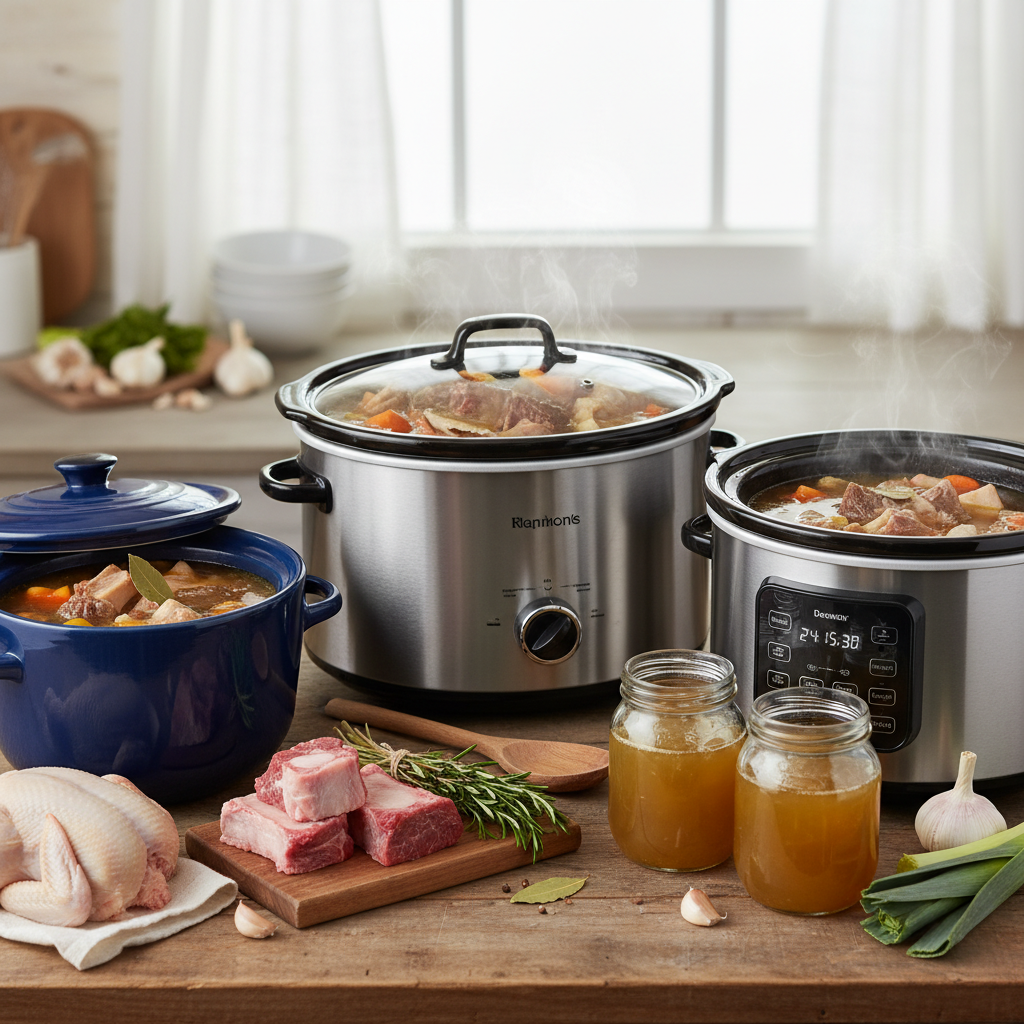
The gentle bubbling of a slow cooker, filling your home with the promise of a delicious meal, is one of life’s simple pleasures. This kitchen workhorse transforms humble ingredients into culinary masterpieces with minimal effort. But before you dive into the world of succulent stews and tender roasts, a crucial decision awaits: ceramic insert or metal pot? The choice of material for your slow cooker’s insert significantly impacts its performance, durability, and even the flavor of your food. Understanding the fundamental differences between these two popular options is key to selecting the slow cooker that truly aligns with your cooking style and priorities.
Understanding Slow Cooker Inserts: Ceramic vs. Metal
Slow cookers, often referred to as Crock-Pots (a popular brand name), are countertop electrical appliances that cook food at lower temperatures over an extended period. At the heart of every slow cooker is its removable insert, designed to hold your ingredients and distribute heat evenly. Traditionally, these inserts were made from heavy ceramic or stoneware, reflecting the appliance’s origins as a modern take on old-world crockery. Over time, advancements in cookware technology introduced metal inserts, primarily aluminum or stainless steel, offering a different set of advantages. Each material brings its unique characteristics to the table, influencing everything from cooking efficiency to ease of use.
The Enduring Appeal of Ceramic Slow Cooker Inserts
For many, the ceramic insert is synonymous with slow cooking. Its substantial weight and classic appearance evoke a sense of traditional, home-cooked goodness.
Advantages of Ceramic Inserts
|
Our Picks for the Best Slow cooker in 2026
As an Amazon Associate I earn from qualifying purchases.
|
||
| Num | Product | Action |
|---|---|---|
| 1 | Crock-Pot 7 Quart Oval Manual Slow Cooker, Stainless Steel (SCV700-S-BR), Versatile Cookware for Large Families or Entertaining |

|
| 2 | Hamilton Beach 6-Quart Slow Cooker with 3 Cooking Settings, Dishwasher-Safe Stoneware Crock & Glass Lid, Silver (33665G) |
|
| 3 | Crock-Pot 7-Quart Manual Slow Cooker, Family Size Serves 8+ People or Fits 6-lb Roast, Removable Stoneware with Warming Setting, Dishwasher Safe for Easy Cleanup, Charcoal |
|
| 4 | Crock-pot Express Crock Slow Cooker 8 quart Red |
|
| 5 | Crock-Pot 6 Quart Cook & Carry Programmable Slow Cooker with Digital Timer Stainless Steel (CPSCVC60LL-S) pack of 1 |
|
| 6 | Instant Pot Duo 7-in-1 Electric Pressure Cooker, Slow Cooker, Rice, Steamer, Sauté, Yogurt Maker, Warmer & Sterilizer, Includes App With Over 800 Recipes, Stainless Steel, 6 Quart |
|
| 7 | Sweetcrispy 16-in-1 Electric Pressure Cooker 6QT, 12-Preset Multi Cookers with Ceramic Pot, Slow Cook Rice Steamer Sauté Soup Yogurt Maker and More, Recipe Book |
|
| 8 | Crock-Pot Large 8-Quart Programmable Slow Cooker with Auto Warm Setting Black Stainless Steel |
|
| 9 | Ninja® 12-in-1 PossibleCooker™ PLUS | 8.5-qt - Sous Vide & Proof Multi-Cooker | Slow Cooker, Dutch Oven & More | Glass Lid & Integrated Spoon | Nonstick | Oven Safe Pot to 500°F | Black | MC1010 |
|
| 10 | Hamilton Beach Slow Cooker, Extra Large 10 Quart, Stay or Go Portable With Lid Lock, Dishwasher Safe Crock, Black (33195) |
|
Ceramic and stoneware inserts are celebrated for their exceptional thermal properties. They excel at superior heat retention and even cooking, slowly absorbing heat and distributing it uniformly throughout your dish. This consistent, gentle heat environment is ideal for tenderizing tougher cuts of meat and allowing flavors to meld beautifully over hours. Furthermore, the smooth, often glossy finish of ceramic inserts makes them aesthetically pleasing for serving. You can often take the entire pot from the slow cooker base straight to the dining table, simplifying cleanup and presentation. High-quality ceramic is also generally non-reactive with acidic ingredients like tomatoes or vinegar, preventing any metallic taste from developing in your food. Certain ceramic inserts are even oven-safe, offering the versatility to brown a cheese topping or crisp up poultry after the slow cooking process is complete.
Disadvantages of Ceramic Inserts
Despite their many benefits, ceramic inserts come with a few drawbacks. Their weight and fragility are often cited as primary concerns. The sheer heft can make them cumbersome to lift, especially when full, and they are susceptible to cracking or shattering if dropped. They can also suffer from thermal shock if exposed to extreme temperature changes too quickly, such as moving a hot pot directly into cold water. Unlike their metal counterparts, ceramic inserts are not designed for stovetop searing. Attempting to use them on a direct burner can lead to cracking or even explosion, meaning you’ll need an extra pan to brown ingredients before transferring them to the slow cooker. While modern ceramic inserts are largely considered safe, concerns about older glazes and micro-fissures have arisen. Some older models or those from unverified manufacturers might contain lead in their glazes. Over time, repeated heating and cooling can lead to microscopic cracks in the glaze, which could potentially allow food particles or even minute amounts of undesirable substances to leach into your meal, particularly with acidic foods.
The Modern Edge: Exploring Metal Pot Slow Cookers
Metal slow cooker inserts represent a shift towards greater convenience and versatility in modern kitchens. These inserts are typically made from aluminum, often with a non-stick coating, or more robust stainless steel.
Advantages of Metal Inserts (Aluminum & Stainless Steel)
One of the most significant advantages of metal inserts is their lightweight and durable construction. They are much easier to handle and clean compared to heavy ceramic, and less likely to break if accidentally dropped. Many metal inserts are stovetop-safe for searing and browning, which is a game-changer for flavor development. Imagine browning your meat and sautéing aromatics directly in the slow cooker pot on your stove before placing it back into the heating base. This “one-pot cooking” capability saves time, reduces dishwashing, and allows for deglazing to capture all those delicious browned bits, adding depth to your final dish. Metal inserts also tend to heat up faster than ceramic, which can be a minor convenience for busy cooks. Stainless steel, in particular, is lauded for its durability and non-reactive surface, often being described as a “surgical-grade” material that stands the test of time.
Disadvantages of Metal Inserts
While offering increased convenience, metal inserts have their own set of considerations. Non-stick coating concerns are paramount for aluminum inserts. While convenient for cleaning, these coatings can scratch and degrade over time, potentially exposing the underlying aluminum. There are ongoing debates about the safety of certain non-stick chemicals (like PTFE, PFOA, and PFAS) when coatings are damaged or overheated. Furthermore, the durability of these coatings can be an issue, as they may wear out faster than the slow cooker itself, especially with improper care or metal utensils. In terms of heat distribution and retention nuances, metal inserts, particularly thinner aluminum ones, may not hold heat as steadily or distribute it as evenly as thick ceramic. This could potentially lead to slightly different cooking times or hot spots, though modern designs often mitigate this. While excellent for stovetop searing, metal inserts may be less aesthetically pleasing for serving directly at the table compared to classic ceramic. Lastly, while stainless steel is generally safe, potential for aluminum leaching remains a concern for uncoated aluminum inserts, although many products address this with advanced coatings or by using stainless steel instead.
Ceramic vs. Metal: A Side-by-Side Comparison Table
To help you visualize the differences, here’s a quick comparison:
| Feature | Ceramic/Stoneware Insert | Metal (Aluminum/Stainless Steel) Insert |
|---|---|---|
| Material | Heavy, glazed clay | Lightweight aluminum (often coated) or stainless steel |
| Heat Distribution | Excellent, very even and consistent | Good, but can have minor hot spots with thinner metal |
| Heat Retention | Superior, keeps food warm for longer | Good, but generally not as long as ceramic |
| Durability | Prone to cracking/breaking from drops/thermal shock | Highly durable, less likely to break |
| Weight | Heavy and bulky | Lightweight and easy to handle |
| Stovetop/Oven Safety | Typically oven-safe (check manual); NOT stovetop safe | Often stovetop-safe for searing; typically oven-safe |
| Cleaning | Dishwasher safe, easy to clean, but heavy to lift | Dishwasher safe, lightweight, easy to clean |
| Cost | Widely available, often more budget-friendly options | Can be slightly more expensive, especially stainless steel |
| Best For | Traditional slow cooking, even heat, table serving | One-pot meals, searing, active cooks, durability |
Choosing Your Ideal Slow Cooker Insert: A Buying Guide
The “best” slow cooker insert isn’t universal; it depends entirely on your specific needs and cooking habits.
Consider your cooking style. Are you a “set-it-and-forget-it” type who values consistent, low-and-slow cooking above all else? A ceramic insert might be your perfect match. If you appreciate the convenience of browning ingredients directly in the slow cooker pot to build layers of flavor and minimize dirty dishes, a metal insert with stovetop-safe functionality will be a significant advantage.
Safety and health concerns play a crucial role. If you’re wary of non-stick coatings and their associated chemicals (like PTFE, PFOA, and PFAS), opt for an uncoated stainless steel insert or a ceramic one explicitly certified lead-free. Many modern ceramic inserts are designed to be non-toxic, but it’s always wise to verify.
Budget considerations also matter. While basic ceramic models can be very affordable, high-end stainless steel inserts might require a larger investment. However, their durability could make them a more cost-effective choice in the long run.
Think about your durability needs. If your kitchen is a high-traffic zone or you’re prone to accidental drops, the resilience of a metal insert might save you from frequent replacements. Conversely, if gentle handling is your norm, a ceramic insert will serve you well.
Finally, consider your cleaning preferences. Both types are typically dishwasher safe, but the weight of a ceramic pot can make it more challenging to maneuver in the sink or dishwasher compared to a lighter metal pot.
Beyond Ceramic and Metal: Other Insert Considerations
While ceramic and aluminum/stainless steel are the main contenders, it’s worth noting that stainless steel is increasingly recognized as a premium metal option. It combines many of the advantages of metal (durability, stovetop searing capability) with excellent safety credentials, as it’s non-reactive and typically free from chemical coatings. You may also encounter silicone liners, which are accessories designed to sit inside your existing slow cooker pot, offering easy cleanup and preventing food from sticking. These are typically used with ceramic inserts but are not a primary insert material themselves.
Conclusion
Choosing between ceramic and metal inserts for your slow cooker ultimately boils down to a personal preference shaped by your cooking habits, priorities, and lifestyle. Ceramic inserts, with their superior heat retention and classic appeal, are perfect for those who prioritize traditional, even slow cooking and don’t mind the extra weight or using a separate pan for searing. Metal inserts, especially modern stainless steel versions, offer unparalleled convenience through stovetop searing, lightweight durability, and faster heating. They are ideal for busy home cooks seeking a versatile, multi-functional appliance that streamlines their cooking process. Regardless of your choice, investing in a quality slow cooker will undoubtedly bring the joy of effortless, flavorful meals to your table for years to come. Which type of slow cooker insert do you think will best fit into your culinary routine?
Frequently Asked Questions
Are ceramic slow cooker inserts safe?
Yes, modern ceramic slow cooker inserts are generally considered safe. Reputable manufacturers produce lead-free ceramic glazes, and the FDA regulates acceptable lead levels. However, if you have an older slow cooker or one from an unknown brand, consider a lead testing kit or replacing it to ensure safety, especially if the glaze is cracked or chipped.
Can I sear meat in a metal slow cooker insert?
Many metal slow cooker inserts, particularly those made of aluminum or stainless steel, are designed to be stovetop-safe, allowing you to sear meats and sauté vegetables directly in the pot before slow cooking. This is a significant advantage for developing rich flavors and reduces the number of dishes you’ll need to wash. Always check your slow cooker’s manual to confirm stovetop compatibility.
Which is easier to clean, ceramic or metal?
Both ceramic and metal slow cooker inserts are typically dishwasher safe, making cleanup relatively easy. However, metal inserts are generally much lighter than ceramic ones, which can make them easier to handle and maneuver in the sink or dishwasher. The smooth, non-stick surfaces of both types usually prevent food from adhering too stubbornly.
Do metal slow cooker inserts cook faster than ceramic?
Metal inserts tend to heat up faster than ceramic ones due to their material properties. However, slow cooking is inherently about extended, low-temperature cooking, so the overall cooking time for a recipe might not drastically change. Ceramic inserts excel at retaining heat more consistently over long periods, which can be beneficial for very long cooking cycles.
What are the health concerns with aluminum slow cooker inserts?
Historically, there have been some concerns about aluminum leaching into food, especially with acidic ingredients. However, most modern aluminum slow cooker inserts are coated with a non-stick layer (often ceramic-based or PFOA/PTFE-free) to prevent direct contact between food and aluminum. If the non-stick coating becomes scratched or damaged, the potential for aluminum exposure increases. For those with concerns, stainless steel inserts offer a non-reactive, durable alternative.