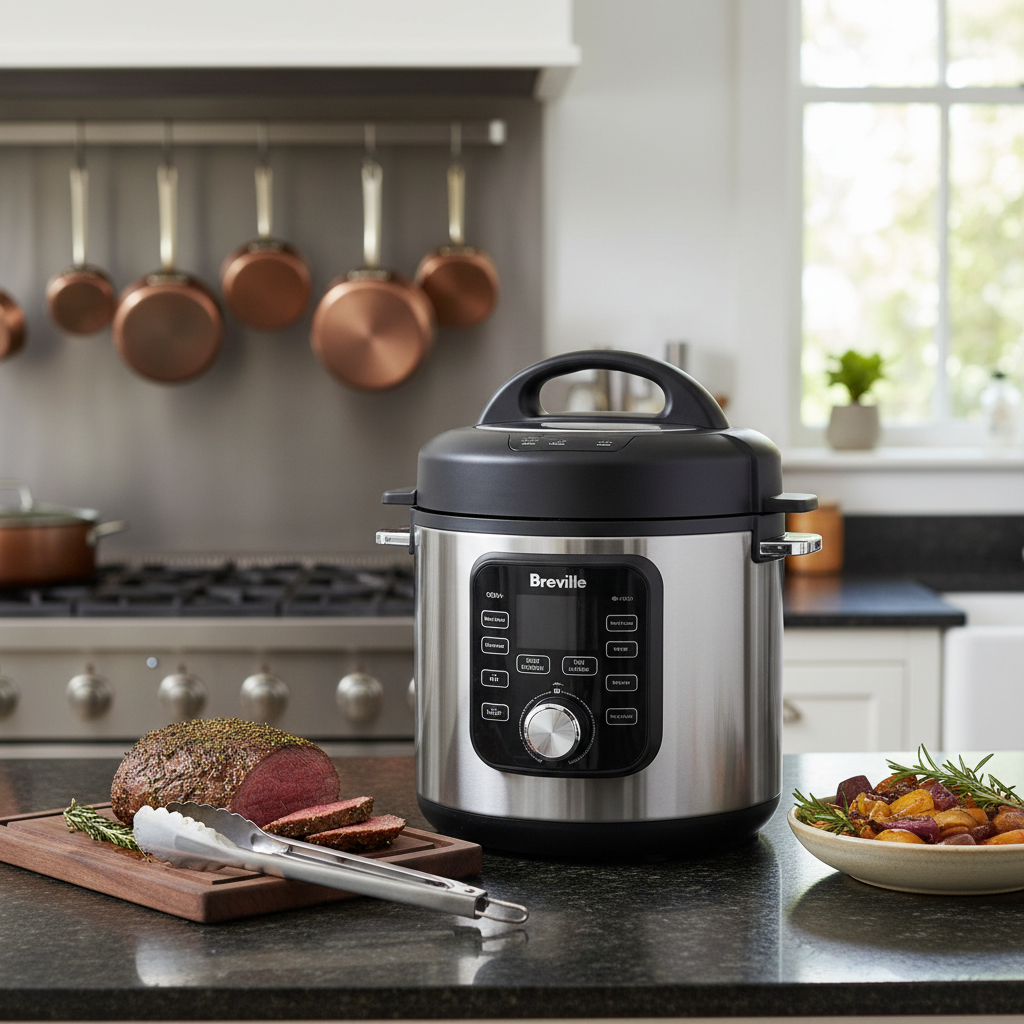
There’s nothing quite like the promise of a tender, fall-apart roast cooked low and slow in your crock pot. Yet, for many home cooks, this culinary dream often turns into a dry, tough reality. Have you ever sliced into your slow cooker masterpiece, only to find it drier than the desert? You’re not alone. Achieving that perfectly juicy roast requires understanding a few common pitfalls and knowing how to steer clear of them. Let’s uncover the secrets to consistently succulent slow cooker roasts.
Understanding the Science Behind Dry Roasts
To conquer dry roasts, it helps to understand what’s happening to the meat as it cooks. Meat is composed of muscle fibers, connective tissue (like collagen), and water. Slow cooking aims to break down the tough collagen into gelatin, which makes the meat tender and adds richness. However, if cooked too long or at too high a temperature, these muscle fibers contract excessively, squeezing out the precious internal moisture. This process, known as protein denaturation, is what ultimately leads to that frustratingly dry texture. The goal is to hit the sweet spot where collagen has melted, but the muscle fibers haven’t completely dehydrated.
Top Mistakes Leading to Dry Slow Cooker Roasts
Many factors contribute to a dry roast. Here are the most common missteps and why they sabotage your meal.
Overcooking: The #1 Culprit
Without a doubt, overcooking is the leading cause of dry slow cooker roasts. While “low and slow” suggests a forgiving cooking method, there’s a limit. Leaving your roast in the slow cooker for too long causes all the moisture to evaporate or be absorbed by vegetables, leaving the meat parched. Even in a pool of liquid, prolonged high heat or excessive cooking time will desiccate the meat.
- The Impact of Internal Temperature: Protein fibers begin to tighten around 170°F (76°C) and become unpleasantly dry around 185°F (85°C). For a tender, shreddable roast, an internal temperature between 190-205°F (88-96°C) is often ideal, but crossing that upper threshold for too long extracts too much moisture.
- Low vs. High Settings: While a low setting is generally recommended for slow cooking to allow collagen to break down slowly, some newer slow cookers can run hotter. Cooking on a high setting for an extended period can accelerate drying.
|
Our Picks for the Best Slow cooker in 2026
As an Amazon Associate I earn from qualifying purchases.
|
||
| Num | Product | Action |
|---|---|---|
| 1 | Crock-Pot 6 Quart Cook & Carry Programmable Slow Cooker with Digital Timer Stainless Steel (CPSCVC60LL-S) pack of 1 |

|
| 2 | Crock-Pot 7-Quart Manual Slow Cooker, Family Size Serves 8+ People or Fits 6-lb Roast, Removable Stoneware with Warming Setting, Dishwasher Safe for Easy Cleanup, Charcoal |
|
| 3 | Crock-pot Express Crock Slow Cooker 8 quart Red |
|
| 4 | Instant Pot Duo 7-in-1 Electric Pressure Cooker, Slow Cooker, Rice, Steamer, Sauté, Yogurt Maker, Warmer & Sterilizer, Includes App With Over 800 Recipes, Stainless Steel, 6 Quart |
|
| 5 | Hamilton Beach Slow Cooker, Extra Large 10 Quart, Stay or Go Portable With Lid Lock, Dishwasher Safe Crock, Black (33195) |
|
| 6 | Crock-Pot Large 8-Quart Programmable Slow Cooker with Auto Warm Setting Black Stainless Steel |
|
| 7 | Sweetcrispy 16-in-1 Electric Pressure Cooker 6QT, 12-Preset Multi Cookers with Ceramic Pot, Slow Cook Rice Steamer Sauté Soup Yogurt Maker and More, Recipe Book |
|
| 8 | Hamilton Beach 6-Quart Slow Cooker with 3 Cooking Settings, Dishwasher-Safe Stoneware Crock & Glass Lid, Silver (33665G) |
|
| 9 | Crock-Pot 7 Quart Oval Manual Slow Cooker, Stainless Steel (SCV700-S-BR), Versatile Cookware for Large Families or Entertaining |
|
| 10 | Ninja® 12-in-1 PossibleCooker™ PLUS | 8.5-qt - Sous Vide & Proof Multi-Cooker | Slow Cooker, Dutch Oven & More | Glass Lid & Integrated Spoon | Nonstick | Oven Safe Pot to 500°F | Black | MC1010 |
|
Insufficient Liquid: A Dry Environment
A dry slow cooker environment directly translates to a dry roast. Without enough broth, wine, or even water, your roast lacks the necessary moisture for proper braising. The liquid creates a moist, steamy environment that helps tenderize the meat and prevents surface drying.
- Recommended Liquid Amounts: While you don’t need to completely submerge the roast, ensure there’s enough liquid to cover at least one-third to half of the meat. A general rule is about 1-2 cups for an average-sized roast.
- Role of Vegetables: Vegetables like onions, carrots, and celery release their own moisture as they cook, contributing to the overall liquid content and flavor.
Frequent Lid Lifting: Releasing Precious Heat and Moisture
It’s tempting to peek, but every time you lift the lid of your slow cooker, you release a significant amount of heat and moisture. This not only extends the overall cooking time but also allows valuable steam to escape, which is crucial for a juicy roast. As Chef John Politte explains, “Avoid lifting the lid frequently; it releases heat and can extend the cooking time.”
Choosing the Wrong Cut of Meat: Lean vs. Fatty
Not all beef cuts are created equal for slow cooking. Leaner cuts, such as sirloin or round, contain less fat and connective tissue, making them prone to drying out quickly in a slow cooker.
- Best Cuts for Slow Cooking: Cuts with good marbling and plenty of connective tissue, like chuck roast, brisket, or short ribs, are ideal. The fat and collagen in these cuts render down beautifully, keeping the meat moist and adding incredible flavor. Chuck roast is often the top pick due to its fat content.
- Why Marbling Matters: The intramuscular fat (marbling) melts during the long cooking process, basting the meat from within and contributing to a tender, juicy result.
Skipping the Searing Step: Missing Out on Flavor and Moisture Retention
While searing doesn’t “seal in juices” in the literal sense, it’s a crucial step that enhances flavor through the Maillard reaction, creating a rich brown crust. This browning contributes a deeper, more complex taste to your final dish. Chef Politte advises, “Don’t skip searing the meat for a better flavor.” This step also adds “fond,” the browned bits left in the pan, which are essential for a flavorful gravy.
Inadequate Seasoning: More Than Just Flavor
While often overlooked, insufficient seasoning, particularly salt, can subtly contribute to a drier roast. Salt penetrates the meat, helping protein fibers retain moisture by loosening them, counteracting some of the tightening caused by heat. Proper seasoning isn’t just about taste; it plays a role in texture too.
Expert Tips for a Perfectly Juicy Slow Cooker Roast
Now that we’ve identified the culprits, let’s look at the solutions to guarantee a tender, juicy roast every time.
- Choose Wisely: Opt for cuts with good marbling, such as chuck roast or brisket. These cuts thrive in the slow cooker’s moist, low-heat environment.
- Sear for Success: Always sear your roast on all sides in a hot pan before placing it in the slow cooker. This builds incredible depth of flavor and a beautiful crust.
- Liquid is Your Friend (But Don’t Drown It): Ensure you add enough liquid—broth, wine, or even water—to cover at least half of the roast. This creates the necessary braising environment.
- Resist the Urge to Peek: Keep the lid on! Every lift allows heat and moisture to escape, prolonging cooking and risking dryness.
- Monitor Temperature, Not Just Time: Invest in a good meat thermometer. Aim for an internal temperature between 190–205°F (88–96°C) for a roast that’s tender enough to shred, but be mindful of extended periods above 185°F to prevent dryness.
- Cook Low and Slow: Stick to the “low” setting for most slow cooker roasts. This provides the gentle heat needed for collagen breakdown without overcooking the muscle fibers.
- Add Fats for Extra Juiciness: If you’re using a leaner cut or want an extra boost of moisture, consider adding a tablespoon of butter or a drizzle of olive oil.
- Rest Your Roast: Once cooked, remove the roast from the slow cooker and let it rest for 10-15 minutes before shredding or slicing. This allows the juices to redistribute, leading to a more tender and flavorful result.
“To prevent a dry pot roast in the future, make sure you’ve got enough liquid in the pot, and don’t overcook it.” – Chef John Politte, Spice Expert and Food Entrepreneur
Conclusion
Achieving a perfectly juicy slow cooker roast doesn’t have to be a mystery. By understanding the common mistakes—like overcooking, insufficient liquid, and frequent lid-lifting—and applying a few expert tips, you can consistently create succulent, fork-tender meals that delight your family and friends. Embrace the “low and slow” philosophy, trust your thermometer, and enjoy the effortless deliciousness that your slow cooker can deliver. What’s your favorite secret for a tender slow cooker roast?
Câu Hỏi Thường Gặp
How can I rescue an already dry slow cooker roast?
If your roast is already dry, don’t despair! Slice it thinly or shred it, then gently reheat it submerged in warm beef broth, gravy, or a mixture of red wine and Worcestershire sauce on the stovetop or back in the slow cooker on low for 20-30 minutes. Adding a pat of butter or a drizzle of olive oil can also help restore some moisture and flavor.
What is the ideal internal temperature for a slow cooker roast?
For a tender, shreddable roast, aim for an internal temperature between 190–205°F (88–96°C). At this range, the tough connective tissues will have broken down, resulting in a melt-in-your-mouth texture. Always use a reliable meat thermometer for accuracy.
Should I brown my roast before slow cooking?
Yes, searing your roast in a hot pan before adding it to the slow cooker is highly recommended. This step creates a rich, caramelized crust through the Maillard reaction, which significantly enhances the flavor of your finished dish, contributing to a more appealing taste and aroma.
How much liquid should I add to my slow cooker roast?
As a general guideline, add enough liquid (such as beef broth, water, or wine) to cover at least one-third to half of the roast. This ensures a moist braising environment, which is crucial for preventing dryness and tenderizing the meat effectively during the long cooking process.
Can a slow cooker roast be both tough and dry?
Yes, a slow cooker roast can indeed be both tough and dry. This often happens if the meat is undercooked (collagen hasn’t broken down, making it tough) and simultaneously overcooked (muscle fibers have contracted and expelled moisture, making it dry). The wrong cut of meat or inconsistent heat can also contribute to this frustrating outcome.