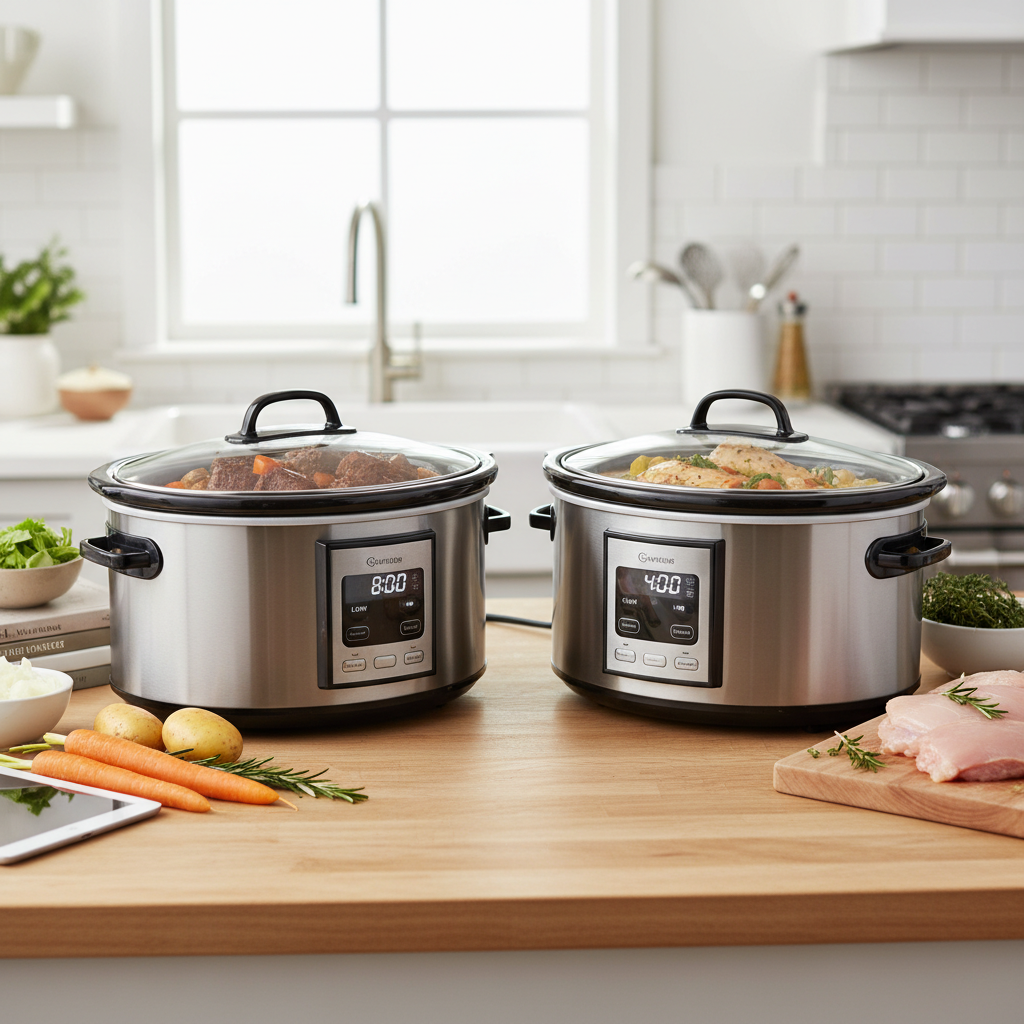
You’ve likely invested in a slow cooker for its promise of effortless, tender meals. Just toss everything in, set it, and come home to a delicious dinner, right? While that convenience is undeniable, there’s one simple preparatory step that can elevate your slow-cooked dishes from good to extraordinary: searing your meat beforehand. This often-debated technique, while adding a few extra minutes to your prep, unlocks a world of rich flavors and appealing textures that truly transforms your culinary creations. Let’s delve into why this quick sear is worth every moment, and how it can revolutionize your slow cooking experience.
General Overview of Slow Cookers and the Role of Searing
Slow cookers, often called Crock-Pots, are kitchen staples renowned for their ability to cook food at low temperatures over extended periods. This “low and slow” method is perfect for tenderizing tougher cuts of meat and blending flavors seamlessly. The moist, consistent heat environment ensures ingredients break down beautifully, resulting in succulent dishes that practically fall apart. Historically, slow cooking has been a cornerstone of hearty, home-style meals, evolving from traditional stews to modern conveniences.
However, the slow cooker’s gentle, moist heat, while excellent for tenderness, isn’t conducive to browning. This is where searing steps in. Searing is a high-heat cooking technique performed before the slow cooking process begins, typically in a skillet on the stovetop. It creates a dark, flavorful crust on the meat’s surface, a crucial element that cannot be developed within the slow cooker itself. This initial browning primes your ingredients, setting the stage for a more complex and satisfying meal once they enter the slow cooker. Modern slow cookers, especially multi-cookers, sometimes include a sear function, bridging this gap and offering a more integrated cooking process.
The Undeniable Benefits of Searing Meat Before Slow Cooking
While it might seem like an extra step, searing meat before it goes into your slow cooker offers a multitude of benefits that profoundly impact the final dish. It’s an investment in flavor, texture, and overall culinary excellence.
Unlocking Unrivaled Flavor: The Maillard Reaction
|
Our Picks for the Best Slow cooker in 2026
As an Amazon Associate I earn from qualifying purchases.
|
||
| Num | Product | Action |
|---|---|---|
| 1 | Hamilton Beach 6-Quart Slow Cooker with 3 Cooking Settings, Dishwasher-Safe Stoneware Crock & Glass Lid, Silver (33665G) |

|
| 2 | Instant Pot Duo 7-in-1 Electric Pressure Cooker, Slow Cooker, Rice, Steamer, Sauté, Yogurt Maker, Warmer & Sterilizer, Includes App With Over 800 Recipes, Stainless Steel, 6 Quart |
|
| 3 | Crock-Pot Large 8-Quart Programmable Slow Cooker with Auto Warm Setting Black Stainless Steel |
|
| 4 | Crock-pot Express Crock Slow Cooker 8 quart Red |
|
| 5 | Crock-Pot 7 Quart Oval Manual Slow Cooker, Stainless Steel (SCV700-S-BR), Versatile Cookware for Large Families or Entertaining |
|
| 6 | Sweetcrispy 16-in-1 Electric Pressure Cooker 6QT, 12-Preset Multi Cookers with Ceramic Pot, Slow Cook Rice Steamer Sauté Soup Yogurt Maker and More, Recipe Book |
|
| 7 | Crock-Pot 7-Quart Manual Slow Cooker, Family Size Serves 8+ People or Fits 6-lb Roast, Removable Stoneware with Warming Setting, Dishwasher Safe for Easy Cleanup, Charcoal |
|
| 8 | Hamilton Beach Slow Cooker, Extra Large 10 Quart, Stay or Go Portable With Lid Lock, Dishwasher Safe Crock, Black (33195) |
|
| 9 | Ninja® 12-in-1 PossibleCooker™ PLUS | 8.5-qt - Sous Vide & Proof Multi-Cooker | Slow Cooker, Dutch Oven & More | Glass Lid & Integrated Spoon | Nonstick | Oven Safe Pot to 500°F | Black | MC1010 |
|
| 10 | Crock-Pot 6 Quart Cook & Carry Programmable Slow Cooker with Digital Timer Stainless Steel (CPSCVC60LL-S) pack of 1 |
|
The single most important reason to sear meat is to trigger the Maillard reaction. This complex chemical process occurs when amino acids and reducing sugars in the meat react under high, dry heat, creating hundreds of new flavor compounds. These compounds are responsible for the rich, savory, umami notes and appetizing aroma we associate with browned foods. Without searing, your meat essentially “boils” in the slow cooker, resulting in a less vibrant, flatter taste. Searing caramelizes the exterior, building a deep, rich umami that permeates the entire dish.
“Searing is your insurance policy for richness — especially in braised dishes, chili, or any long cook.” – Mike Saperstein, Owner & Head of Culinary Operations at Sunshine Provisions
Enhancing Texture and Visual Appeal
Slow-cooked meats are prized for their melt-in-your-mouth tenderness. However, without a pre-sear, this can sometimes lead to a uniformly soft, almost mushy texture. Searing provides a crucial contrast by creating a slightly crusty, firm exterior. This textural difference adds depth and prevents the meat from becoming one-dimensional. Beyond texture, searing transforms the meat’s appearance from an unappetizing grey to a beautiful, golden brown, making your finished meal far more appealing to the eye.
Building a Deeper Flavor Base
When you sear meat in a hot pan, savory brown bits, known as “fond,” develop on the bottom of the skillet. These concentrated flavor particles are pure gold. By deglazing the pan with a splash of broth, wine, or water after searing, you can scrape up these flavorful bits and add them directly to your slow cooker. This process integrates those intense caramelized flavors into your braising liquid, creating a more robust and complex sauce or gravy that enhances every bite.
Managing Excess Fat
For certain cuts of meat, especially ground beef, searing offers the practical benefit of reducing excess fat. Browning ground meat on the stovetop allows you to drain off rendered fat before adding it to the slow cooker. This prevents your final dish from being overly greasy and can contribute to a lighter, cleaner flavor profile.
Dispelling the “Locking in Juices” Myth
It’s a common misconception that searing “locks in” juices. In reality, applying high heat causes muscle fibers to contract and release moisture. The primary benefit of searing is flavor development, not moisture retention. While a well-seared crust can help create a barrier, the succulent tenderness of slow-cooked meat comes from the long, gentle cooking process itself, not from the initial sear sealing in moisture.
Optimizing Your Slow Cooker Experience: Searing vs. No Searing
The decision to sear or not to sear often comes down to a balance between convenience and culinary impact. Understanding the trade-offs can help you decide what’s best for your meal and your schedule.
| Feature | Searing Before Slow Cooking | Skipping Searing |
|---|---|---|
| Flavor Profile | Deep, rich, complex, umami, caramelized notes | Milder, less nuanced, can be “flat” |
| Texture | Tender meat with a desirable, slightly crusty exterior | Uniformly soft, potentially mushy texture |
| Appearance | Appetizing golden-brown, visually appealing | Grey, less vibrant, boiled appearance |
| Time/Effort | Requires an extra 10-15 minutes and an additional pan | Saves time, single-pot method (if using compatible cooker) |
| Maillard Reaction | Achieved, creating new flavor compounds | Not achieved, resulting in less developed flavors |
| Deglazing Benefit | Captures fond, adding depth to sauces | No fond created, simpler sauce base |
| Best For | Roasts, stews, chili, braises, dishes where meat is central | Quick weeknight meals, highly seasoned dishes |
For those who prioritize maximum flavor and texture, the extra step of searing is undeniably worth the effort. It creates a foundational layer of flavor that permeates the entire dish, transforming a simple slow-cooked meal into a gourmet experience.
Choosing a Slow Cooker to Complement Your Culinary Style
When selecting a slow cooker, consider how you intend to use it, especially if searing meat is a priority. Different types offer varying levels of convenience and functionality to support your cooking habits.
Identifying Your Needs
- Serving Size: Determine the appropriate capacity based on your household size. A 3-quart model might be perfect for individuals or couples, while a 6-quart or larger slow cooker is ideal for families or entertaining.
- Meal Types: Think about the kinds of dishes you’ll prepare most often. While all slow cookers handle stews and roasts, specific features might enhance your versatility.
Essential Features to Consider
- Stovetop-Safe Inserts: Some slow cookers come with ceramic or metal inserts that are safe to use directly on your stovetop. This allows you to sear meat and then transfer the insert directly to the slow cooker base, eliminating the need for an extra pan and ensuring all those delicious fond bits are retained.
- Multi-Cooker with Sear/Sauté Function: Modern multi-cookers often combine slow cooking with pressure cooking, searing, and sautéing capabilities. These appliances are incredibly convenient as they allow you to sear, deglaze, and slow cook all in one pot, streamlining your workflow and cleanup.
- Programmable Settings: Look for models with programmable timers and automatic keep-warm functions. These features offer greater flexibility, allowing you to set specific cooking durations and ensuring your meal is perfectly cooked and ready when you are.
- Material: Most slow cooker inserts are ceramic or stoneware, excellent for even heat distribution. If you want stovetop searing, ensure the insert material is explicitly stated as stovetop-safe.
Reputable Brands and Warranty
Opt for brands known for their reliability and quality in kitchen appliances. Check customer reviews and research warranty policies, as a good warranty indicates a manufacturer’s confidence in their product. Investing in a quality slow cooker, especially one with searing capabilities, ensures durability and consistent performance for years to come.
Recommended Slow Cookers for Enhanced Flavor Development
Choosing the right slow cooker can significantly impact your cooking experience, especially when you value the depth of flavor that comes from searing. Here are types of slow cookers that excel in integrating searing into your meal preparation:
- Slow Cookers with Stovetop-Safe Inserts: These models feature a crock that can be removed from the heating base and placed directly on your stovetop burner. This design allows you to sear your meat, sauté aromatics, and deglaze the pan all in one vessel before transferring it back to the slow cooker base. Look for models with durable, non-stick, or cast-iron inserts.
- Multi-Cookers with Searing/Sautéing Functions: Modern multi-cookers often combine several kitchen appliances into one, including slow cooking, pressure cooking, and a dedicated “sear” or “sauté” mode. These are incredibly versatile, enabling you to execute every step of your recipe—from browning to simmering—in a single pot, minimizing cleanup and maximizing flavor transfer.
- Traditional Slow Cookers (Paired with a Cast Iron Skillet): While basic slow cookers don’t offer integrated searing, they remain excellent for the “low and slow” cooking phase. Pairing a reliable, traditional slow cooker with a high-quality cast iron skillet for searing provides exceptional results. This combination offers precise control over the browning process, ensuring a perfect Maillard reaction every time, even if it requires an extra piece of cookware.
When considering a slow cooker, look for robust construction, easy-to-clean materials, and intuitive controls. Features like programmable timers and automatic keep-warm settings are universally beneficial, ensuring convenience alongside exceptional culinary results.
Mastering Your Slow Cooker: Searing Techniques and Care
Incorporating searing into your slow cooking routine is a straightforward process that yields remarkable results. A few simple techniques and proper care will ensure you consistently achieve deeply flavorful dishes.
Essential Searing Techniques
- Pat the Meat Dry: Moisture is the enemy of a good sear. Thoroughly pat your meat dry with paper towels before placing it in the pan. This allows the surface to reach the high temperatures necessary for the Maillard reaction, rather than steaming.
- Heat the Pan Properly: Use a heavy-bottomed skillet, such as cast iron or stainless steel, and heat it over medium-high to high heat until it’s very hot, almost smoking. Add a high smoke point oil (like canola, grapeseed, or avocado oil) just before adding the meat.
- Don’t Overcrowd the Pan: Sear meat in batches to avoid lowering the pan’s temperature. Overcrowding will cause the meat to steam rather than brown, preventing the Maillard reaction.
- Resist the Urge to Move: Once the meat is in the hot pan, leave it undisturbed for a few minutes until a deep brown crust forms. Flip and repeat on all sides. Aim for a rich brown color, not black or burnt.
- Deglaze for Maximum Flavor: After searing all the meat, remove it from the pan. Add a splash of liquid (broth, wine, water) to the hot pan and scrape up all the browned bits (fond) from the bottom. Pour this flavorful liquid, along with the seared meat, into your slow cooker.
General Slow Cooker Usage Tips
- Resist Lifting the Lid: Each time you lift the slow cooker lid, you release a significant amount of heat, adding approximately 20-30 minutes to the cooking time.
- Liquid Levels: Slow cookers retain moisture exceptionally well, so you often need less liquid than traditional stovetop recipes. Aim for liquids to cover about half to two-thirds of your ingredients.
- Ingredient Prep: Cut vegetables into uniform sizes to ensure even cooking. Add delicate ingredients later in the cooking process to prevent them from becoming mushy.
Cleaning and Maintenance
- Cool Down First: Always allow the slow cooker insert to cool completely before washing, especially if it’s ceramic, to prevent thermal shock and cracking.
- Soak if Needed: For stubborn stuck-on food, fill the insert with warm, soapy water and let it soak for an hour or two before scrubbing.
- Gentle Cleaning: Use non-abrasive sponges or cloths to protect the insert’s surface. Most ceramic inserts are dishwasher safe, but always check your manufacturer’s instructions.
- Exterior Care: Wipe down the exterior of the slow cooker base with a damp cloth; never immerse it in water.
By following these simple steps, you’ll not only enhance the flavor and texture of your slow-cooked meals through effective searing but also ensure your slow cooker remains a reliable and long-lasting kitchen companion.
Conclusion
Embracing the simple act of searing meat before it enters your slow cooker is one of the most impactful changes you can make to your home cooking. While the slow cooker excels at tenderizing and melding flavors, it’s the high, dry heat of searing that unlocks a depth of rich, savory notes and appealing textures through the Maillard reaction. This crucial preparatory step transforms everyday meals into extraordinary culinary experiences, elevating your stews, roasts, and braises with complex flavors and an irresistible browned finish.
So, the next time you reach for your slow cooker, consider taking those extra few minutes to sear your meat. You’ll discover a world of difference in taste and presentation that makes every bite truly unforgettable. What delicious slow-cooked masterpiece will you elevate with a perfect sear this week?
Frequently Asked Questions
Is searing meat before slow cooking absolutely necessary for a good meal?
While not strictly necessary for the meat to be cooked through, searing is highly recommended for optimal flavor, color, and texture. It introduces complex, savory notes from the Maillard reaction that slow cooking alone cannot achieve.
What is the Maillard reaction, and why is it important for seared meat?
The Maillard reaction is a chemical process between amino acids and sugars in food, triggered by high, dry heat. It creates hundreds of new flavor compounds, responsible for the deep, rich, umami taste and browned color characteristic of seared meat.
Does searing meat “lock in juices” during slow cooking?
No, the idea that searing locks in juices is a common myth. While it creates a crust, the primary benefit of searing is flavor development through the Maillard reaction, not moisture retention. Tenderness in slow cooking comes from the long, gentle cooking process itself.
What’s the best way to sear meat for a slow cooker?
Pat the meat very dry, heat a heavy-bottomed skillet with a high smoke point oil over medium-high heat until very hot. Sear meat in batches to avoid overcrowding, allowing a deep brown crust to form on all sides before deglazing the pan and adding the meat and fond to the slow cooker.
Can I sear meat directly in my slow cooker?
Some modern slow cookers, particularly multi-cookers, include a “sear” or “sauté” function, or come with stovetop-safe inserts, allowing you to sear meat in the same pot. If your slow cooker lacks this feature, use a separate skillet for searing.
What types of meat benefit most from searing before slow cooking?
Tougher cuts of meat with strong connective tissues like chuck roast, short ribs, beef shank, oxtail, and pork shoulder or blade chops greatly benefit from searing. Skin-on, bone-in chicken thighs also see significant flavor enhancement.
Does flouring meat before searing help with slow cooking?
Flouring meat before searing is often done to thicken sauces. However, experts note that flour tends to brown faster than the meat itself, potentially hindering the full Maillard reaction on the meat and resulting in a less intense meat flavor.